Bitcoin
  Ethereum
  Tether
  BNB
BNB  XRP
XRP  USDC
USDC  Solana
  TRON
TRON  Lido Staked Ether
  Figure Heloc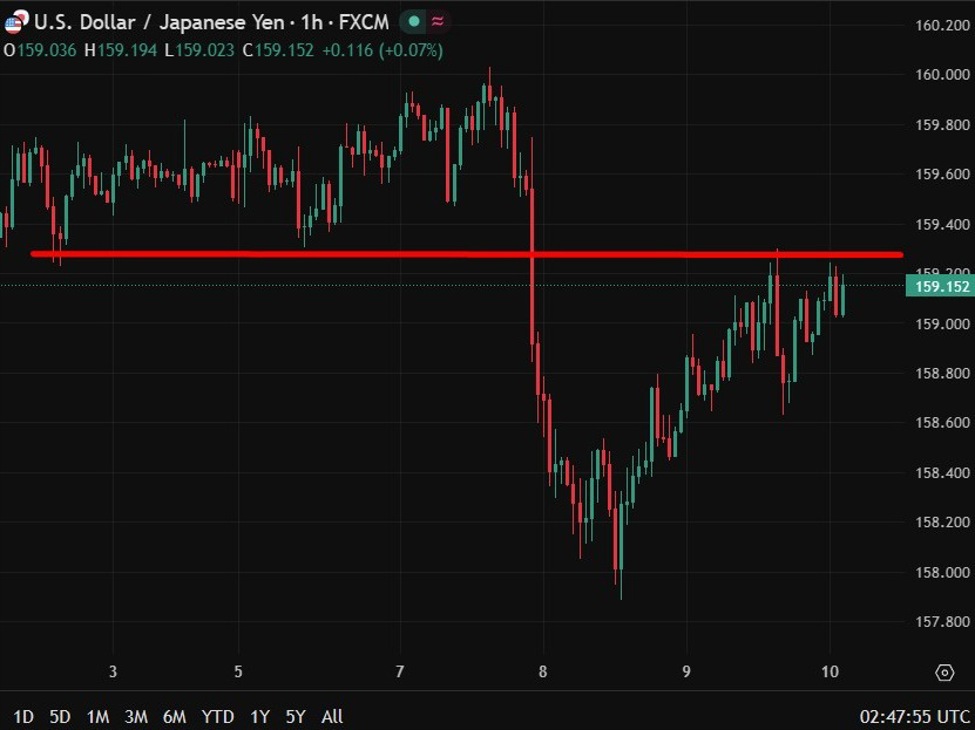
Japan’s wholesale inflation surge highlights rising cost pressures, with the BoJ warning of potential stagflation risks amid the Iran-driven energy shock.Summary:Japan wholesale inflation (CGPI) rises 2.6% y/y, above expectations
Input costs surge, with import prices jumping 7.9% y/y
Broad-based price pressures driven by oil, metals, chemicals
BOJ flags vigilance on stagflation risk but says Japan not there yet
Markets price ~60% chance of rate hike at April meeting
Iran war complicates policy: higher inflation vs weaker growth
Consumer confidence deteriorating sharply, adding downside risk
Japan’s wholesale inflation accelerated in March, reinforcing signs that cost pressures are broadening across the economy and sharpening the policy challenge for the Bank of Japan as it weighs its next move.The corporate goods price index rose 2.6% year-on-year, exceeding expectations and picking up from the prior month, while monthly price growth also strengthened. The data points to a widening pass-through of higher input costs, with firms raising prices across sectors including machinery and food as energy, metals and chemical costs climb. A key driver has been the sharp rise in import prices, which surged nearly 8% year-on-year. This reflects the impact of the Iran conflict on global energy markets, with oil prices rising significantly amid disruption to flows through the Strait of Hormuz. For Japan, which remains heavily dependent on imported fuel, the shock is feeding quickly into upstream pricing.Financial markets have responded by pushing yields higher, with shorter-dated government bond yields hitting record levels. Rate expectations have also shifted, with investors now assigning a meaningful probability to a near-term policy tightening.However, the policy outlook is far from straightforward. Bank of Japan Deputy Governor Ryozo Himino stressed that the economy is not currently in stagflation, noting that inflation remains around target and growth is still holding above potential. Nevertheless, he acknowledged that a prolonged conflict could create a difficult trade-off, with rising inflation coinciding with weakening economic activity.This dilemma is already beginning to take shape. While price pressures are building, consumer sentiment has deteriorated sharply, reflecting the strain of higher fuel costs on households. This suggests that the inflation impulse is being driven more by external shocks than by strong domestic demand.For the BoJ, the path forward hinges on how persistent the current shock proves to be. A temporary spike in costs may not warrant aggressive tightening, but a sustained period of elevated energy prices could push inflation higher while eroding growth—forcing a more complex policy response.In short, Japan is not yet in stagflation, but the risks are rising, and the central bank is increasingly navigating a narrow path between inflation control and economic support.
This article was written by Eamonn Sheridan at investinglive.com.
💡 DMK Insight
Japan’s wholesale inflation hitting 2.6% y/y is a wake-up call for traders: rising costs could signal stagflation risks. With input costs surging, particularly a 7.9% jump in import prices, traders need to consider how this affects the broader market. The Bank of Japan’s (BoJ) warning about potential stagflation is particularly concerning, as it could lead to tighter monetary policy, which typically weighs on equities and strengthens the yen. Keep an eye on commodity prices, especially oil and metals, as they’re driving these inflationary pressures. If these trends continue, we might see a shift in investor sentiment, favoring safe-haven assets over riskier equities. On the flip side, if the BoJ maintains its accommodative stance despite rising inflation, it could lead to a weaker yen and boost export-driven stocks. Traders should monitor the USD/JPY pair closely, especially around key psychological levels. Watch for any comments from the BoJ in upcoming meetings, as they could provide further clarity on their inflation outlook and policy direction.
📮 Takeaway
Watch the USD/JPY closely; if inflation pressures persist, a shift in BoJ policy could impact currency and equity markets significantly.