Bitcoin
  Ethereum
  Tether
  BNB
BNB  XRP
XRP  USDC
USDC  Solana
  TRON
TRON  Lido Staked Ether
  Figure Heloc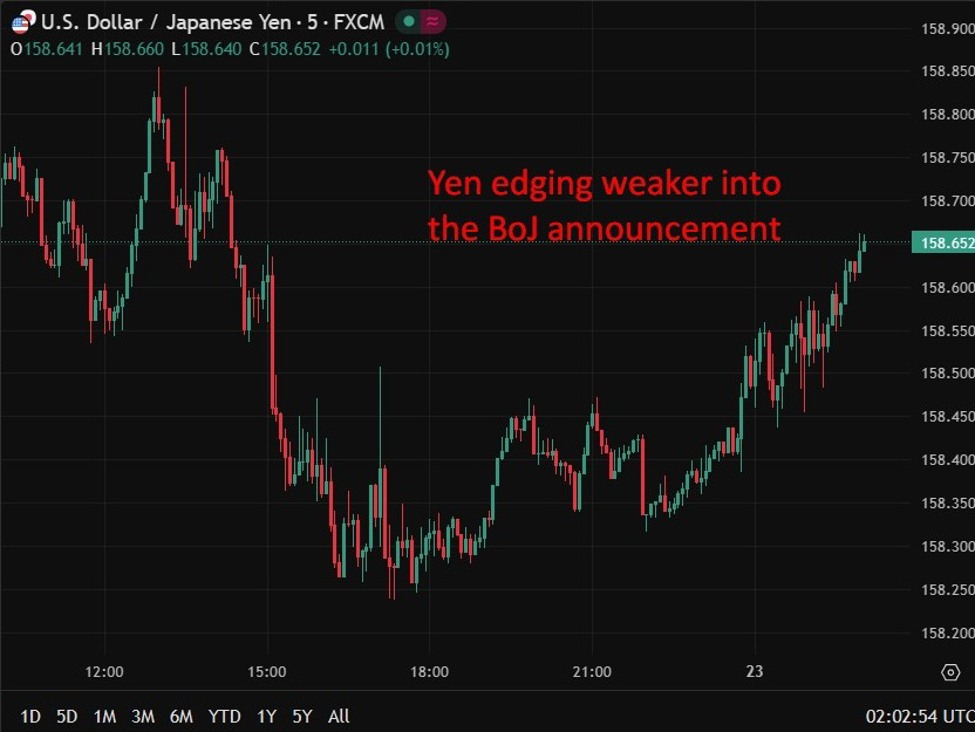
Japan signalled heightened market vigilance while playing down recent bond market stress.Summary:Japan monitoring markets closely amid ongoing volatilityFinance minister says bond market rout has easedDetails of proposed sales tax cut not yet decidedOngoing communication with US Treasury officialsAuthorities stress importance of market dialogueJapan’s government signalled heightened vigilance over financial market conditions on Friday, as Finance Minister Satsuki Katayama acknowledged recent instability across both global and domestic markets while seeking to reassure investors that stress in the bond market has begun to ease.Speaking at a press conference, Katayama said authorities are monitoring market developments with a “high sense of urgency,” reflecting ongoing volatility in interest rates, currencies and risk assets. While noting that conditions remain unsettled, she said the sharp sell-off that recently hit the Japanese government bond market appears to have receded, offering some relief after a period of rising yields and thinning liquidity.Katayama stressed the importance of maintaining close and continuous communication with financial markets, underlining the government’s desire to avoid disorderly moves. Her comments come as Japan navigates a delicate policy environment, with investors increasingly sensitive to fiscal signals, bond supply dynamics and the trajectory of monetary normalisation.On fiscal policy, the finance minister said details surrounding a proposed sales tax cut have yet to be finalised. The lack of clarity keeps markets alert to the risk of expansionary fiscal measures at a time when public debt levels are already elevated and long-term yields have been testing multi-decade highs. Any move to cut consumption taxes without a clear funding plan could revive concerns around Japan’s fiscal outlook and debt sustainability.Katayama also confirmed that Japan has been in regular contact with US officials, including ongoing communication with Scott Bessent, highlighting the importance of international coordination amid volatile global markets. The dialogue underscores shared concerns around market stability, capital flows and the spillover effects of policy decisions in major economies.The comments follow a period of sharp moves in Japanese bonds, with long-dated yields rising rapidly as investors reassessed fiscal risks and the pace of policy normalisation by the Bank of Japan. While recent price action suggests some stabilisation, the broader backdrop remains fragile, particularly as markets weigh the interaction between looser fiscal policy and tighter monetary settings.Overall, the finance minister’s remarks were aimed at striking a balance between acknowledging ongoing risks and calming market nerves. By emphasising dialogue, monitoring and international coordination, Japanese authorities appear focused on preventing renewed disorder in bonds and spillovers into currency and equity markets, even as policy uncertainty continues to cloud the outlook.Still ahead:Economic and event calendar in Asia 23 January 2026; BOJ decision dayBOJ signals readiness for more rate hikes as yen weakness fuels inflation risksBoJ preview: Will the central bank intervene in the bond market and sink the yen?
This article was written by Eamonn Sheridan at investinglive.com.
💡 DMK Insight
Japan’s vigilance over market volatility is a signal for traders to stay alert. The Japanese government is closely monitoring the bond market, which has seen recent stress. While Finance Minister statements suggest that the bond market rout has eased, the lack of details on a proposed sales tax cut indicates uncertainty. This could lead to increased volatility in both the yen and Japanese equities. Traders should consider how this heightened scrutiny might affect sentiment in the forex market, particularly against the US dollar. If the yen weakens further, it could trigger a wave of selling in Japanese stocks, impacting global markets as well. Here’s the thing: while mainstream coverage may downplay the situation, the ongoing communication with US Treasury officials hints at a potential ripple effect on US bonds and equities. Keep an eye on the 10-year Japanese government bond yield; a break above recent highs could signal renewed selling pressure. Watch for any updates on the sales tax cut, as that could be a catalyst for market movement in the near term.
📮 Takeaway
Monitor the 10-year Japanese government bond yield closely; a break above recent highs could indicate renewed volatility in both the yen and Japanese equities.