Bitcoin
  Ethereum
  Tether
  BNB
BNB  XRP
XRP  USDC
USDC  Solana
  TRON
TRON  Lido Staked Ether
  Figure Heloc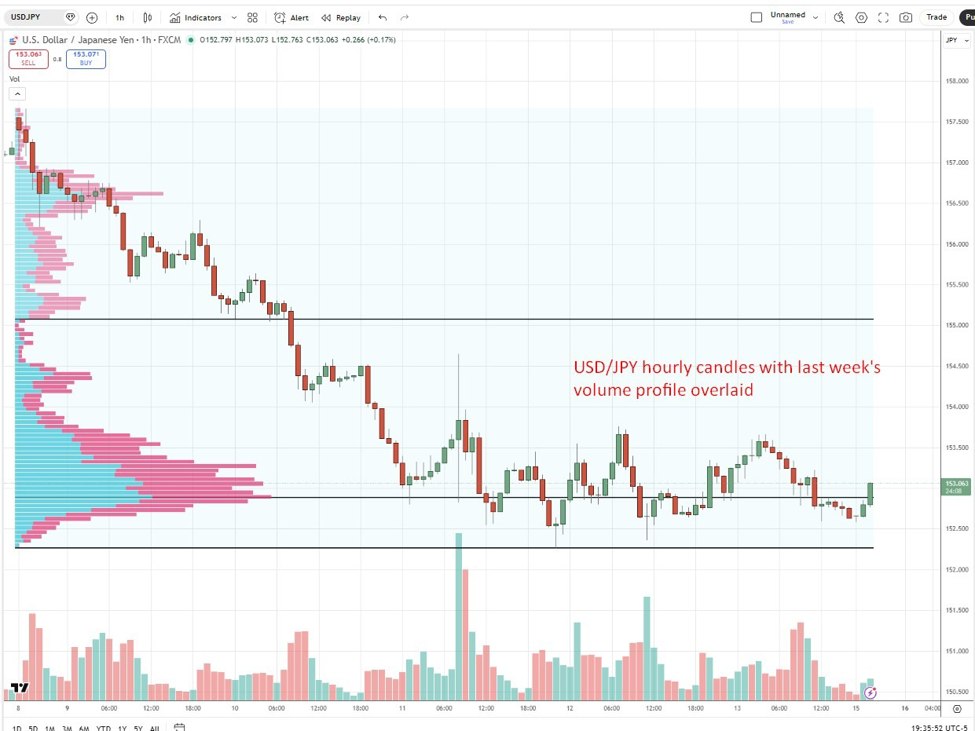
Japan ekes out Q4 growth, but momentum remains weak despite easing tariff drag.SummaryQ4 GDP barely positive, rising 0.1% q/q and 0.2% annualised, well below expectations.Private consumption slowed, up 0.1% q/q amid persistent food price pressures.Capex underwhelmed, increasing just 0.2% versus forecasts of 0.8%.Exports fell 0.3%, with external demand contributing zero to overall growth.GDP deflator rose 3.4% y/y, highlighting ongoing inflation pressures.Japan’s economy returned to marginal growth in the fourth quarter of 2025, but the expansion fell well short of expectations, underscoring the fragile nature of the recovery.Preliminary data showed real GDP rose 0.1% quarter-on-quarter in the October–December period, following a revised 0.7% contraction in Q3. On an annualised basis, growth came in at just 0.2%, significantly below market expectations for a 1.6% gain and weaker than forecasts of a 0.4% quarterly rise.Private consumption, which accounts for more than half of Japan’s economic output, increased 0.1% in Q4, matching expectations but slowing from the 0.4% pace recorded previously. Persistently elevated food prices continue to weigh on household spending, limiting momentum in domestic demand.Business investment showed only modest improvement. Capital expenditure rose 0.2% quarter-on-quarter, undershooting expectations for a 0.8% gain and marking only a partial rebound from prior weakness.External demand provided no net boost to growth. Exports declined 0.3% in the quarter, though the fall was milder than in Q3, suggesting the initial shock from US tariff measures may be easing. Net external demand contributed zero percentage points to overall GDP, compared with a drag in the previous quarter. Domestic demand also made a neutral contribution.Inflationary dynamics remain firm, with the GDP deflator rising 3.4% year-on-year, highlighting persistent price pressures even as real growth remains subdued.The data suggest Japan has stabilised after a sharp contraction but is far from a strong recovery. For the Bank of Japan, the modest return to growth provides some reassurance as it continues policy normalisation, though the softness in private demand and investment signals that tightening will likely proceed cautiously. Meanwhile, expansionary fiscal plans under Prime Minister Sanae Takaichi add complexity to the policy mix.
This article was written by Eamonn Sheridan at investinglive.com.
💡 DMK Insight
Japan’s Q4 GDP growth is tepid, and here’s why that matters for traders: With GDP barely rising 0.1% quarter-on-quarter, it signals a lack of robust economic momentum. Private consumption, a key driver, only increased by 0.1% as food price pressures weigh heavily on consumer spending. This sluggishness could lead to a more cautious Bank of Japan, impacting monetary policy decisions. If the central bank opts for further easing, it might weaken the yen, making Japanese assets less attractive to foreign investors. Traders should keep an eye on the yen’s performance against the dollar, especially if it breaks below key support levels. Additionally, the underwhelming capex growth of 0.2% versus expectations of 0.8% suggests businesses are hesitant to invest, which could stifle future growth. Look for potential ripple effects in export-driven sectors and related markets like commodities, especially if exports continue to decline. The real story here is the potential for a prolonged economic stagnation, which could shift market sentiment significantly. Watch for any comments from the Bank of Japan in the coming weeks that could signal a shift in policy, and keep an eye on the yen’s strength against the dollar, particularly if it approaches recent lows.
📮 Takeaway
Monitor the yen’s performance against the dollar closely; a break below key support could signal further weakness in Japanese assets.