Bitcoin
  Ethereum
  Tether
  XRP
XRP  BNB
BNB  USDC
USDC  Solana
  TRON
TRON  Lido Staked Ether
  Figure Heloc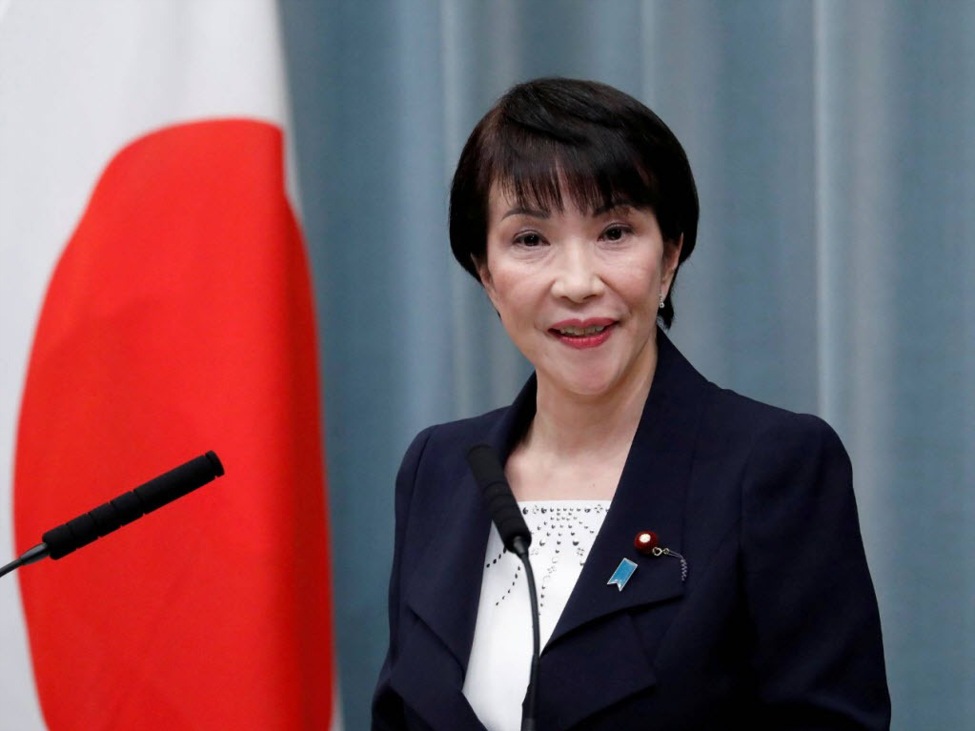
It is reported that she has conveyed to a ruling party executive of her intention to dissolve parliament’s lower house, which could set up for a snap election in either early or the middle of February. The next ordinary Diet session is scheduled for 23 January and that is the timing in which Takaichi is reported to be making this call.For some context, it is standard convention for Japan’s policymakers to convene for the ordinary Diet session in January since 1992. However, it would mark the first time since then that the lower house is dissolved at the very start of the calendar year.It’s never been the case as most of the time, policymakers would choose to focus more on trying to get the budget passed for the coming fiscal year by the end of March. And a change in the lower house could delay some proposals and measures in that regard.So, why is Takaichi planning this move here?It’s mostly to shore up support and increase the number of ruling coalition seats while her support ratings remain high. All that of course before opposition lawmakers start piling on the questions on her policy setting when the Diet session begins. And the ongoing feud between Japan and China won’t make things easy for her, as it offers up free ammunition for other lawmakers to question her leadership.It wouldn’t be the first time a Japanese prime minister would go to such lengths to avoid scrutiny and questioning at his/her own convenience. Takaichi would be taking another leaf out of Shinzo Abe’s book, in which the latter dissolved the lower house back in 2017 to avoid being questioned in the Diet about scandals involving Moritomo Gakuen and Kake Educational Institution.If she does indeed dissolve the lower house, a snap election could be called on 8 February or 15 February next month. So, just be mindful of those dates.
This article was written by Justin Low at investinglive.com.
💡 DMK Insight
The potential for a snap election in February could shake up market sentiment, especially for SOL at $141.79. Political instability often leads to increased volatility in crypto and forex markets, as traders react to uncertainty. If the ruling party’s dissolution leads to a shift in power, it could impact regulatory stances on cryptocurrencies, which are already sensitive to government policies. Traders should watch for any shifts in sentiment leading up to the January 23 Diet session, as this could set the tone for the election. If SOL breaks below key support levels, it might trigger stop-loss orders, amplifying downward pressure. Conversely, a stable political outcome could lead to a bullish reversal, especially if SOL can reclaim previous resistance levels. Keep an eye on the broader market context, including how traditional assets react to political news, as correlations can provide insights into potential movements in SOL. The real story is how traders position themselves ahead of these events, so monitoring sentiment indicators and trading volumes will be crucial.
📮 Takeaway
Watch SOL closely as political developments unfold; a break below $140 could signal further downside risk.