Bitcoin
  Ethereum
  Tether
  BNB
BNB  XRP
XRP  USDC
USDC  Solana
  TRON
TRON  Lido Staked Ether
  Figure Heloc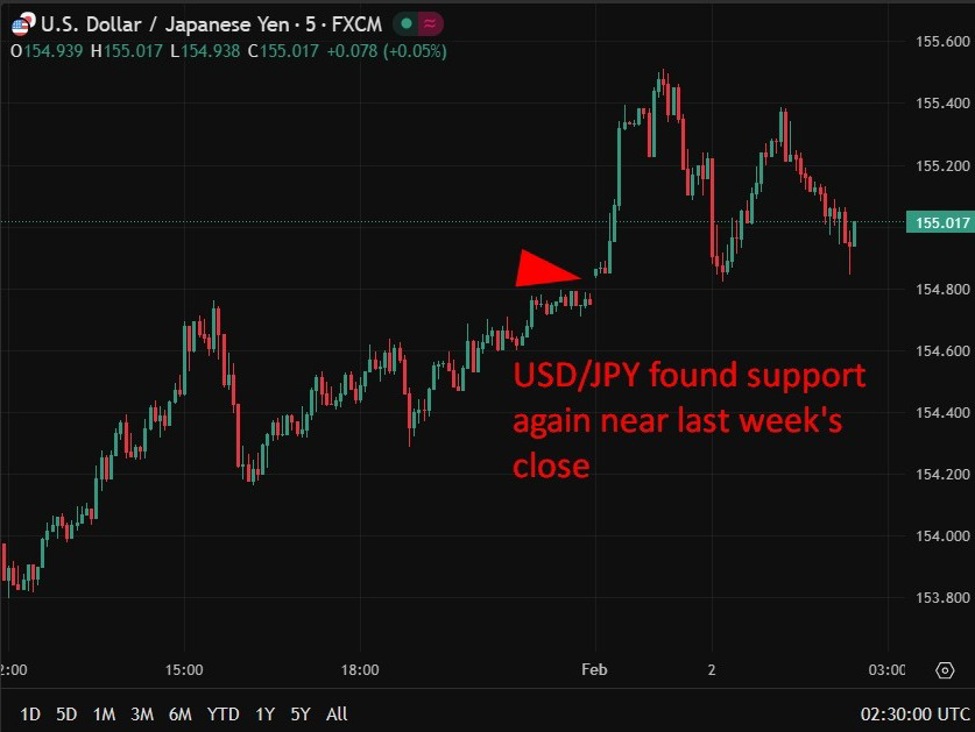
Summary:Japan’s government is trying to walk back and “de-risk” Prime Minister Sanae Takaichi’s weekend remarks that were widely interpreted as being comfortable with a weak yen. And also insensitive to Japanese people grappling with higher cost of living brought on somewhat by the lower yen driving up the JPY cost of imports. A government spokesperson refused to comment on FX levels and said Takaichi was not endorsing yen weakness, but arguing for an economy resilient to currency swings.The clarification highlights a growing messaging problem: political campaigning is colliding with the finance ministry’s long-running stance that it may act against “excessive” FX moves. Markets remain sensitive because yen weakness is feeding inflation, while the Bank of Japan has openly debated the risk of being behind the curve on inflation. With the February 8 snap election approaching, inconsistent rhetoric risks adding volatility to USD/JPY and long-dated JGBs as investors reassess intervention and policy risks.Japan’s currency messaging is getting messier after new comments from a government spokesperson sought to neutralise market fallout from Prime Minister Sanae Takaichi’s weekend remarks on the yen.In brief, the spokesperson on Sunday declined to comment on specific foreign-exchange levels, while emphasising that Takaichi was not attempting to advertise the benefits of a weak yen. Instead, the spokesperson said the prime minister’s intention was to stress the goal of building a stronger domestic economy that can withstand exchange-rate fluctuations.That clarification follows Takaichi’s campaign comments a day earlier that were taken by markets as being relatively tolerant of yen weakness, an awkward tone given the government’s parallel effort to keep intervention risk credible. Reporting around the remarks highlighted the contrast between campaign rhetoric and the finance ministry’s repeated warnings that it will respond if FX moves become excessive or disorderly. The timing matters. The yen has been hovering near multi-month lows, and currency depreciation has become politically sensitive because it lifts import costs and adds to household inflation. That inflation channel is also central to the BOJ debate: the bank’s January meeting discussion leaned more hawkish, with some policymakers raising concerns about falling behind the curve if inflation risks intensify, particularly when yen weakness is amplifying price pressures. Markets have already shown they are quick to punish perceived policy slippage. Recent episodes of yen weakness and bond-market volatility have been linked to worries about fiscal loosening under Takaichi, including tax-cut talk, with some investors likening the risk to a credibility shock if policy discipline is questioned. Those dynamics make message discipline critical: if the government wants to deter one-way yen selling, it cannot appear relaxed about depreciation, even rhetorically.The spokesperson’s attempt to “reframe” Takaichi’s comments is therefore best read as damage control and a reminder that Tokyo wants to keep two options alive at once: supporting growth and reflation domestically, while preserving the ability to warn markets against disorderly FX moves.For traders, the takeaway is that the yen story is now a political story as much as a monetary one. With the February 8 election nearing, any further muddled messaging risks adding headline-driven volatility, especially if it clashes again with finance ministry guidance or BOJ hawkishness.
This article was written by Eamonn Sheridan at investinglive.com.
💡 DMK Insight
Japan’s government is backtracking on Takaichi’s weak yen comments, and here’s why that matters: The remarks initially sent the yen lower, raising concerns among traders about the potential for further depreciation. A weak yen can boost exports but also exacerbates inflation, impacting consumer sentiment. With the Bank of Japan’s current stance on maintaining low interest rates, any signal of a shift could lead to volatility in the forex market. Traders should keep an eye on the JPY/USD pair, especially if the government clarifies its position further. If we see a strong response from the market, it could trigger a short squeeze or a reversal in trend, especially if the yen approaches key support levels. But here’s the flip side: if the government continues to support a weaker yen, it could lead to a longer-term bearish sentiment for the yen, affecting not just JPY but also correlated assets like Japanese equities. Watch for any upcoming economic data releases or comments from the Bank of Japan that might provide further clarity on their monetary policy, as these could be pivotal in shaping market expectations.
📮 Takeaway
Monitor the JPY/USD pair closely; any further government clarification could trigger significant volatility, especially if it approaches key support levels.