Bitcoin
  Ethereum
  Tether
  BNB
BNB  XRP
XRP  USDC
USDC  Solana
  TRON
TRON  Lido Staked Ether
  Figure Heloc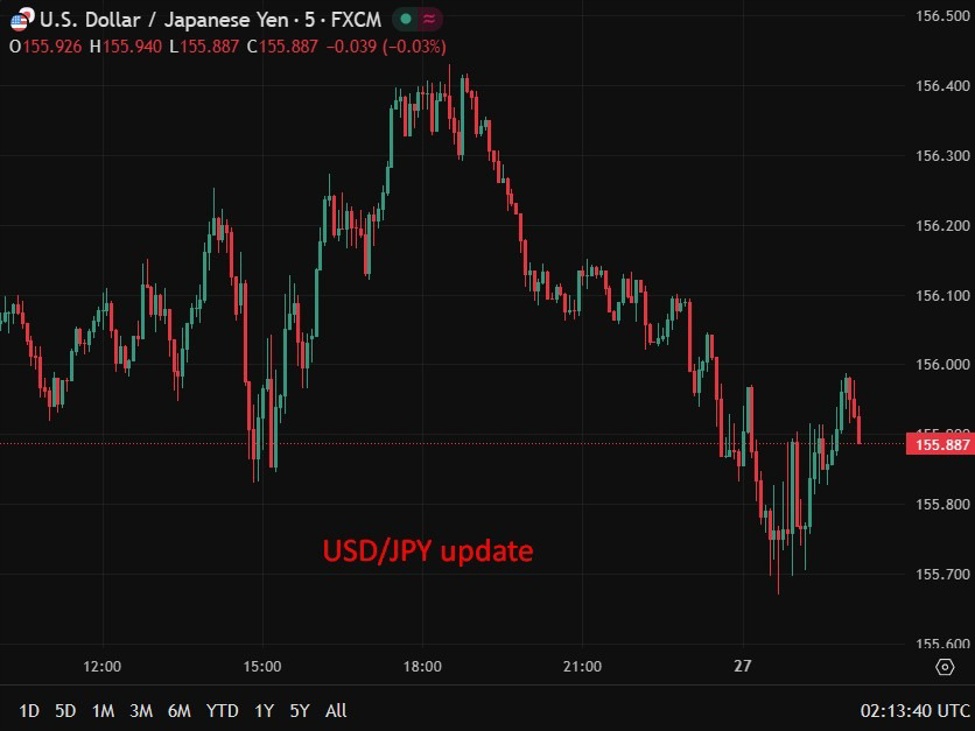
Tokyo core inflation dips below 2%, but firm underlying prices keep BOJ tightening bias intact.Summary:Tokyo February headline CPI: 1.6% y/y (exp 1.4%)Core (ex fresh food): 1.8% y/y (exp 1.7%, prior 2.0%)Core-core (ex fresh food & energy): 2.5% y/y (exp 2.3%, prior 2.4%)Core inflation slips below BOJ’s 2% target for first time in 16 monthsTrend inflation gauge strengthens, in line with BOJ’s “temporary slowdown” viewInflation in Japan’s capital moderated in February, with core prices slipping below the Bank of Japan’s 2% target for the first time in 16 months, though underlying momentum remained firm.Data for Tokyo, widely viewed as a leading indicator for national inflation, showed headline CPI rose 1.6% year-on-year, above expectations of 1.4%. Core CPI, which excludes fresh food, increased 1.8% y/y, easing from 2.0% previously and dipping below the BOJ’s 2% target. Markets had expected a 1.7% rise.However, the index excluding both fresh food and energy accelerated to 2.5% y/y from 2.4%, topping forecasts of 2.3%.The moderation in core inflation largely reflects fuel subsidies and the removal of gasoline tax surcharges, alongside fading base effects from last year’s food price spike. The result aligns with the BOJ’s guidance that inflation would temporarily slow before reaccelerating on the back of steady wage gains.The print presents a nuanced test for policymakers. While the dip below 2% could embolden dovish voices within government, particularly Prime Minister Sanae Takaichi, who has reportedly expressed reservations about further rate hikes, economists say the outcome alone is unlikely to derail the BOJ’s tightening bias.The central bank raised its policy rate to 0.75% in December, the highest in 30 years, as it continued its gradual exit from ultra-loose policy. Officials have maintained they will keep raising rates if economic and price forecasts materialise.Separately, factory output rose 2.2% in January, its first increase in three months, driven by double-digit car production gains. However, the rebound undershot the median forecast for a 5.3% rise, and manufacturers expect output to fall again in February and March, underscoring fragility in the industrial sector.For now, Tokyo’s data reinforces the BOJ’s narrative: inflation is softening temporarily due to policy and base effects, but underlying price pressures remain consistent with gradual policy normalisation.
This article was written by Eamonn Sheridan at investinglive.com.
💡 DMK Insight
Tokyo’s core inflation dipping below 2% is a critical signal for traders watching the BOJ’s next moves. While the headline CPI at 1.6% and core inflation at 1.8% are below expectations, the core-core figure at 2.5% suggests persistent inflationary pressures. This divergence indicates that while the BOJ may feel pressure to adjust its tightening bias, the underlying strength in prices could keep them on a cautious path. Traders should be aware that any shifts in BOJ policy could impact the yen significantly, especially against major currencies like the USD. If the BOJ maintains its stance despite the headline drop, it could lead to a stronger yen in the short term, particularly if the market perceives this as a commitment to controlling inflation. On the flip side, if the BOJ signals a more dovish approach, we might see a quick sell-off in the yen. Keep an eye on the 1.8% core inflation level; a sustained move below this could trigger a reassessment of the BOJ’s tightening plans. Watch for any statements from BOJ officials in the coming days, as they could provide further clarity on the central bank’s strategy.
📮 Takeaway
Monitor the 1.8% core inflation level closely; a sustained drop could signal a shift in BOJ policy and impact the yen significantly.