Bitcoin
  Ethereum
  Tether
  BNB
BNB  XRP
XRP  USDC
USDC  Solana
  TRON
TRON  Lido Staked Ether
  Figure Heloc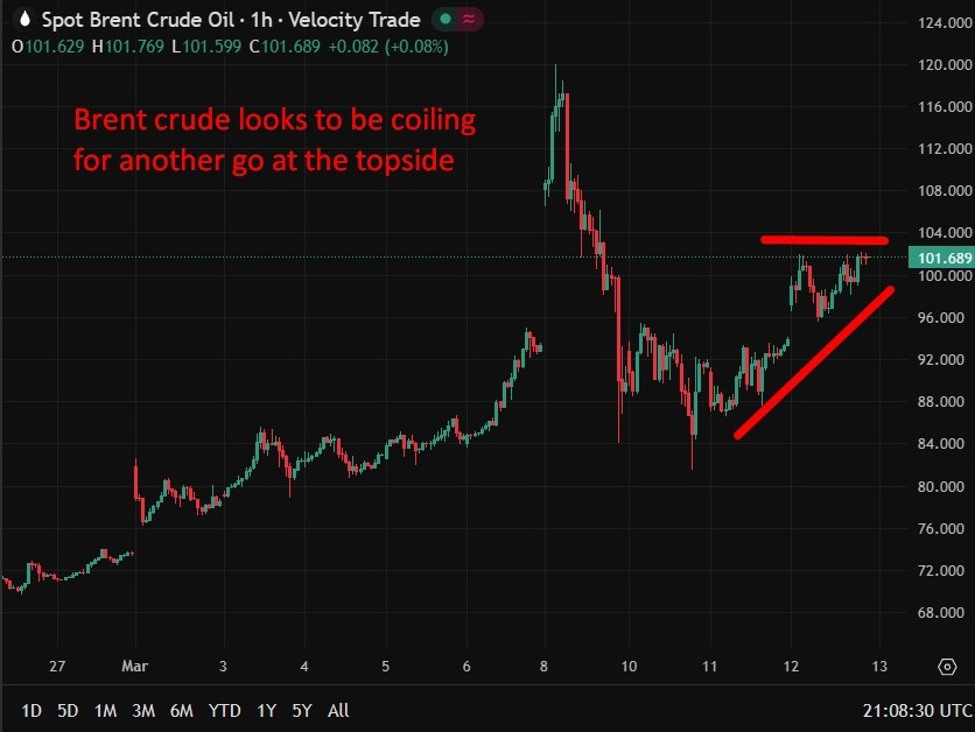
Israeli officials see Iran’s regime holding firm for now, shifting focus toward weakening Tehran’s military rather than expecting imminent political collapse.Info via the Wall Street Journal (gated) Summary:Israeli officials assess Iran’s regime is unlikely to collapse in the near term despite military pressure.Security forces maintain strong control over streets, discouraging protests and limiting dissent.Israel’s military goals are shifting toward weakening Iran’s capabilities rather than triggering regime change.U.S. strategy is increasingly focused on degrading Iran’s nuclear, missile and military infrastructure.Iran continues retaliatory attacks across the region, including strikes on shipping and energy infrastructure.Israeli officials increasingly believe Iran’s ruling system is unlikely to collapse in the near term, despite sustained military pressure and rising tensions across the region. Assessments from Israeli security and government figures suggest that Iran’s leadership still maintains firm control domestically, while conditions for a broad public uprising have not yet materialised.Nearly two weeks into the conflict, Iran’s political and military leadership continues to function and respond to developments, according to people familiar with the assessments. Although the country has faced significant military pressure, Iranian security forces remain deployed in strength across major cities, limiting the scope for protests and discouraging potential dissent.Israeli officials say Iran’s internal opposition appears subdued under this heavy security presence. Demonstrations that might otherwise challenge the regime have been constrained by the risk of arrest or violent suppression. As a result, policymakers in Israel believe any meaningful shift in Iran’s domestic political balance would likely require a much longer period of sustained pressure, potentially spanning weeks or months.Reflecting this assessment, Israeli military officials have begun outlining more limited strategic objectives for the ongoing campaign. Rather than expecting rapid political change in Tehran, the focus has increasingly shifted toward weakening Iran’s military capabilities and reducing the threat it poses to Israel and the broader region.Israeli military spokesman Nadav Shoshani said the armed forces are primarily focused on diminishing threats as much as possible and pushing them further from Israel’s borders. Decisions about broader political outcomes, he suggested, would ultimately occur at other levels beyond the military.At the same time, U.S. officials appear to be converging on a similar strategy. Rather than prioritising immediate regime change, Washington’s current focus has increasingly turned toward degrading Iran’s military infrastructure, including its ballistic missile capabilities and nuclear programme.Despite this recalibration of goals, Israeli Prime Minister Benjamin Netanyahu has continued to publicly encourage Iranian citizens to rise up against the government. In recent remarks, he suggested the coming phase of the conflict could create opportunities for Iranians to determine their own political future.So far, however, the Iranian government has demonstrated resilience. Tehran has continued launching retaliatory strikes across the region, with attacks on shipping and infrastructure raising tensions and disrupting global energy markets. Recent strikes on oil tankers near Iraq and escalating incidents around the Strait of Hormuz have highlighted the broader economic and geopolitical fallout.While pressure on Iran remains intense, Israeli officials currently see little indication that the regime’s grip on power is weakening in the short term. —China’s state media seem to assess that the war hasn’t been a total failure for Trump:
This article was written by Eamonn Sheridan at investinglive.com.
💡 DMK Insight
Iran’s regime isn’t crumbling anytime soon, and here’s why that matters for traders: The Israeli assessment suggests a prolonged geopolitical tension, which could impact oil prices and regional markets. If Iran’s military remains intact, we might see continued volatility in crude oil, especially if tensions escalate. Traders should keep an eye on oil futures; any spike in military activity could push prices above key resistance levels. Additionally, this situation could ripple through currencies tied to oil exports, like the Russian ruble or the Saudi riyal. But don’t overlook the potential for a contrarian play. If the market overreacts to geopolitical fears, there could be buying opportunities in equities or commodities that are undervalued. Watch for any significant announcements or military movements in the coming weeks, as they could serve as catalysts for price shifts. Keeping tabs on the daily charts for oil and related assets will be crucial in navigating this landscape.
📮 Takeaway
Monitor oil prices closely; any escalation in Iran could push crude above key resistance levels, impacting related currencies and commodities.