Bitcoin
  Ethereum
  Tether
  XRP
XRP  BNB
BNB  USDC
USDC  Solana
  TRON
TRON  Lido Staked Ether
  Figure Heloc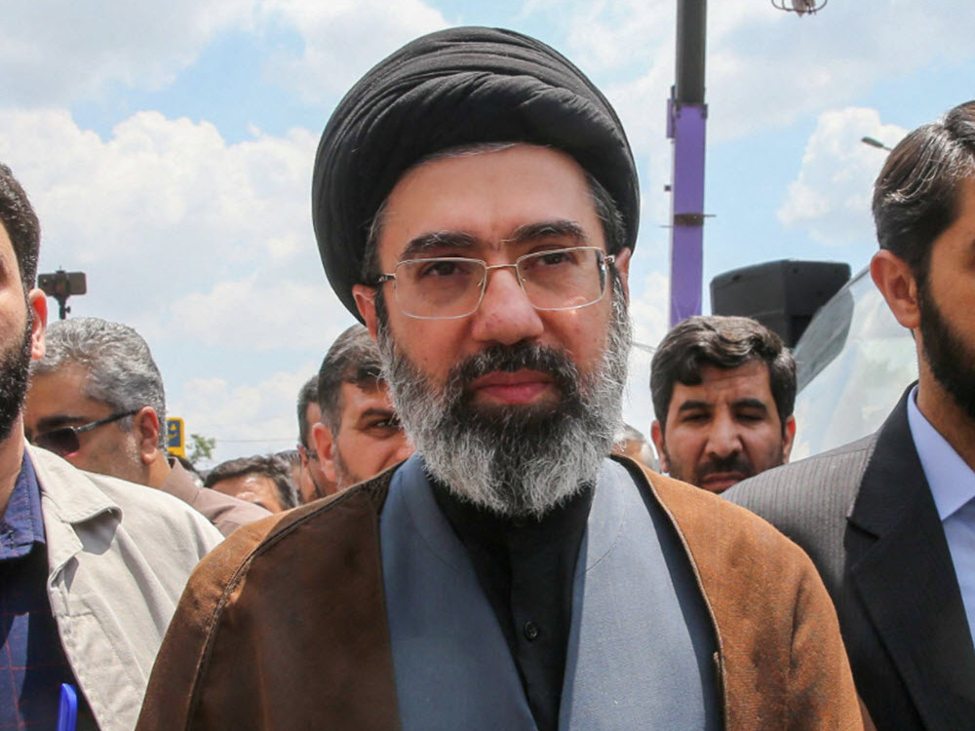
Iran’s new Supreme Leader in foreign policy session rejects proposals for ‘reducing tensions or seek peace with the US’Supreme Leader rejected proposals that were sent to Iran’s foreign ministry by two intermediary countriesSupreme Leader told foreign policy session ‘not the right time for peace’, US and Israel must be defeated, pay compensationIran’s new Supreme Leader has rejected proposals aimed at de-escalating tensions with the United States and Israel, according to a senior Iranian official who spoke to Reuters. During his first foreign policy session, the leader dismissed diplomatic roadmaps delivered to the Iranian Foreign Ministry by two intermediary countries, asserting that now is not the right time for peace.The official told Reuters that Khamenei’s stance for revenge against the US and Israel was “very tough and serious”. He reportedly told the session that the Islamic Republic would not seek to reduce tensions until the US and Israel are defeated and forced to pay compensation for damages. By demanding financial and political compensation as a prerequisite for any cessation of hostilities, the Supreme Leader appears to be prioritizing a “victory-first” doctrine over the economic stabilization sought by international mediators. Although Iran remains militarily inferior, it has effectively leveraged oil prices, which are now weighing on global economic sentiment and financial markets. Just yesterday, reports suggested that direct US-Iran communications had resumed in recent days. However, Iran’s Foreign Minister quickly dismissed those claims, saying they “appear geared solely to mislead oil traders and the public.” This suggests a clear interest in keeping oil prices elevated, or at least preventing them from falling.
This article was written by Giuseppe Dellamotta at investinglive.com.
💡 DMK Insight
Iran’s Supreme Leader’s rejection of peace proposals signals escalating geopolitical tensions, which could impact oil prices and regional stability. For traders, this development is crucial as it suggests that any hopes for easing sanctions or improving relations with the US are off the table for now. This stance could lead to increased volatility in oil markets, especially if military actions or further sanctions are anticipated. Watch for oil prices to react, particularly if they approach key resistance levels. Additionally, the broader Middle East geopolitical landscape may see ripple effects, influencing currencies tied to oil exports, like the Russian ruble or the Gulf states’ currencies. On the flip side, while mainstream narratives might focus solely on the negative implications, there could be hidden opportunities for traders who can capitalize on the volatility created by these tensions. Keeping an eye on oil futures and geopolitical news will be essential as the situation develops.
📮 Takeaway
Monitor oil prices closely; geopolitical tensions could drive volatility, especially if prices approach key resistance levels in the coming weeks.