Bitcoin
  Ethereum
  Tether
  XRP
XRP  BNB
BNB  USDC
USDC  Solana
  TRON
TRON  Lido Staked Ether
  Figure Heloc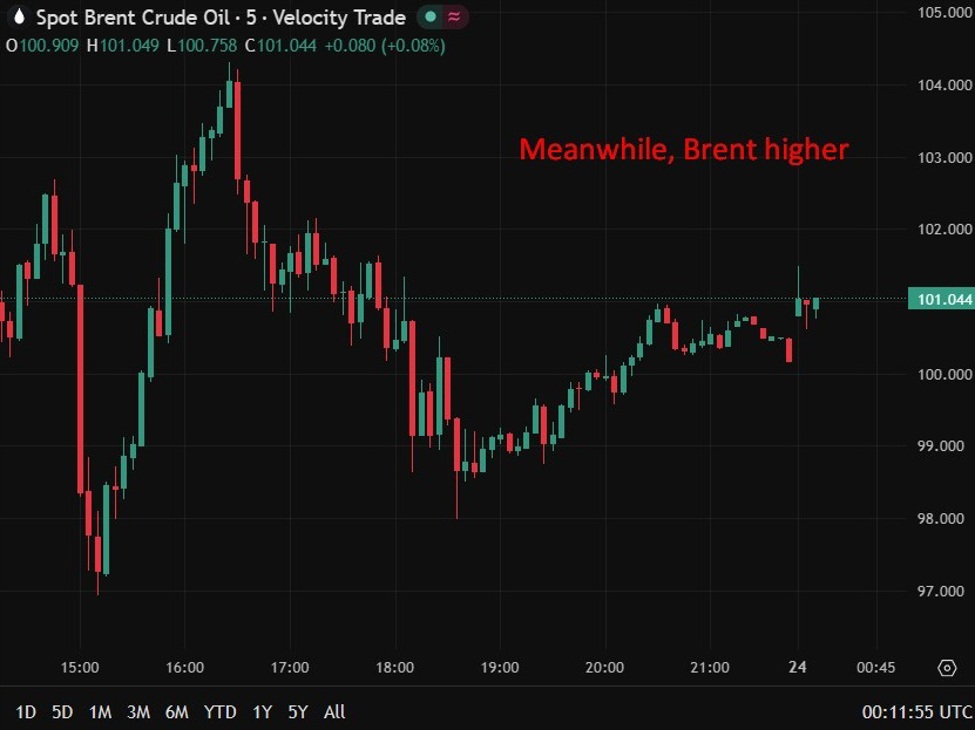
Strikes on Iran’s gas infrastructure highlight rising risks to energy systems as the conflict broadens, with potential implications for supply and market stability.Summary:Projectile reported to have struck gas pipeline feeding Khorramshahr power station
Additional gas-related facilities hit in Isfahan, including pressure reduction station
Reports link damage to US-Israeli strikes in central Iran
Energy infrastructure increasingly in focus as conflict intensifies
Raises risks of disruption to domestic energy supply and regional flows
Adds to broader concerns over oil and gas market stabilityEnergy infrastructure in Iran has reportedly come under renewed pressure, with strikes targeting gas-related assets in both the southwest and central regions of the country. According to reports, a projectile struck a gas pipeline supplying a power station in Khorramshahr, a key city near Iran’s southern energy corridor, raising concerns about potential disruptions to electricity generation and domestic gas distribution.Separately, additional damage was reported in Isfahan, where gas-related facilities—including offices linked to a gas company and a gas pressure reduction station—were said to have been hit in strikes attributed to US-Israeli activity. The targeting of such infrastructure suggests a widening scope of the conflict, with energy systems increasingly exposed to disruption risks.While the immediate impact on Iran’s broader energy exports remains unclear, the incidents highlight the vulnerability of critical infrastructure amid escalating tensions. Damage to pipelines and pressure facilities can have knock-on effects for both industrial activity and power generation, particularly if repairs are delayed or if further strikes occur. Markets are likely to interpret such developments as adding to the risk premium across energy prices, especially given the strategic importance of the region to global oil and gas flows.The reports were carried by Fars News Agency, a semi-official Iranian news outlet often viewed as closely aligned with state institutions, including the Islamic Revolutionary Guard Corps. While Fars is a key domestic source for developments within Iran, its reporting is typically assessed alongside other international and regional sources given the sensitivities surrounding conflict-related information.Overall, the developments underscore a growing pattern of strikes affecting energy infrastructure, reinforcing concerns about potential supply disruptions and the broader economic implications of a prolonged conflict. The situation remains fluid, with markets closely monitoring for confirmation of damage extent and any escalation that could impact regional or global energy supply chains.
This article was written by Eamonn Sheridan at investinglive.com.
💡 DMK Insight
Rising tensions in Iran are shaking up energy markets, and here’s why that matters: Recent strikes on Iran’s gas infrastructure could disrupt supply chains, especially if the conflict escalates. Traders should keep an eye on how this affects global energy prices, particularly crude oil and natural gas. With geopolitical risks on the rise, we could see volatility spike, impacting not just energy but also related sectors like transportation and manufacturing. If the situation worsens, we might witness a surge in prices as markets react to potential supply shortages. Look for key technical levels in crude oil—if it breaks above recent highs, it could signal a bullish trend. But don’t overlook the flip side: if diplomatic efforts lead to de-escalation, we could see a rapid correction in energy prices. Watch for any news on negotiations or sanctions, as these could shift market sentiment quickly. For now, keep your trading strategies flexible and monitor the situation closely, especially in the coming weeks as developments unfold.
📮 Takeaway
Watch for crude oil prices; a break above recent highs could signal a bullish trend amid rising geopolitical tensions.