Bitcoin
  Ethereum
  Tether
  XRP
XRP  BNB
BNB  USDC
USDC  Solana
  TRON
TRON  Lido Staked Ether
  Figure Heloc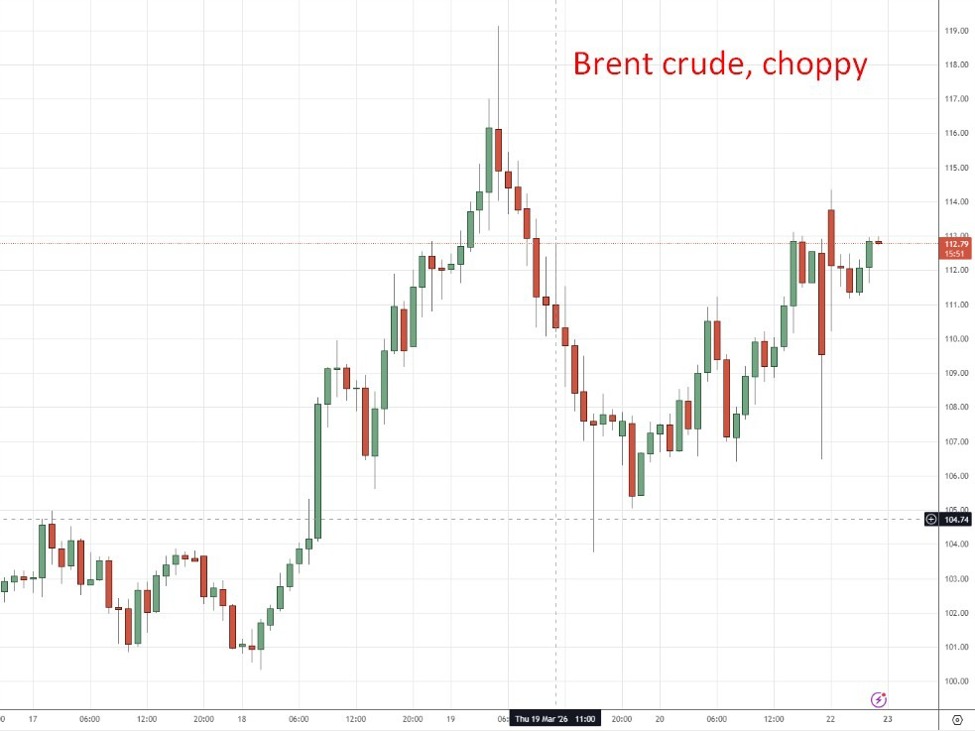
Warsh faces turbulent Fed transition as inflation, politics and oil shock collide.Japan weighs cutting inflation-linked bond buybacks as demand risesICYMI: Fitch sees Brent at $120 if Hormuz closure persists in 2026IEA warns Middle East crisis worse than 1970s oil shocks, eyes stock releasesSaudi Aramco cuts Asia oil supply as Hormuz disruption tightens marketPBOC sets USD/ CNY reference rate for today at 6.9041 (vs. estimate at 6.8928)Gold gets smashed as oil shock lifts yields, boosts dollar, and crushes rate-cut hopes.Japan flags FX intervention risk. Oil shock drives yen volatility and policy response.Saudi pipeline bypass eases oil shock, here’s what’s next for global supply.UK calls emergency COBRA meeting as Iran war lifts inflation and gilt yieldsGoldman Sachs lifts 2026 oil forecasts: Brent $85, WTI $79 on Hormuz riskPrivate credit stress reemerges as Blackstone fund posts rare loss and withdrawals rise.Crude oil jumps higher after Trump’s flaccid threats and Iran’s revenge responseNew Zealand outlook cut to negative by Fitch as debt concerns mountGulf shipping risks rise after blast near vessel off UAE Sharjah coastOil rises as Trump ultimatum to Iran fuels Hormuz escalation risksMonday open indicative forex prices, 23 March 2026Trump: We are very close to meeting our objectives in IranTrump issues 48-hour ultimatum to Iran over Hormuz reopening
Iran threatens retaliation targeting US and Gulf energy infrastructure
IEA warns crisis worse than 1970s oil shocks, flags supply losses
USD firms in thin trade; USD/JPY back above 159.50
Asian FX weak, KRW hits lowest since 2009
Gold sharply lower, falling below $4,340
Oil spikes at open, then trades choppy
Risk sentiment weak; Asian equities sell off broadlyMarkets opened the week on edge, dominated by escalating geopolitical tensions following US President Donald Trump’s 48-hour ultimatum to Iran to reopen the Strait of Hormuz or face potential strikes on key infrastructure. The deadline, set to expire Monday evening in New York, has placed markets on high alert for further escalation.Iran responded forcefully, warning that any US action would trigger retaliatory strikes targeting American and Israeli-linked energy assets across the Gulf, along with desalination pand power plants in its neighboring GCC countries. Officials also reiterated the risk of a prolonged or indefinite closure of the Strait of Hormuz, raising the prospect of a sustained disruption to global oil flows.The energy shock narrative was reinforced by International Energy Agency chief Fatih Birol, who described the situation as “very severe” and potentially worse than the oil crises of the 1970s. Birol noted that current disruptions are estimated at around 11 million barrels per day, exceeding the combined losses of the two major oil shocks of that era, with some analysts suggesting the figure could be closer to 13 million barrels per day. The IEA is now consulting governments on the potential release of additional strategic oil reserves.In early trade, the US dollar firmed in thin liquidity conditions, before broader FX markets settled into relatively contained ranges. USD/JPY pushed back above 159.50, while commodity-linked currencies including the AUD and NZD remained under pressure. The Korean won was a notable mover, weakening to its lowest level since March 2009.Gold came under heavy selling pressure, falling sharply below $4,340 as rising yields and a stronger dollar offset safe-haven demand. Oil prices initially surged on the Globex open, reflecting heightened geopolitical risk, before trading in a more volatile and choppy pattern.Risk sentiment across Asia remained fragile. Equity markets extended declines, with Japan’s Nikkei 225 falling sharply back below 52,000, Hong Kong’s Hang Seng dropping more than 3%, and China’s Shanghai Composite down over 2%.
This article was written by Eamonn Sheridan at investinglive.com.
💡 DMK Insight
The convergence of inflation pressures, political instability, and oil supply shocks is setting the stage for heightened market volatility. With the Fed’s transition under Warsh, traders need to keep a close eye on how these factors influence monetary policy. The potential for rising oil prices, especially if Brent hits $120 due to geopolitical tensions, could exacerbate inflation, prompting the Fed to act more aggressively. This could lead to a stronger dollar, impacting forex pairs like EUR/USD and commodity prices. Moreover, the IEA’s warning about a crisis worse than the 1970s oil shocks suggests that energy stocks and related commodities could see significant price movements. Traders should monitor key levels in oil and inflation indicators, as these will dictate market sentiment and trading strategies in the coming weeks. On the flip side, if the Fed adopts a more dovish stance amid these pressures, we could see a rally in risk assets, but that seems unlikely given the current environment. Watch for any Fed statements or economic data releases that could signal a shift in policy, particularly in the next FOMC meeting.
📮 Takeaway
Keep an eye on Brent crude prices and Fed signals; a rise above $120 could trigger aggressive Fed action impacting forex and commodities.