Bitcoin
  Ethereum
  Tether
  BNB
BNB  XRP
XRP  USDC
USDC  Solana
  TRON
TRON  Lido Staked Ether
  Figure Heloc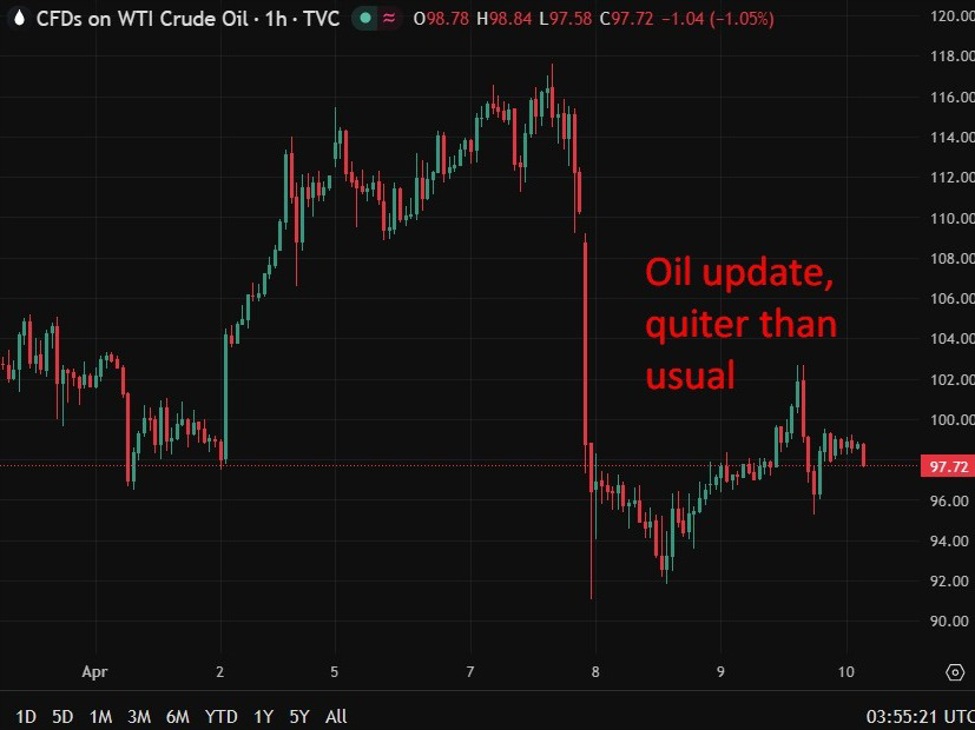
Australia seeks fuel security in Singapore as Hormuz disruption hits supplyJapan wholesale inflation jumps as BOJ flags stagflation risk from oil shockJapan to release more oil reserves, shift supply away from Hormuz routesChina inflation turns but signals “bad inflation” as energy costs rise and demand lagsBoJ flags stagflation risk if Middle East shock deepens, but says Japan not there yet.Japan finmin Katayama: govt ready to take decisive action but won’t elaborateChina March 2026 CPI 1.0% y/y (expected 1.2%) PPI 0.5% y/y (expected 0.4%)PBOC sets USD/ CNY reference rate for today at 6.8654 (vs. estimate at 6.8313)Bank of Korea holds policy rate at 2.5%, as expected.Powell, Bessent flag systemic risk from advanced AI modelsADB warns Asia growth to slow sharply if Middle East disruptions persistJapan’s Katayama signals no urgency on oil risks, backs G7 stance on conflictJapan data, March PPI 2.6% y/y (expected 2.4%, prior 2%)Massive Dos Bocas fire adds refining risk. Mexico’s flagship refinery stays below capacityZandi warns payrolls mislead, VCI signals rising US recession risk (what’s VCI, you ask?)NZ PMI stays in expansion but confidence drops sharply as global risks build.Warsh Fed hearing delayed by paperwork holdup (Powell set to stay longer?)White House warns staff not to bet on Iran war, raises (lack of) ethics concernsTrump touts oil flow recovery, but Hormuz chaos tells another storyTrump warns Iran over Hormuz transit fees as shipping tensions escalateIMF warns Iran war fuels inflation surge and global growth slowdowninvestingLive Americas market news wrap: Steps toward ceasefire in Lebanon lift the moodSummary:Iran denies Islamabad talks, pushing back on WSJ report and linking talks to Lebanon ceasefire
Japan’s Katayama escalates FX rhetoric, flags readiness for intervention
Fed leadership timeline slips as Warsh hearing delayed → policy continuity
BoJ flags stagflation risk if Middle East shock persists
South Korea holds rates amid inflation-growth trade-off
China data confirms “bad inflation” dynamic (PPI up, CPI soft)
Markets steady: Asia equities firmer, USD slightly stronger, oil rangeboundIranian state media denied that a delegation had arrived in Islamabad for weekend talks with the U.S., pushing back on earlier reporting and reiterating that Tehran has no plans to engage until a ceasefire is established in Lebanon. The denial reinforces the theme of conflicting signals around diplomacy, keeping uncertainty elevated despite the broader ceasefire backdrop.In Japan, Finance Minister Katayama stepped up verbal intervention, warning authorities are prepared to act “on all fronts” against market moves, citing heightened speculative activity across crude oil and FX. The rhetoric signals growing discomfort with currency volatility, though no concrete measures were outlined.On the Fed front, the Senate Banking Committee dropped plans for a hearing on nominee Kevin Warsh next week due to missing paperwork, effectively delaying the confirmation timeline. The development points to continued leadership continuity for now, removing a near-term policy uncertainty.Central bank messaging across Asia continues to reflect the same core dilemma. Bank of Japan Deputy Governor Himino said Japan is not currently in stagflation but warned that a prolonged Middle East conflict could push up inflation while weighing on growth. Similarly, South Korea’s central bank held rates steady, maintaining a cautious stance as policymakers balance rising price pressures against downside risks to activity.China’s latest data reinforced the emerging inflation narrative. Producer prices returned to growth (+0.5% y/y), ending a multi-year deflation streak, while consumer inflation undershot expectations (+1.0% y/y), highlighting the divergence between rising input costs and weak domestic demand.Markets were relatively steady. Asia-Pacific equities were mostly firmer, extending gains seen on Wall Street following ceasefire optimism, despite sporadic flare-ups. The US dollar edged higher, while major pairs were broadly stable. Oil traded in a tight range and gold was little changed, suggesting markets remain in a holding pattern as geopolitical uncertainty persists.
This article was written by Eamonn Sheridan at investinglive.com.
💡 DMK Insight
Supply chain disruptions in the Hormuz Strait are shaking up global fuel markets, and here’s why that matters for traders right now: With Australia looking to Singapore for fuel security, traders should keep an eye on how this shift impacts oil prices and related commodities. The situation is compounded by Japan’s rising wholesale inflation, which the Bank of Japan (BOJ) warns could lead to stagflation—a scenario that typically drives investors towards safe-haven assets like gold or the yen. If oil prices spike due to these disruptions, we could see a ripple effect across energy stocks and ETFs. Watch for key resistance levels in crude oil; a break above recent highs could signal further bullish momentum. Conversely, if inflation continues to rise without corresponding demand, we might see a shift in market sentiment that could lead to volatility in equities and commodities alike. Here’s the thing: while mainstream coverage focuses on immediate supply issues, the longer-term implications for inflation and economic growth could be even more significant. Traders should monitor the BOJ’s next moves closely, as any policy changes could impact currency pairs significantly, particularly USD/JPY. Keep an eye on oil prices and inflation metrics over the coming weeks to gauge market sentiment and potential trading opportunities.
📮 Takeaway
Watch for oil price movements and Japan’s inflation data; a spike in oil could lead to volatility in energy stocks and safe-haven assets.