Bitcoin
  Ethereum
  Tether
  BNB
BNB  XRP
XRP  USDC
USDC  Solana
  TRON
TRON  Lido Staked Ether
  Figure Heloc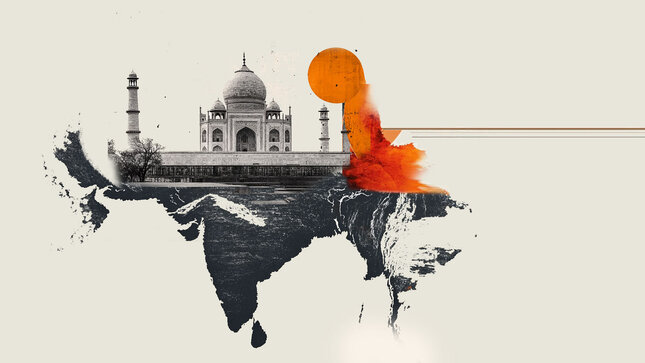
Societe Generale’s Kunal Kundu analyses how the Iran conflict exposes India’s macro vulnerabilities through imported energy dependence and trade route risks. Kundu highlights broad spillovers from higher Oil and gas prices into the consumption basket and external balances.
💡 DMK Insight
India’s energy dependence is under the spotlight as the Iran conflict escalates, and here’s why that matters: Rising oil and gas prices could significantly impact India’s inflation and trade balance, which are already under pressure. With energy imports making up a large portion of India’s consumption basket, any spike in prices could lead to increased costs for consumers and businesses alike. This situation could force the Reserve Bank of India to reconsider its monetary policy stance, potentially leading to interest rate adjustments that affect market liquidity. Traders should keep an eye on crude oil benchmarks and their correlation with the Indian Rupee, as a weaker Rupee could exacerbate inflationary pressures. On the flip side, while the immediate reaction might be negative, this could also present opportunities in sectors like renewable energy and domestic energy production. If the government accelerates its push towards energy independence, it could lead to long-term growth in these sectors. Watch for key levels in crude oil prices and the USD/INR exchange rate, as these will be critical indicators of how the situation unfolds in the coming weeks.
📮 Takeaway
Monitor crude oil prices closely; a sustained increase could pressure India’s inflation and impact the INR, influencing trading strategies in energy and currency markets.