Bitcoin
  Ethereum
  Tether
  XRP
XRP  BNB
BNB  USDC
USDC  Solana
  TRON
TRON  Lido Staked Ether
  Figure Heloc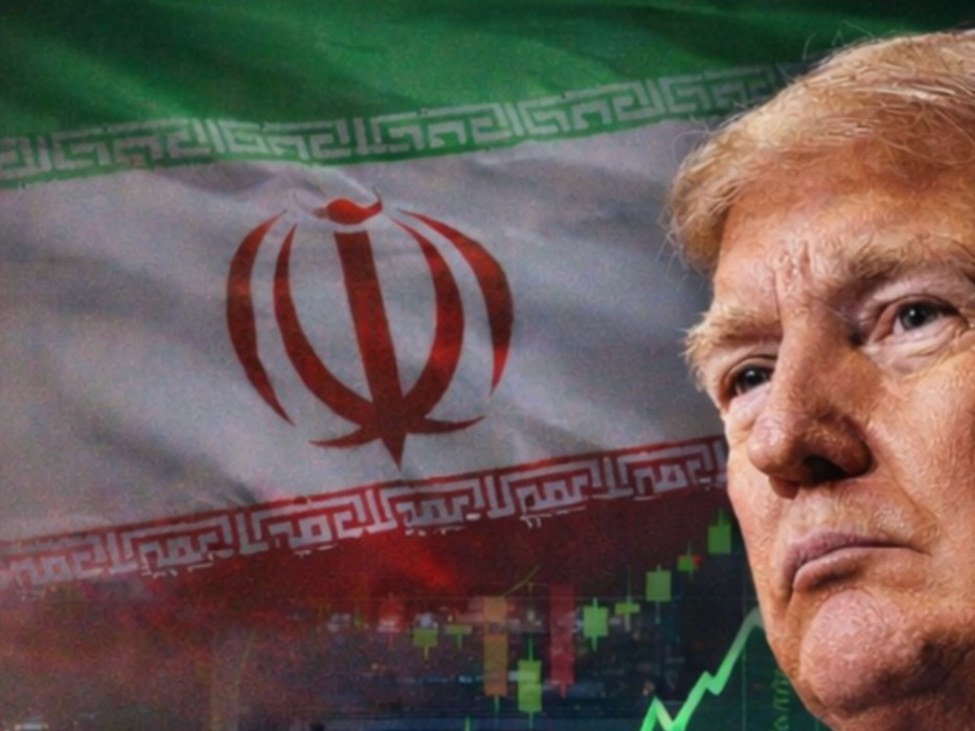
Fitch’s note from Friday. Scenarios highlight the scale of upside risk to oil prices, with prolonged Hormuz disruption potentially driving Brent toward $120 and keeping markets volatile.Summary:Fitch outlines oil price scenarios tied to duration of Hormuz closure
Brent seen averaging $120/bbl in 2026 under six-month disruption
Three-month closure scenario points to ~$100/bbl average
Base case remains $70/bbl, assuming only temporary disruption
Prices could spike to $130–$170/bbl during extended closure
Estimated loss of ~15mb/d in transit volumes through Hormuz
Demand destruction expected in prolonged disruption scenarios
IEA reserve releases seen cushioning near-term supply shockFitch Ratings has outlined a range of oil price scenarios for 2026, highlighting how the duration of disruption in the Strait of Hormuz could significantly reshape the global energy outlook.In its latest analysis, the agency estimates that Brent crude could average as high as $120 per barrel next year if the Strait remains effectively closed for six months. A shorter, three-month disruption would still push prices materially higher, with Brent seen averaging around $100 per barrel for 2026.Both scenarios mark a sharp departure from Fitch’s base case, which assumes a more temporary disruption and forecasts an average price of $70 per barrel. That baseline incorporates a near-term spike driven by the current crisis, followed by a gradual easing as supply conditions normalise and prices fall back toward $60 per barrel by year-end.Under the more severe disruption scenarios, however, price dynamics become significantly more volatile. Fitch expects oil to spike sharply during the period of closure, with prices potentially averaging between $130 and $170 per barrel in a prolonged six-month disruption. Even in a shorter disruption scenario, prices are seen holding near $130 during the peak before easing back toward $90 per barrel later in the year.The core driver behind these projections is the scale of supply disruption. Fitch estimates that a closure of the Strait would remove around 15 million barrels per day of transit volumes from the market, even assuming some limited flows continue.To balance the market under these conditions, the agency expects a combination of demand destruction and supply-side responses. In the three-month scenario, demand is projected to fall by around 2.5%, while a six-month disruption could trigger a deeper contraction of roughly 5.5%. Additional releases from strategic reserves — including those coordinated by the International Energy Agency — are also assumed to help offset the shock.Despite these mitigating factors, Fitch emphasises that oil markets are likely to remain highly volatile. The geopolitical risk premium remains elevated, and uncertainty around the duration of the conflict and the extent of supply disruption continues to dominate the outlook.What happens next? The key variable for markets now is duration.If the Strait of Hormuz is reopened relatively quickly, the oil market may follow something close to Fitch’s base case, a sharp but temporary spike followed by a retracement as supply chains normalise and strategic reserves are deployed.However, if disruption persists beyond a few months, the dynamics shift meaningfully. A prolonged closure would force a deeper rebalancing of the market through demand destruction, higher prices, and more aggressive policy responses. In this scenario, oil would likely trade with a sustained geopolitical premium, with spikes above $130 becoming more frequent.Markets will also closely monitor the effectiveness of mitigation measures. Strategic reserve releases, alternative export routes such as Saudi Arabia’s East-West pipeline, and supply responses from non-Gulf producers could help stabilise prices at the margin — but are unlikely to fully offset the loss of Hormuz flows.Another key risk is escalation. If infrastructure outside Hormuz, such as Red Sea routes or key export terminals, comes under sustained pressure, the supply shock could deepen further, pushing prices toward the upper end of Fitch’s projections.Ultimately, the path of oil prices will hinge on whether the current الأزمة remains a contained disruption or evolves into a more prolonged structural shift in global energy flows. For now, markets are likely to remain highly sensitive to both geopolitical developments and signs of supply adjustment.
This article was written by Eamonn Sheridan at investinglive.com.
💡 DMK Insight
Fitch’s warning about potential oil price spikes is a game changer for traders right now. With the possibility of Brent hitting $120/bbl due to disruptions in the Hormuz Strait, traders need to brace for volatility. A prolonged closure could not only inflate prices but also impact related markets like energy stocks and currencies tied to oil exports. If you’re trading oil, keep an eye on the $120 resistance level; breaking through could trigger a wave of speculative buying. Also, consider how this scenario might affect inflation expectations and central bank policies, especially if oil prices surge unexpectedly. On the flip side, if the disruption is resolved sooner than expected, we could see a sharp correction. So, watch for news updates on the situation in Hormuz and adjust your positions accordingly. Keeping tabs on inventory reports and OPEC’s response will also be crucial as we navigate these turbulent waters.
📮 Takeaway
Monitor Brent crude closely; a sustained breach above $120 could signal a new trading range, while any resolution in Hormuz may lead to a sharp price correction.