Bitcoin
  Ethereum
  Tether
  XRP
XRP  BNB
BNB  USDC
USDC  Solana
  TRON
TRON  Lido Staked Ether
  Figure Heloc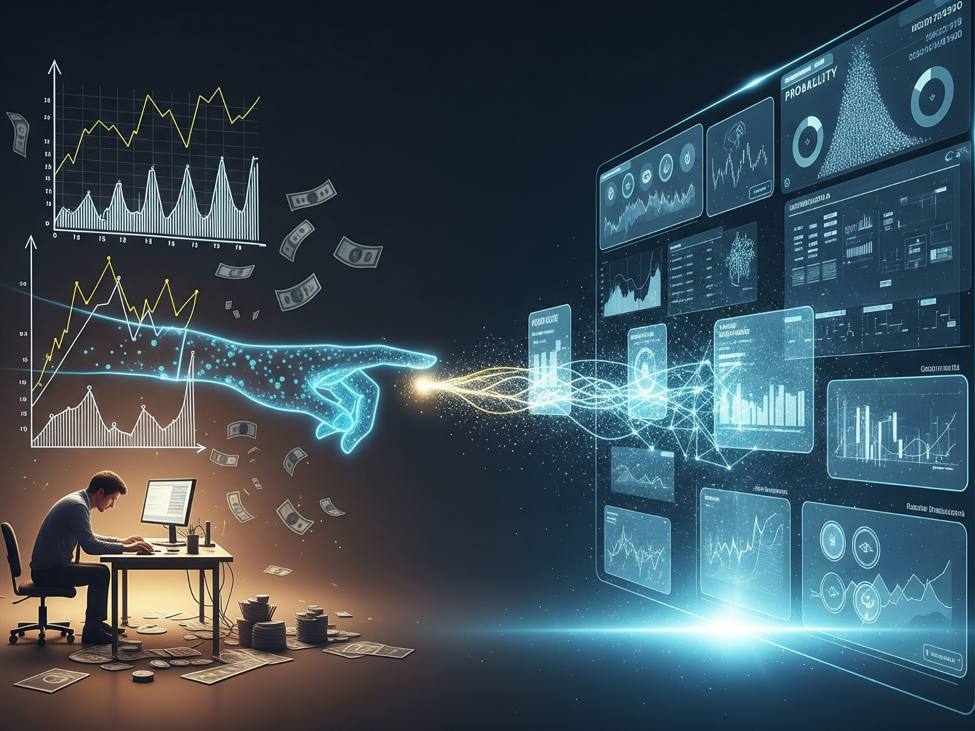
For years, retail traders have faced a fundamental disadvantage that had nothing to do with skill, discipline, or market knowledge.It came down to data.Institutional traders have long operated with dedicated quant teams, proprietary algorithms, and access to historical analysis that most retail traders could only dream of. while hedge funds made decisions backed by decades of probability data, the average retail trader was left with chart patterns, YouTube indicators, and gut instinct.The result has been predictable: most retail traders struggle with consistency, not because they’re incapable, but because they’ve been forced to compete without the tools institutions use to gain an edge.But that dynamic is starting to shift.The data gap that’s defined retail tradingThe frustrating reality is that the data retail traders needed always existed. Historical patterns could be analyzed. Probabilities could be calculated. The information was there, but all of it had to be done by hand.For decades, getting institutional-quality trading data meant one of two things: paying thousands of dollars monthly for professional data feeds, or learning to code and building custom analysis systems from scratch.Neither option works long term for the average trader. Most don’t have unlimited amounts of resources, and most aren’t quant-level programmers getting paid to spend all day building algos or strategies.So retail traders continued making decisions based on incomplete information, trading setups without knowing the actual historical probabilities behind them, and wondering why consistency felt impossible.The rise of probability-based trading platformsA new category of fintech tools is emerging to close this gap.These platforms aggregate massive amounts of historical market data and translate it into probability-based insights that don’t require coding skills or expensive subscriptions to access. The concept is straightforward: instead of guessing whether a setup might work, traders can see how similar setups have actually performed over defined time periods.Edgeful is one platform leading this shift. built specifically for retail traders, it analyzes thousands of data points across futures, stocks, and other instruments, then presents the findings through intuitive probability reports.The approach represents a fundamental change in how retail traders can operate: decisions backed by historical data rather than emotion or intuition.What probability-based analysis looks like in practiceTo understand why this matters, consider a common trading setup: gap fills.A gap occurs when price opens above or below the previous session’s close. many traders look to “fade” these gaps, betting that price will retrace back to fill the opening gap. It’s a reasonable strategy in theory.But the data reveals something most traders don’t realize: the probability of a gap filling can vary dramatically depending on factors like the day of the week.For example, historical analysis might show that gaps up on a particular index fill 86% of the time on Tuesdays, but only 65% of the time on Fridays. Same ticker, same setup, completely different probabilities.Here’s Friday’s data for ES over the last 6 months: Without this data, a trader treats both scenarios identically. Which means they’re trading setups the exact same way not knowing the actual data says you should be trading them completely differently.With it, they can make significantly more informed decisions about which setups actually offer favorable odds.This is the kind of edge that was previously reserved for institutional desks with dedicated research teams. Probability-based platforms are now making it accessible to individual traders.Past performance is not indicative of future results. All trading involves risk, and historical probabilities do not guarantee future outcomes.What this shift means for retail tradersIt’s important to be clear about what probability-based tools can and can’t do.They don’t guarantee profits. they don’t eliminate risk. Anyone claiming otherwise is selling false promises.What they do offer is something retail traders have historically lacked: the ability to make decisions grounded in actual data rather than speculation.When traders know the historical probability behind a setup, they’re no longer just guessing. they can build strategies around quantifiable edges and, perhaps more importantly, maintain discipline because their approach is built on something tangible.The gap between retail and institutional traders will likely never fully close. institutions will always have advantages in execution speed, capital, and resources.But the data advantage that once separated them is narrowing. Retail traders now have access to probability-based analysis that simply wasn’t available to them five years ago.For an industry where information has always meant edge, that’s a meaningful shift.
This article was written by IL Contributors at investinglive.com.
💡 DMK Insight
Retail traders are at a significant disadvantage due to unequal access to data compared to institutional players. This disparity isn’t just about resources; it affects trading strategies, market timing, and ultimately, profitability. Institutional traders leverage advanced algorithms and historical data to make informed decisions, while retail traders often rely on limited information and intuition. This gap can lead to increased volatility in the markets, as retail traders react to news or trends without the comprehensive analysis that institutions perform. For those looking to level the playing field, focusing on data-driven strategies and utilizing available tools can help. Monitoring key indicators like trading volume and price action can provide insights into institutional behavior. As we move forward, retail traders should keep an eye on how institutional moves impact market trends, especially during high-impact news events or earnings reports. The real story here is that while retail traders may feel outmatched, there’s an opportunity to adapt and use technology to their advantage. By staying informed and utilizing data analytics tools, traders can improve their decision-making processes and potentially enhance their trading outcomes.
📮 Takeaway
Watch for institutional trading patterns and consider using data analytics tools to enhance your trading strategy, especially around major market events.