Bitcoin
  Ethereum
  Tether
  XRP
XRP  BNB
BNB  USDC
USDC  Solana
  JUSD
JUSD  TRON
TRON  Lido Staked Ether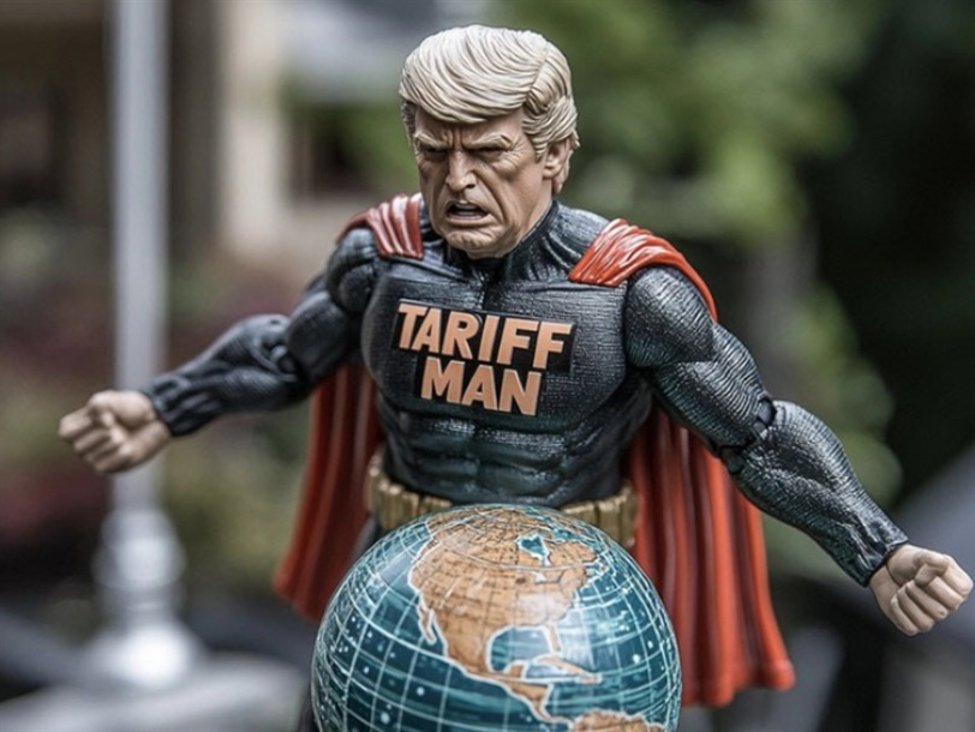
House Republicans failed to block tariff repeal votes, reopening debate over Trump-era trade measures.Summary:House procedural vote fails 217–214Johnson effort to block tariff votes collapsesThree Republicans break ranksDemocrats poised to advance tariff repeal billsTrade policy debate reopensA key procedural vote in the United States House of Representatives failed on Tuesday, dealing a setback to Speaker Mike Johnson and potentially opening the door to renewed congressional efforts to roll back tariffs imposed under former President Donald Trump.The vote, which would have renewed a blockade preventing legislation aimed at unwinding Trump-era tariffs from reaching the House floor, was defeated 217–214. Three Republican lawmakers, Thomas Massie, Don Bacon, and Kevin Kiley, broke ranks and voted against the procedural rule, joining Democrats in opposition.Earlier in the day, Johnson had expressed confidence that the rule would pass, underscoring the narrow margins facing House leadership. The failed vote now clears the way for Democrats to advance legislation targeting specific tariff measures, potentially triggering a flurry of politically charged votes on trade policy.The tariffs in question stem from Trump’s aggressive trade agenda, particularly measures imposed on Chinese goods and other trading partners. While many of the tariffs remain in place, debate over their economic impact, including inflationary effects and supply-chain costs, has intensified amid shifting global trade dynamics.With Republicans holding only a slim majority, even small defections can derail procedural efforts. The outcome highlights internal divisions within the party over trade policy and the broader direction of U.S. economic strategy.Markets may view the development as a sign of rising political uncertainty around U.S. trade policy. However, any substantive changes would still require broader legislative support and potential Senate action, suggesting that near-term policy shifts remain uncertain despite the procedural breakthrough.—Maybe we won’t have to wait …
This article was written by Eamonn Sheridan at investinglive.com.
💡 DMK Insight
House Republicans just lost a key procedural vote on tariffs, and here’s why that matters: this could shake up trade sentiment and impact market volatility. The failed 217-214 vote signals a potential shift in U.S. trade policy, particularly as Democrats are now positioned to advance tariff repeal bills. For traders, this means keeping an eye on sectors sensitive to trade policies, like agriculture and manufacturing, which could see price fluctuations based on tariff changes. If tariffs are repealed, it could lead to lower costs for imported goods, impacting inflation metrics and consumer spending. But don’t overlook the flip side—this could also create uncertainty among investors who fear the implications of a more open trade environment. Watch for reactions in commodities and related equities, especially if the repeal gains momentum. Key levels to monitor include the S&P 500’s performance around recent highs, as a significant move could indicate broader market sentiment shifts. Keep an eye on upcoming votes and statements from key lawmakers for further clues.
📮 Takeaway
Watch the S&P 500 closely; a break above recent highs could signal increased market optimism around tariff repeals.