Bitcoin
  Ethereum
  Tether
  XRP
XRP  BNB
BNB  USDC
USDC  Solana
  TRON
TRON  Lido Staked Ether
  Figure Heloc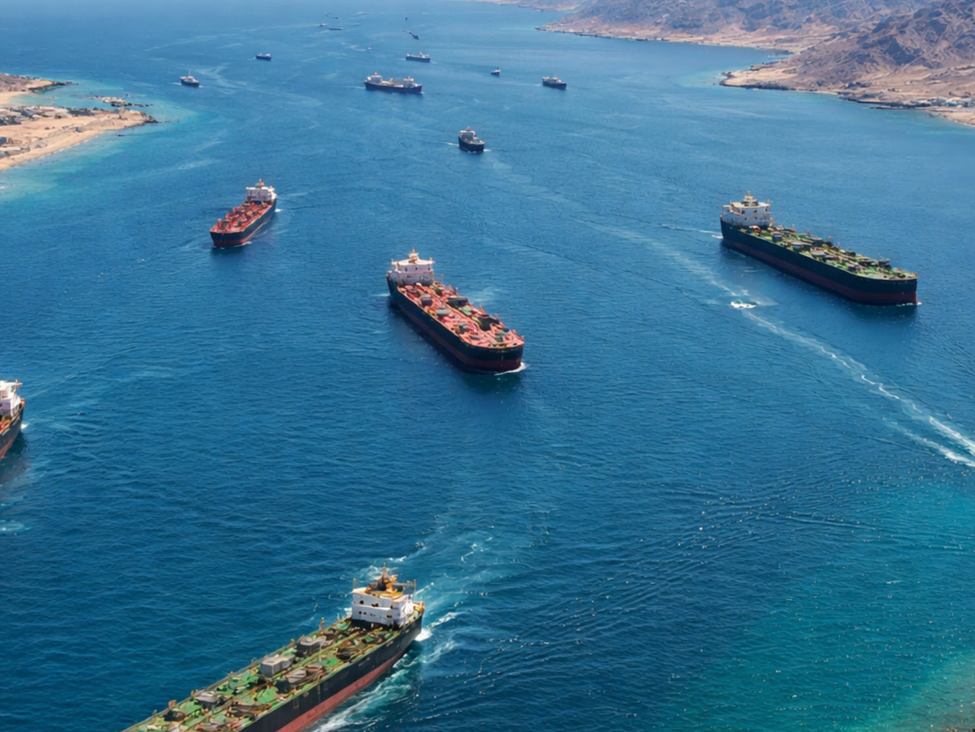
Situation in the Middle East is still severely disrupting shipping and supply chainsHopefully the Strait of Hormuz will reopenAbout 1,000 ships are still stuck in the region, six of which are from Hapag-LlyodNone of our ships have passed through the Strait of HormuzThe extra costs per week due to the crisis are around $50 million to $60 millionWe have no choice but to pass on some of that to customersMiddle East situation remains very fluid at the momentEven though news of ceasefire is good, we won’t have a normal network for at least another 6-8 weeksWe will open up for bookings into the Upper Gulf area hopefully fairly soonWhile markets are busy cheering on the ceasefire news, the reality of the situation on the ground is still filled with much uncertainty. And it definitely seems like a lot of commercial vessels will still be guarded in wanting to try their luck in passing through the Strait of Hormuz at this point in time.As mentioned before, any reopening is going to be a slow trickle rather than the floodgates being opened and a rush comes in. We might juts see an uptick from 6-7 vessels per day to maybe something between 10-20 vessels. And if so, that is a far cry from the usual roughly 120-130 vessels that passes through the strait on a daily basis before the conflict began.For now, the ceasefire news is the best markets can hope for in terms of buying time for added relief. However, that seems to be exactly what it is. Just to buy time so that hopefully more positive news can come in eventually.But until then, the risk is always going to be there as the strait remains in de facto or partial closure.
This article was written by Justin Low at investinglive.com.
💡 DMK Insight
The ongoing situation in the Middle East is creating significant disruptions in global shipping, particularly through the Strait of Hormuz, which is critical for oil and trade routes. With around 1,000 ships currently stuck, including those from major shipping lines like Hapag-Lloyd, the ripple effects on supply chains could lead to increased costs and delays across various sectors. Traders should be aware that these disruptions can lead to volatility in oil prices, impacting related assets like energy stocks and commodities. As the situation evolves, keep an eye on the price of crude oil, which could see upward pressure if shipping remains hampered. Additionally, monitor any news regarding the reopening of the Strait, as this will be a key indicator of when normal shipping operations might resume. If the situation escalates, we could see a spike in shipping rates, which would further affect inflation and economic indicators globally. This is a time to reassess positions in energy and shipping stocks, as well as commodities that rely heavily on these trade routes.
📮 Takeaway
Watch for updates on the Strait of Hormuz; disruptions could drive oil prices higher and impact related markets significantly.

![Stock markets soar as predicted [Video]](https://dmknewsbot.io/wp-content/uploads/2026/04/Equity-Index_SP500-1_Medium.jpg)