Bitcoin
  Ethereum
  Tether
  BNB
BNB  XRP
XRP  USDC
USDC  Solana
  TRON
TRON  Lido Staked Ether
  Figure Heloc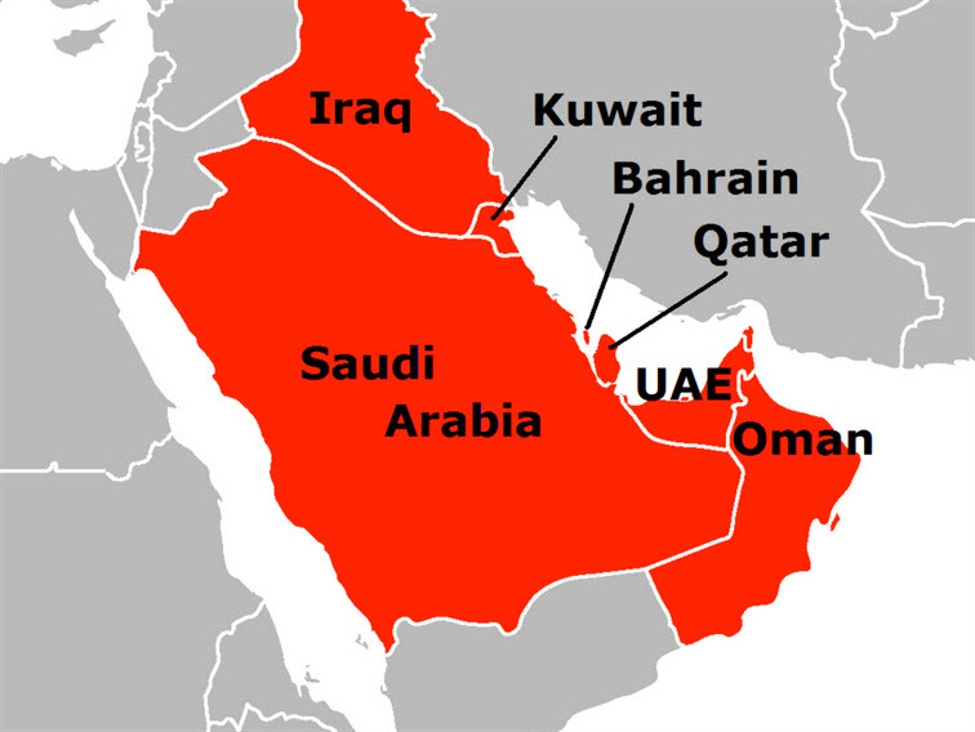
The FT reports that pressure on the Arab Gulf states’ finances could cause them to review their overseas investments and commitments. The cost of the war is beginning to mount as Iran strikes at US allies and US bases in the region.This report is undoubtedly aimed at putting pressure on the US to either subsidize their defense or seek peace in Iran. The countries have evidently held joint discussions about pressure on budges and may reassess how they manage the economic pain, including pulling overseas investment commitments.Those commitments have been a signature achievement of Donald Trump’s Presidency and this report was likely floated to get his attention.Any move to pull back Gulf investment from the US and Western assets could put serious pressure on the Trump administration to pursue a diplomatic resolution. These sovereign wealth funds are massive players in global capital markets, and even the threat of a reassessment sends a signal. Watch for any follow-through on this — if Gulf states start actually invoking force majeure or redirecting capital flows, that’s a risk-off trigger across multiple asset classes.All this said, there are some real mixed signals from Gulf states. Iran is their major rival and some are surely supporting the US and Israel but they also demand stability at home and that’s not exactly happening at the moment. I also question some of the budget crunch given that rising oil prices will surely benefit them. Yes, Qatar has seen LNG and other flows blocked but that should only be temporary.The leaks could also be at Iran’s behest as they threaten further drone strikes and attempt to negotiate with Trump, something he conceded earlier today. I would imagine a big turn in risk assets could come if/when Trump begins to negotiate. There are no signs of that now.Notably, Bahrain’s ambassador to the US wrote this today:The Iranian regime claims it targets U.S. interests,yet its missiles strike Bahrain’s airport,residential buildings,hotels & now our oil facility,the backbone of our economy! Civilians & critical infrastructure are not targets,and neither are our partners
This article was written by Adam Button at investinglive.com.
💡 DMK Insight
Gulf states are feeling financial strain, and here’s why that matters for traders: As the cost of conflict in the region rises, Gulf nations may reassess their overseas investments, which could lead to volatility in markets tied to these economies. If these states pull back on foreign commitments, we could see a ripple effect impacting commodities, particularly oil, as Gulf states are major players in the energy sector. Traders should keep an eye on oil prices, which are already sensitive to geopolitical tensions. A decline in investment could also affect currencies tied to these economies, like the UAE Dirham or the Saudi Riyal, leading to potential trading opportunities or risks. But here’s the flip side: if Gulf states decide to double down on investments to stabilize their economies, we might see a short-term boost in asset prices. Watch for key announcements or shifts in policy from these nations in the coming weeks, as they could signal where the market is headed. The immediate focus should be on oil price movements and any changes in currency stability as these geopolitical tensions evolve.
📮 Takeaway
Monitor oil prices closely; any significant drop could indicate Gulf states pulling back on investments, impacting related currencies and commodities.