Bitcoin
  Ethereum
  Tether
  XRP
XRP  BNB
BNB  USDC
USDC  Solana
  TRON
TRON  Lido Staked Ether
  Figure Heloc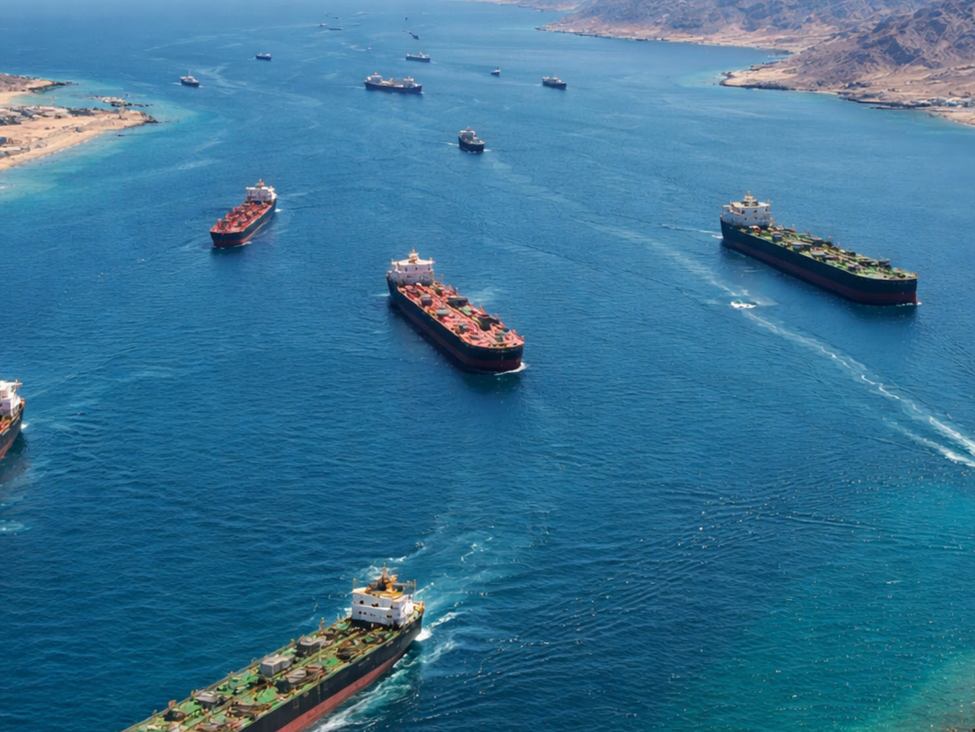
The FT is reporting on this, citing officials and industry executives as saying that the Gulf states are looking to explore new pipelines to reduce their reliance on the Strait of Hormuz in exporting their oil and gas. That as Iran continues to cause a more vulnerable situation amid their open-ended threat and control over the strait.The idea of using pipelines isn’t new and there are already well-established ones across the region. However, the issue with them is that they are expensive and politically messy in general. That not to mention that it can take many years before completion.But with Iran pushing many Gulf countries to their limits in this latest episode, perhaps there might be a change of tone to try and push for pipelines to be developed more quickly.Saudi Arabia is one to be lucky enough to have the East-West pipeline in place, which is now acting as the primary alternative to the Strait of Hormuz. It is a “relief valve” of sorts but doesn’t come close to compensating for the loss from not being able to pass through the strait.For some context, the pipeline offers about 7 million barrels of oil per day. So, even at maximum capacity it is just about one-third of the volume that goes through the Strait of Hormuz.The report cites Maisoon Kafafy, a senior adviser to the Atlantic Council’s Middle East programmes, in saying that “the mood in the Gulf has now changed”. That as countries are needing to think about the long game here in not allowing for a repeat of the situation we’re seeing in the past month.All that being said, it’s still a tough challenge. As mentioned above, it is politically complex and the costs of trying to build something similar to the East-West pipeline can be rather hefty – in the billions even. And at the end of the day, it is going to take many, many years to complete. So, there’s that to consider.The full report can be found here (may be gated).
This article was written by Justin Low at investinglive.com.
💡 DMK Insight
Gulf states eyeing new pipelines could reshape oil supply dynamics significantly. With ongoing tensions in the Strait of Hormuz, this move isn’t just about logistics; it’s a strategic pivot that could impact global oil prices. Traders should keep an eye on how this affects Brent and WTI benchmarks, especially if new routes are established. If Gulf nations can successfully diversify their export routes, we might see a decrease in price volatility tied to geopolitical risks. However, there’s a flip side: if Iran escalates tensions further, it could lead to immediate spikes in oil prices as markets react to fears of supply disruptions. Watch for any announcements regarding pipeline developments or agreements, as these could serve as catalysts for price movements. Key levels to monitor include the $80 mark for Brent, which has been a psychological barrier, and any shifts in inventory levels reported by the EIA could provide additional context on market reactions. In the coming weeks, traders should focus on geopolitical news and any updates from OPEC+, as these could influence both supply and demand forecasts.
📮 Takeaway
Keep an eye on Brent prices around $80 and watch for pipeline announcements from Gulf states to gauge potential market shifts.