Bitcoin
  Ethereum
  Tether
  BNB
BNB  XRP
XRP  USDC
USDC  Solana
  TRON
TRON  Lido Staked Ether
  Figure Heloc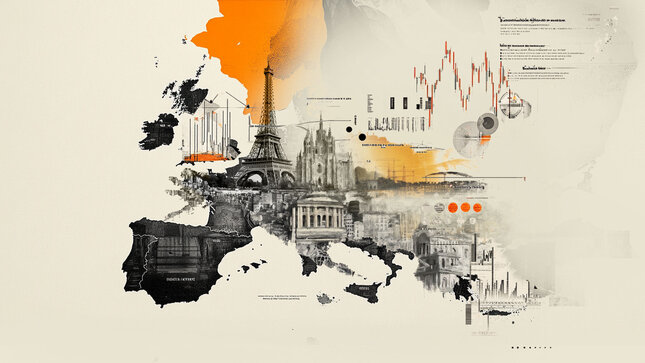
Annual Harmonized Index of Consumer Prices (HICP) in the Eurozone, as measured by changes in the prices of a representative basket of goods and services in the European Monetary Union, rises by 1.7% in January, as expected, slower than 1.9% in December.
💡 DMK Insight
The Eurozone’s HICP rise of 1.7% signals a cooling inflation trend, and here’s why that matters: For traders, this slower inflation rate could influence the European Central Bank’s (ECB) monetary policy decisions. A deceleration from 1.9% to 1.7% might ease pressure on the ECB to hike interest rates aggressively, which could stabilize the euro against other currencies. If the trend continues, we could see the euro strengthen, particularly against the dollar, as markets adjust their expectations for future rate hikes. Keep an eye on the euro’s performance against the dollar; a break above key resistance levels could signal a bullish trend. But don’t overlook the flip side—if inflation remains stubbornly high in subsequent months, the ECB might still feel compelled to act. Traders should monitor upcoming economic indicators closely, especially any shifts in consumer sentiment or employment data, as these could provide clues about future inflation trends. Watch for the next HICP release and any ECB commentary for potential market-moving insights.
📮 Takeaway
Watch the euro’s performance against the dollar; a break above key resistance levels could indicate a bullish trend as inflation cools.