Bitcoin
  Ethereum
  Tether
  XRP
XRP  BNB
BNB  USDC
USDC  Solana
  TRON
TRON  Lido Staked Ether
  Figure Heloc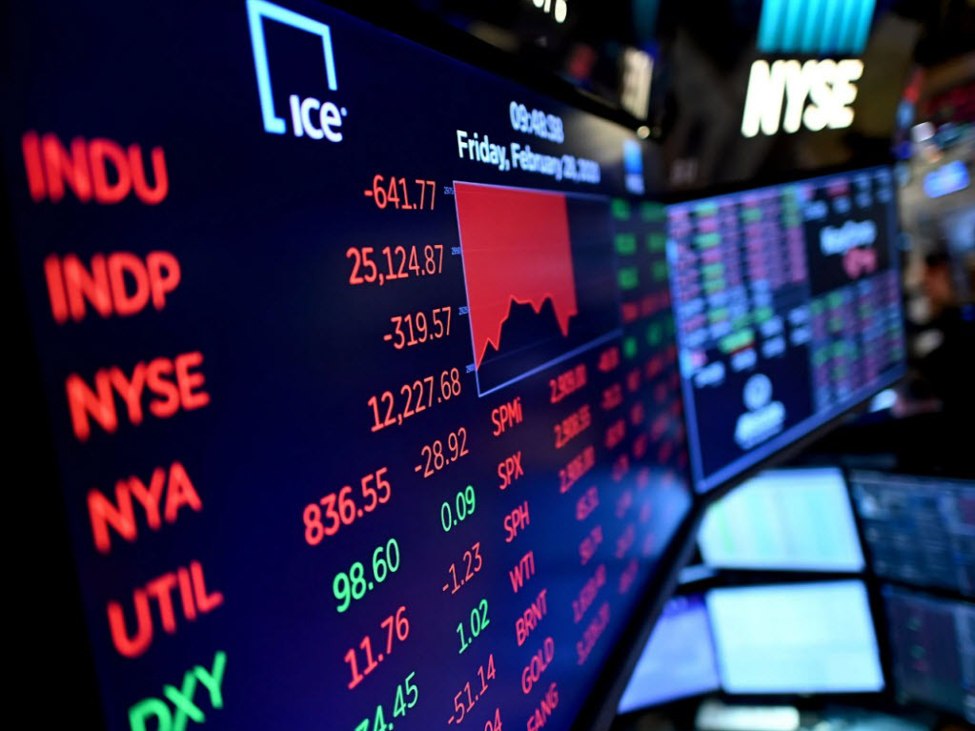
As energy prices continue to stay elevated, there are growing worries that the latest development will derail the economic recovery in Europe. In particular, the German manufacturing sector looked like it was starting to show some signs of life to start the new year. And then, we have all of this happen in the last two to three weeks. What a mess.Inflation worries are back on the menu and the ECB themselves have to now position for interest rate hikes. The latter might even come as soon as April next month.Even if oil shipments are impacting Asian supply more, European countries are facing disruptions to natural gas as Iran is hitting at key energy facilities across the Gulf region. The most notable of course is Qatar, as noted here.All of the negativity is weighing on stocks in region, and the bleeding is continuing today. Here’s a snapshot of things with the monthly performance in brackets:Germany DAX -2.1% (-13.4% month-to-date)France CAC 40 -1.7% (-12.2% month-to-date)Spain IBEX -2.4% (-11.3% month-to-date)Italy FTSE MIB -2.3% (-11.1% month-to-date)The drag looks like it might even get worse for French stocks, with the supportive line from June and August last year potentially set to break.Elsewhere, the DAX is already falling to its lowest level since April last year with little to no key support levels to really pick at. It is really looking rough out there and with Iran still not relenting, the Middle East conflict looks set to drag on. If so, don’t expect much of a reprieve any time soon. That especially as the selling is starting to hit at broader markets on multiple fronts.The monthly double-digit losses in Europe are going to be the worst showing for regional indices since March 2020. Ouch.
This article was written by Justin Low at investinglive.com.
💡 DMK Insight
Energy prices are still high, and here’s why that matters for traders: elevated costs could stifle the fragile recovery in Europe, particularly impacting the German manufacturing sector. If energy prices remain elevated, we could see a slowdown in production, which would ripple through the supply chain and affect related markets like commodities and currencies. Traders should keep an eye on the EUR/USD pair, as any signs of economic weakness in Germany could lead to a bearish sentiment for the euro. Moreover, if the manufacturing sector falters, it could prompt the European Central Bank to reconsider its monetary policy stance, potentially delaying interest rate hikes. This would make the euro less attractive compared to other currencies, leading to volatility in forex markets. Watch for key economic indicators from Germany, particularly manufacturing PMI data, which could provide insight into the sector’s health. If the PMI drops below 50, it could signal contraction, triggering a sell-off in the euro.
📮 Takeaway
Monitor German manufacturing PMI closely; a drop below 50 could signal economic contraction and impact the euro significantly.