Bitcoin
  Ethereum
  Tether
  BNB
BNB  XRP
XRP  USDC
USDC  Solana
  TRON
TRON  Lido Staked Ether
  Figure Heloc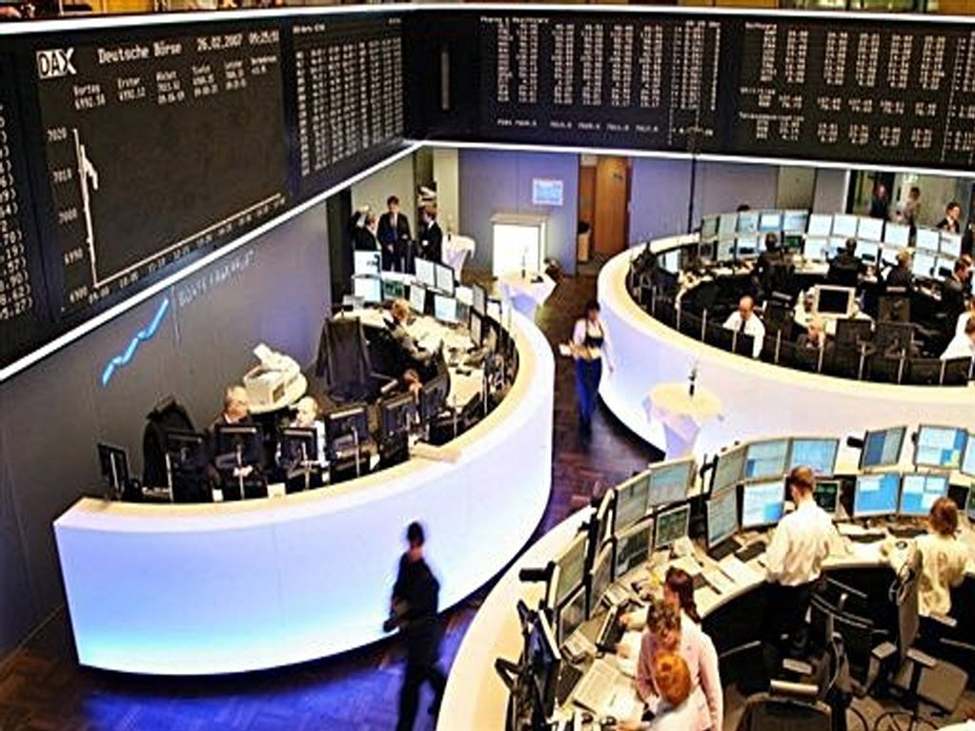
It’s looking rough out there as geopolitical tensions now spill over to economic risks. As Trump raises the stakes on Greenland, he is threatening the EU with fresh 10% tariffs that will be enacted on 1 February. And if things keep this way, he will raise them further to 25% starting 1 June. That is unless “a deal is reached for the complete and total purchase of Greenland”.In turn, the EU is preparing to take their previously shelved tariffs retaliation package worth €93 billion and use that to respond to Trump. Yup, tariffs war is back with a bang. 💥As mentioned earlier here, Goldman Sachs estimates that the tariffs will at least apply a hit on exports of around 1% to 1.5% of euro area GDP. Most analysts are seeing it as a hit between 0.4% to 1.8% of the economy. So, just keep that number floating for a bit when taking into consideration the impact of tariffs on market sentiment.For now, equities are not liking any of it with European stock futures pointing lower across the board:Eurostoxx -1.6%Germany DAX -1.3%France CAC 40 -2.0%UK FTSE -0.5%Similarly, US futures are also down as risk sentiment in general takes a knock:S&P 500 futures -0.9%Nasdaq futures -1.2%Dow futures -0.8%As a reminder though, US markets will be closed today. So, that will spare Wall Street of any “official” pain in the meantime. The thing with geopolitical tensions is that they tend to be faded rather quickly in due time. But when it does spill over to economic conflict, that’s a tougher one to filter out.We’ll now have to see how serious Trump is about sticking to his tariff guns and how far is he willing to use this threat to push the Greenland agenda. And on the EU side of things, it’s about how willing are they to fight tit-for-tat against the US administration on tariffs if things really do progress down this road.
This article was written by Justin Low at investinglive.com.
💡 DMK Insight
Geopolitical tensions are heating up, and here’s why that matters for traders: fresh tariffs could shake markets. Trump’s threat of 10% tariffs on the EU, effective February 1, is a significant move that could trigger volatility across multiple asset classes. Tariffs often lead to inflationary pressures, which can impact currency valuations and commodities. Traders should keep an eye on the EUR/USD pair, as a stronger dollar could emerge if the EU economy takes a hit. Additionally, commodities like oil and gold might react to these tensions, especially if investors seek safe havens. But there’s a flip side: if the tariffs are perceived as a negotiating tactic rather than a long-term strategy, markets might stabilize quickly. Watch for market reactions around February 1, as that date could be pivotal in determining the next moves from both the U.S. and EU. Keep your charts ready for any breakout patterns in the forex market, particularly around key support and resistance levels in the EUR/USD pair.
📮 Takeaway
Monitor the EUR/USD pair closely as February 1 approaches; tariffs could trigger significant volatility in both currencies and commodities.