Bitcoin
  Ethereum
  Tether
  XRP
XRP  BNB
BNB  USDC
USDC  Solana
  TRON
TRON  Lido Staked Ether
  Figure Heloc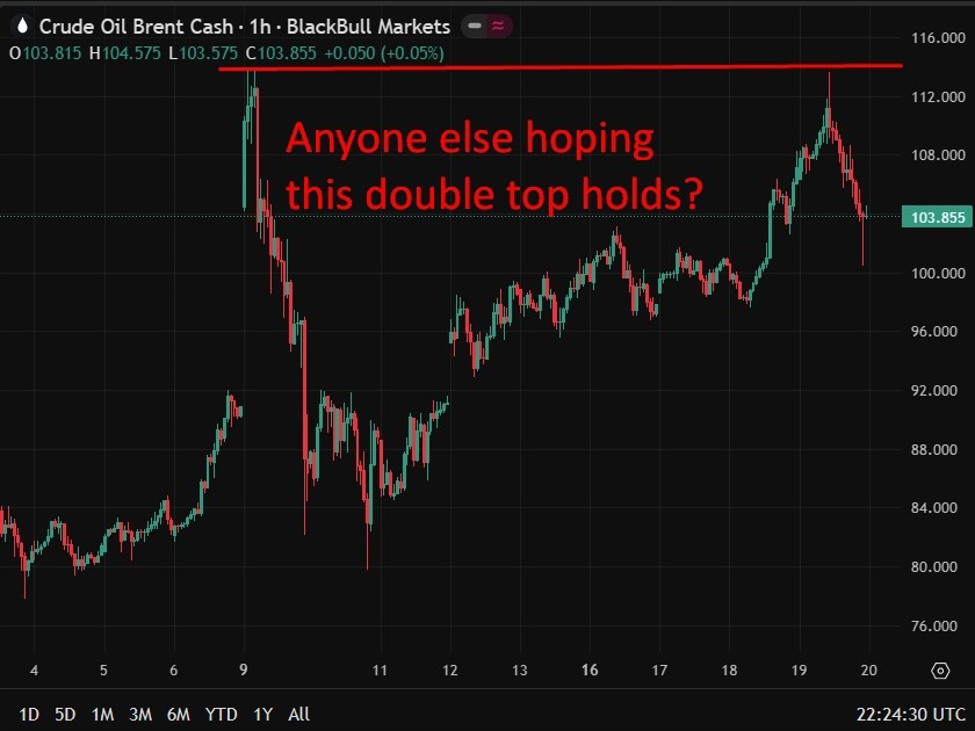
EU urges halt to energy strikes as Middle East tensions threaten supply.Summary:EU leaders call for moratorium on strikes targeting energy and water facilitiesMove aimed at de-escalation amid Iran conflict and rising global risksLeaders stress protection of civilian infrastructure and international lawConcerns growing over impact on global energy supply and economyEU to reinforce naval missions Aspides and AtalantaStrait of Hormuz security remains a key focus for global oil flowsUS pressures allies to step up maritime security roleEnergy infrastructure risks driving market volatility and inflation (eg. Qatar LNG exports cut 17% after Iranian strikes on key gas facilities. Years to repair.)Supply disruptions could tighten global oil and gas marketsEuropean Union leaders have called for a moratorium on military strikes targeting energy and water infrastructure in the Middle East, as concerns grow over the economic fallout from the ongoing Iran conflict. The appeal came in written conclusions following a summit in Brussels, where leaders emphasised the need to de-escalate tensions and protect critical civilian infrastructure.“The European Council calls for de-escalation and maximum restraint, the protection of civilians and civilian infrastructure and full respect of international law by all parties,” the bloc’s 27 leaders said. They specifically urged a halt to attacks on energy and water facilities, highlighting the systemic risks such strikes pose to regional stability and global markets.The call comes as the conflict increasingly threatens key energy supply routes and infrastructure. The Middle East remains central to global oil and gas flows, and disruptions, particularly around the Strait of Hormuz, have already heightened volatility in energy markets. The water infrastructure angle also underscores the potential for broader humanitarian and economic consequences if escalation continues.EU leaders also signalled a stronger security posture, calling for reinforcement of existing naval missions. This includes boosting the Red Sea mission Aspides and the anti-piracy operation Atalanta in the Horn of Africa with additional assets, aimed at safeguarding shipping routes and maintaining freedom of navigation.The push comes amid pressure from U.S. President Donald Trump on allies to take a more active role in securing the Strait of Hormuz, a critical artery through which roughly a fifth of global oil supply passes. European leaders acknowledged ongoing coordination with regional partners and welcomed increased efforts by member states to support maritime security, though they stopped short of committing to a unified expanded role.From a market perspective, the EU’s call reflects rising concern that continued attacks on energy infrastructure could trigger a sustained supply shock. Any disruption to oil and gas facilities, or shipping routes, risks tightening global energy markets, lifting prices and reinforcing inflation pressures.More broadly, the situation highlights how geopolitical tensions in energy-producing regions are transmitted across global financial markets. Supply risks can drive commodity prices higher, influence inflation expectations, and push bond yields and currencies to adjust in response. This dynamic is already evident as markets react to the evolving conflict and its potential to disrupt critical supply chains.The EU’s intervention signals growing urgency among policymakers to contain the economic fallout, though the effectiveness of the proposed moratorium will depend on broader geopolitical alignment and developments on the ground.
This article was written by Eamonn Sheridan at investinglive.com.
💡 DMK Insight
The EU’s call for a moratorium on energy strikes is a critical signal for traders navigating volatile markets right now. With tensions in the Middle East escalating, particularly around Iran, any disruption to energy supplies could lead to significant price spikes in oil and gas. Traders should keep a close eye on crude oil futures, especially if prices approach key resistance levels. A failure to stabilize the situation could trigger a rush to safe-haven assets like gold, which has historically reacted strongly to geopolitical tensions. Moreover, the EU’s emphasis on protecting civilian infrastructure suggests that any further escalation could provoke swift market reactions, impacting not just energy stocks but also broader indices. It’s worth noting that while the EU’s stance aims for de-escalation, the underlying tensions remain unresolved. Traders should monitor the situation closely, especially any announcements from OPEC or related entities that could influence supply dynamics. Watch for crude oil prices around recent highs, as a breach could signal a bullish trend, while a failure to break through may lead to a pullback.
📮 Takeaway
Keep an eye on crude oil prices; a breach of recent highs could signal a bullish trend amid rising Middle East tensions.