Bitcoin
  Ethereum
  Tether
  XRP
XRP  BNB
BNB  USDC
USDC  Solana
  TRON
TRON  Lido Staked Ether
  Figure Heloc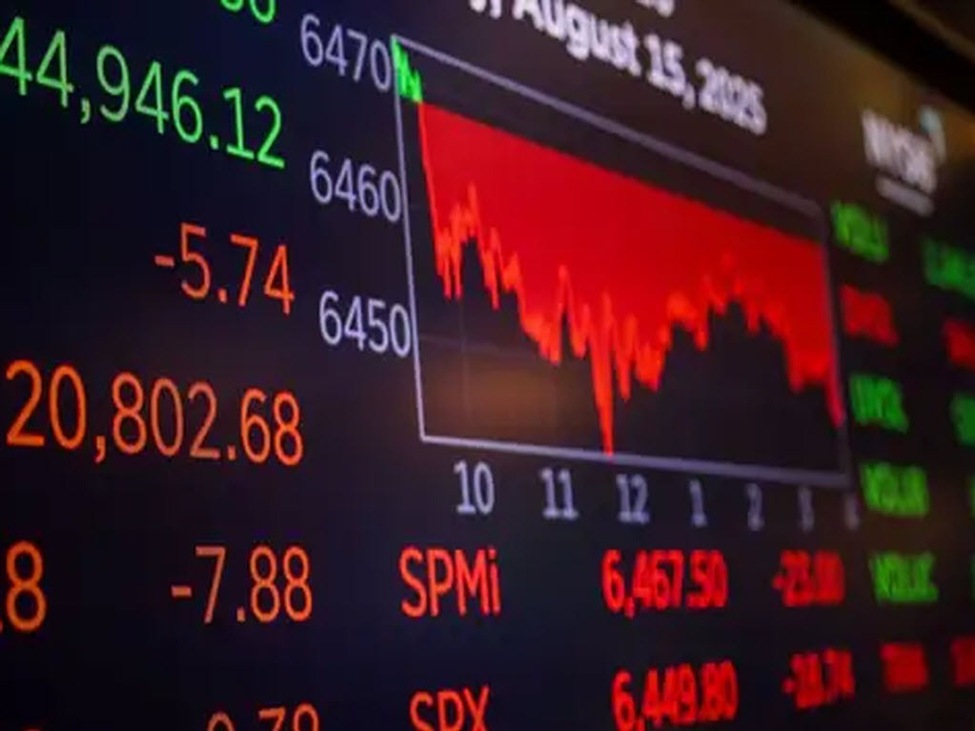
Asian equity markets traded broadly lower, with China and Hong Kong leading declines. The Shanghai Composite fell 0.6%, while the Hang Seng dropped 1.8% alongside similar weakness in the Shenzhen Component (-1.8%) and ChiNext (-2.1%). Japan’s Nikkei 225 also slid 1.8%, mirroring the regional risk-off tone.U.S. futures were steadier, with S&P 500 (ES) and Nasdaq 100 (NQ) contracts up 0.4%, hinting at a firmer Wall Street open despite the soft Asia session.
This article was written by Eamonn Sheridan at investinglive.com.
💡 DMK Insight
Asian equity markets are in a risk-off mood, and here’s why that matters for traders: The declines in China and Hong Kong, particularly with the Shanghai Composite down 0.6% and the Hang Seng dropping 1.8%, signal growing investor caution. This could be a reaction to ongoing economic concerns, including potential regulatory crackdowns and slowing growth in the region. The Nikkei 225’s similar 1.8% slide suggests that this sentiment isn’t isolated to China; it’s a broader regional trend that could spill over into global markets. Traders should be wary of how this risk-off sentiment might affect correlated assets like commodities and currencies, particularly those tied to Asian economies. Watch for key support levels in the Hang Seng and Shanghai Composite; if they break below recent lows, it could trigger further selling. On the flip side, U.S. futures showing steadiness might indicate a divergence, but if Asian markets continue to weaken, expect U.S. indices to eventually follow suit. Keep an eye on the upcoming economic data releases that could sway sentiment further. The immediate focus should be on the Hang Seng’s 19,000 level—if it holds, it might provide a buying opportunity, but a break could lead to more significant declines.
📮 Takeaway
Watch the Hang Seng’s 19,000 level closely; a break could signal further declines, impacting global markets.