Bitcoin
  Ethereum
  Tether
  XRP
XRP  BNB
BNB  USDC
USDC  Solana
  TRON
TRON  Lido Staked Ether
  Figure Heloc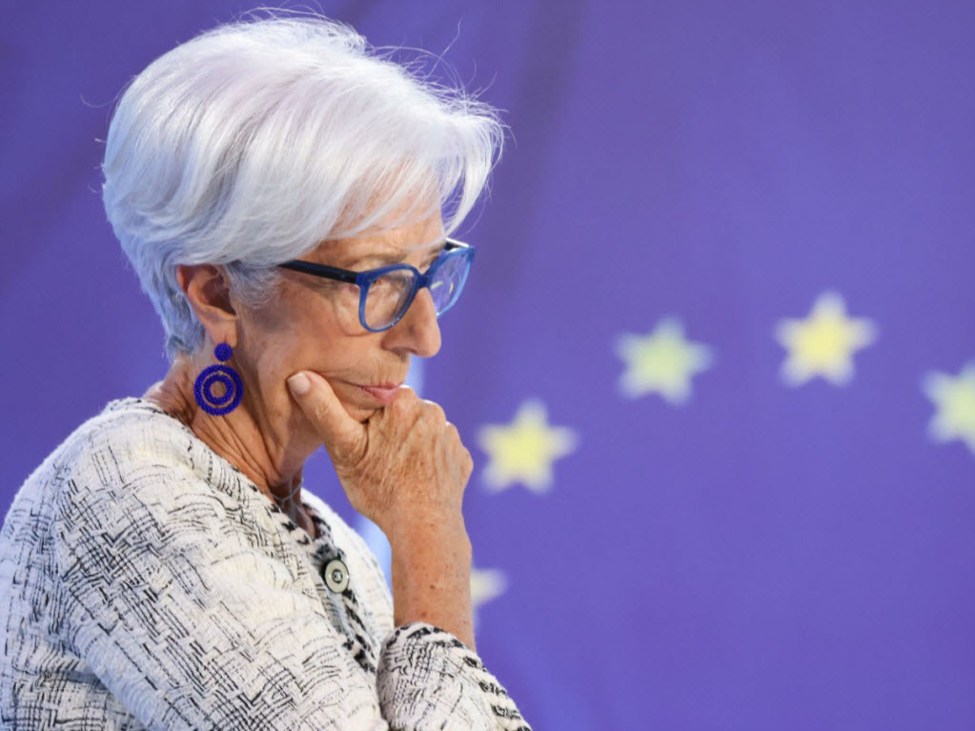
The curtain is coming up on new world orderThe US is behaving very strangely for an allyEuropean countries would be much stronger if they scrapped non-tariff trade barriersWe can do better on growth, productivity and debtEurozone inflation is under controlTariffs would cause a very small upward inflation effectThe German economy would be more impacted than French economy by tariffsMonetary policy is in a good positionECB’s President, Christine Lagarde, spoke at a discussion panel at the World Economic Forum in Davos. She highlighted the shift to a new unpredictable era, a “new world order”, where global cooperation, free trade, and U.S. leadership is being replaced by something more fragmented.She also talked about the Eurozone economy and how scrapping the non-tariff trade barriers would make the European countries much stronger. A “non-tariff barrier” is a rule, regulation, or bureaucratic hoop that a company must jump through to sell its goods in another country.Lagarde reiterated that inflation in the Eurozone is under control and that tariffs will have just a small upward inflation effect. She also added that the German economy would be more impacted by tariffs than the French economy because the German economy is much more reliant on exports.Lastly, she described monetary policy as being in a good position, essentially reiterating their neutral stance as they “wait-and-see” how things evolve in the next months. As a reminder, the ECB brought the policy rate to 2.00% which is right in the middle of their estimated neutral rate range of 1.75%-2.25%. Inflation has been under control for several months now.
This article was written by Giuseppe Dellamotta at investinglive.com.
💡 DMK Insight
The current geopolitical climate is shifting, and here’s why that matters for traders: the U.S. is acting unpredictably, which could impact global trade dynamics. European nations might strengthen their economies by eliminating non-tariff barriers, potentially leading to increased productivity and growth. With Eurozone inflation reportedly under control, traders should keep an eye on how these changes could affect currency pairs, particularly EUR/USD. If tariffs are introduced, even marginally, it could create upward pressure on inflation, which might lead to shifts in monetary policy or market sentiment. But there’s a flip side: while some analysts might see this as a positive for European economies, the potential for trade disputes could lead to volatility in forex markets. Traders should monitor key economic indicators from both the U.S. and Eurozone, especially any announcements regarding tariffs or trade agreements. Watch for the EUR/USD to test key support or resistance levels in the coming weeks, as these geopolitical shifts unfold.
📮 Takeaway
Keep an eye on EUR/USD for potential volatility as geopolitical tensions evolve and watch for any tariff announcements that could impact inflation.