Bitcoin
  Ethereum
  Tether
  BNB
BNB  XRP
XRP  USDC
USDC  Solana
  TRON
TRON  Lido Staked Ether
  Dogecoin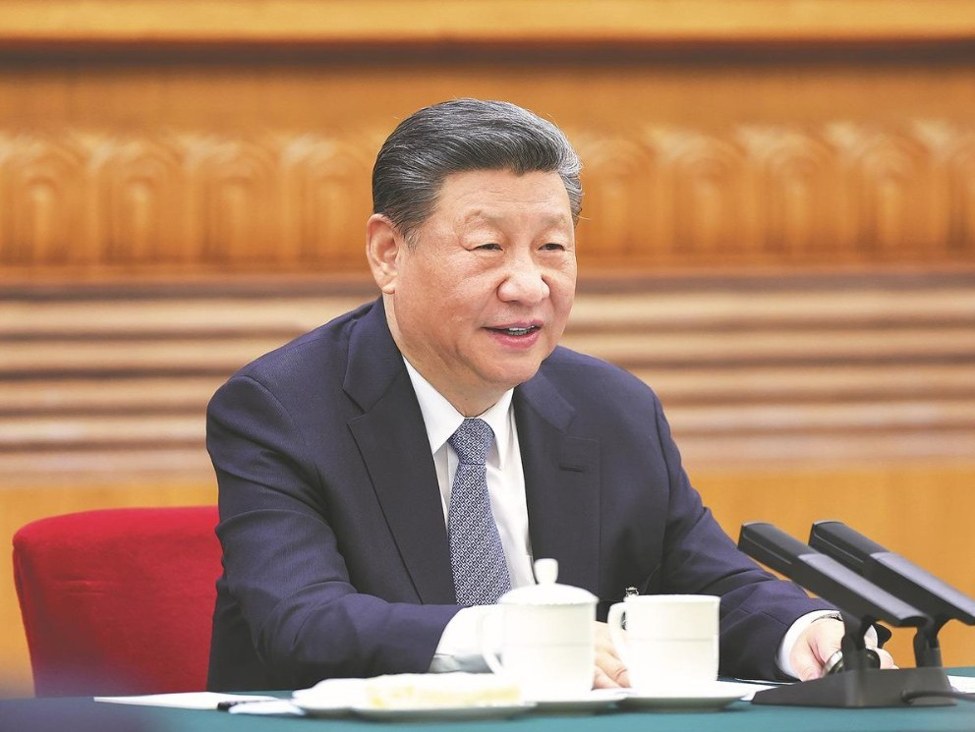
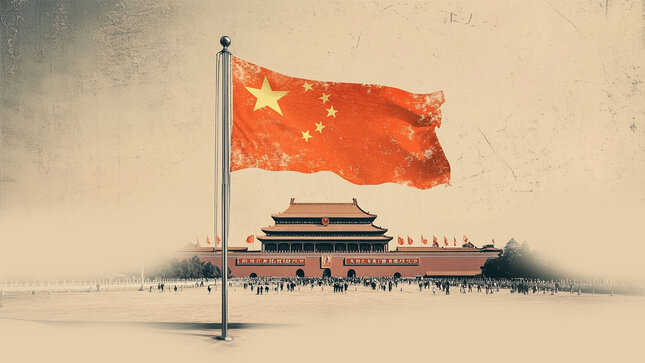
China’s Two Sessions (4–11 March) is shaping up as a “targets + 15th plan signalling” event, more about direction and policy bias than a single mega-stimulus headline.Summary:China’s “Two Sessions” will open in Beijing on 4 March (CPPCC) and 5 March 2026 (NPC), with the headline policy statement coming via the Government Work Report by Premier Li Qiang on 5 March. 2026 is a key “bridge year” into the 15th five-year plan (2026–2030), with authorities preparing plan-related documents for March deliberations and public signalling. Market focus is on whether Beijing marks down the GDP target from “around 5%” to ~4.5%–5%, which would formalise the shift toward “quality/security” framing and lower the bar for big-bang stimulus. A fiscal deficit ratio around ~4% of GDP is widely discussed as the “base case”, with support potentially pushed via special bond issuance / quasi-fiscal channels and targeted spending rather than a headline-deficit surge. Domestic-demand support (trade-ins/vouchers, services consumption, welfare) is expected to feature, but the policy tone is likely to keep emphasising industrial upgrading, innovation and security amid US–China tech friction. Watch for language on the property downturn, local-government finances, and “financial sector serving the real economy” as Beijing tries to lift confidence without reigniting leverage.China’s annual “Two Sessions” will convene in Beijing in early March, with the advisory CPPCC opening on 4 March and the national legislature, the NPC, beginning on 5 March. The focal point for markets is the Government Work Report, delivered by Premier Li Qiang on the NPC’s opening day, which typically sets the year’s headline targets and policy tasks and provides the clearest public read of Beijing’s macro stance. This year matters more than usual because it also serves as the on-ramp to the 15th five-year plan (2026–2030). While the plan’s full detail is built through Party and state processes, officials have already been workshopping plan-related and work-report drafts ahead of March, meaning investors should expect heavier-than-normal signalling on medium-term priorities, especially around industrial upgrading, technology self-reliance and economic security. On the near-term macro call, a key debate is whether Beijing trims the 2026 GDP growth target from “around 5%” to a range closer to 4.5%–5%. A formal step-down would underline the shift toward “high-quality growth” and reduce the political pressure for a large, broad-based stimulus package. Fiscal messaging is likely to balance support and discipline. Analysts broadly look for a headline deficit ratio around recent levels (often discussed near ~4% of GDP), with incremental support delivered through targeted programs and government-linked financing channels rather than a single dramatic deficit expansion. Alongside that, watch for any refreshed language on boosting domestic demand and improving social support, and for cues on how forcefully Beijing wants finance to channel credit into priority “future industries” while containing property and local-debt risks.
This article was written by Eamonn Sheridan at investinglive.com.
💡 DMK Insight
China’s upcoming Two Sessions are crucial for traders, signaling potential shifts in economic policy rather than immediate stimulus. The focus will be on the direction of China’s 15th Five-Year Plan, which could impact sectors like commodities and equities. Traders should keep an eye on how these discussions might influence the yuan and related forex pairs, especially if any unexpected policy changes emerge. Given the current global economic climate, any hints at increased spending or infrastructure investment could lead to a short-term rally in Chinese assets. However, it’s worth noting that if the government leans towards austerity, we could see a bearish reaction across markets. Watch for key statements around March 4-5, as they could set the tone for market sentiment in the weeks ahead. Pay attention to the yuan’s performance against the dollar during this period, as it may reflect traders’ expectations of policy shifts.
📮 Takeaway
Monitor the yuan’s movement against the dollar around March 4-5 for insights into potential policy shifts from China’s Two Sessions.