Bitcoin
  Ethereum
  Tether
  BNB
BNB  XRP
XRP  USDC
USDC  Solana
  TRON
TRON  Lido Staked Ether
  Figure Heloc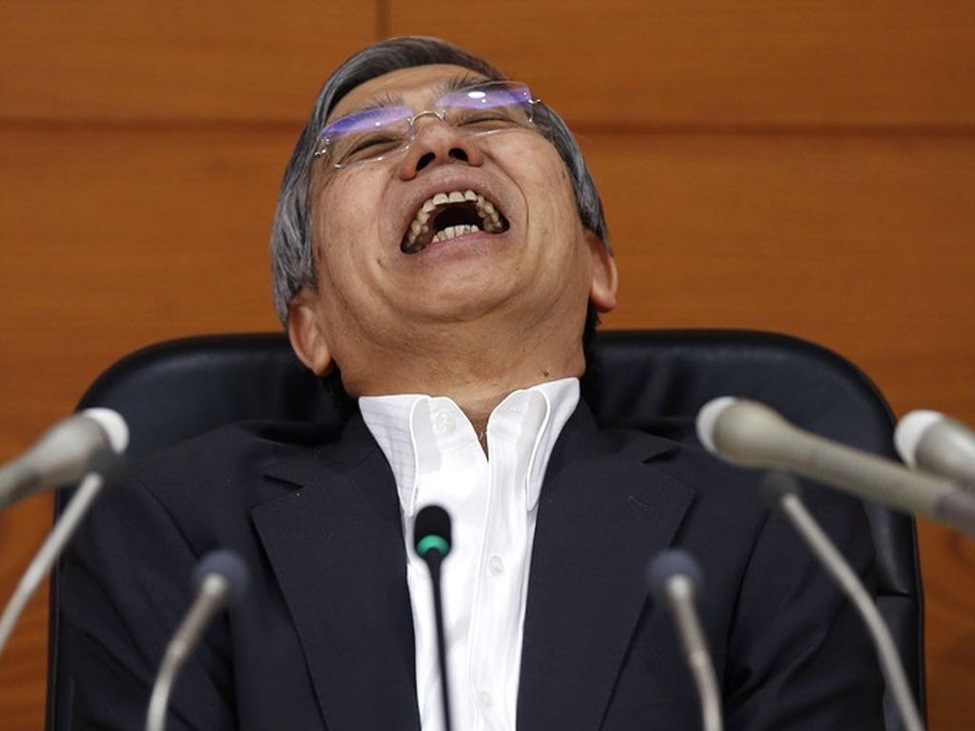
Long time no see, Mr. Kuroda. He spokes to the Asahi newspaper in an interview and shared some of his thoughts on BOJ policy setting at the moment.The BOJ would raise the policy rate in April if you think about it normallyThe US-Iran war would only serve to accelerate interest rate hikesIt should not place a pause on the process of monetary policy normalisationSees no problem in the BOJ raising interest rates by 3-4 times to reach “around 1.50%” in 2027Well, it is always easier to say once you’ve crossed over to the other side. This isn’t the first time we see bolder remarks from former policymakers at the Japanese central bank. They tend to be more vocal and speak with more courage once they’ve left their post. And Kuroda’s remarks above are no exception.His comments speak to a clear, concise, and decisive viewpoint on the BOJ outlook. But if he were to still be at the central bank, you can expect it to be anything but all of that. That as policymakers tend to favour optionality and flexibility, while not wanting to pre-commit to anything so as to not upset markets. It is what it is in this day and age unfortunately.In any case, a move in April is still very much up in the air currently. Traders are pricing in ~63% odds of a rate hike but so far, we’ve not seen Ueda & co. provide much assurances on that.However, the communication drive this week involving the monthly core CPI estimate and revaluing the natural rate of interest perhaps does lean towards trying to justify a rate hike sooner rather than later. That as the spring wage negotiations outcome is setting the stage for the central bank to act.
This article was written by Justin Low at investinglive.com.
💡 DMK Insight
Kuroda’s comments on potential BOJ rate hikes are a game-changer for forex traders right now. If the BOJ raises rates in April, it could strengthen the yen against the dollar, especially if U.S. economic data continues to show weakness. Traders should keep an eye on the USD/JPY pair, as any hints of tightening from the BOJ could trigger a significant shift in sentiment. The broader context here is the ongoing geopolitical tensions, like the US-Iran situation, which could further complicate market dynamics. If investors perceive increased risk, they might flock to safe-haven currencies like the yen, amplifying the impact of any BOJ policy changes. But here’s the flip side: if the U.S. economy shows resilience, the Fed might maintain its current stance, which could dampen any yen strength. So, watch for key economic indicators from both the U.S. and Japan leading up to April. Specifically, keep an eye on the USD/JPY level around 130; a break below could signal a stronger yen, while a hold above may indicate continued dollar strength.
📮 Takeaway
Monitor the USD/JPY pair closely; a potential BOJ rate hike in April could shift market dynamics significantly, especially if geopolitical tensions escalate.