Bitcoin
  Ethereum
  Tether
  BNB
BNB  XRP
XRP  USDC
USDC  Solana
  TRON
TRON  Lido Staked Ether
  Figure Heloc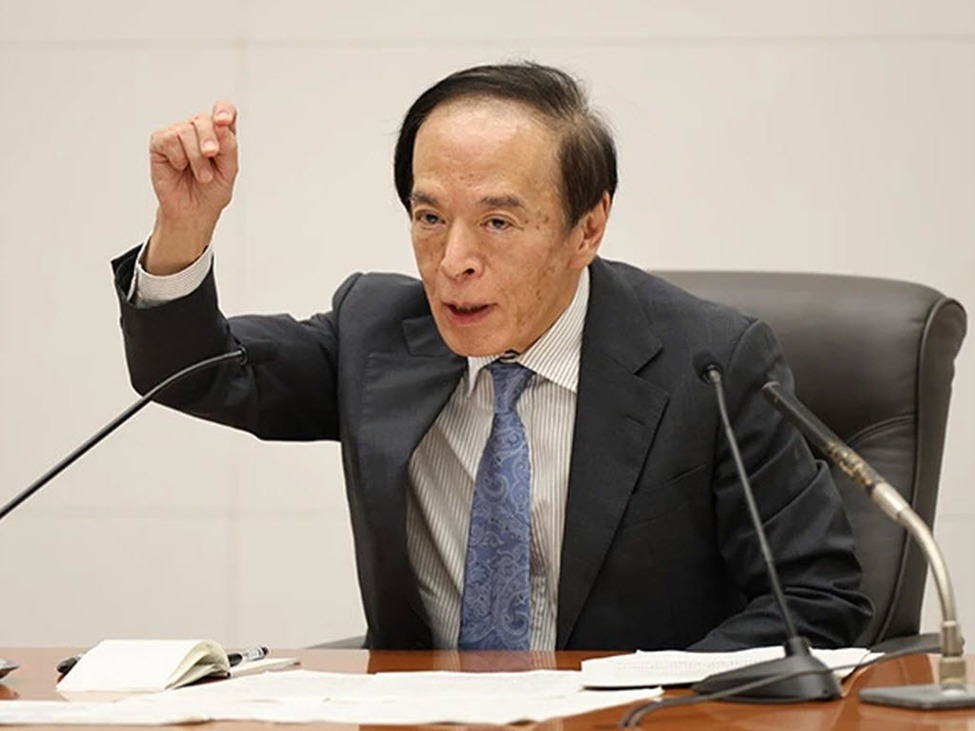
The BOJ looks set to keep rates steady for now while signalling a tightening bias as yen weakness and fiscal uncertainty lift inflation risks. Reuters preview summarised. Summary:BOJ expected to hold policy rate at 0.75%Growth outlook for fiscal 2026 likely revised higherYen weakness and wage gains keep inflation risks aliveSnap election complicates policy messagingApril rate hike seen as possible if yen slides furtherThe Bank of Japan is expected to keep its policy rate unchanged at 0.75% at the conclusion of its January meeting on Friday, while signalling readiness to lift borrowing costs further as a weaker yen and resilient wage growth keep inflation risks elevated.Policymakers are widely expected to revise up their growth outlook for fiscal 2026, according to sources, reflecting support from government stimulus and a waning drag from US tariffs. However, the BOJ is unlikely to alter its projected timeframe for sustainably achieving its 2% inflation target, which it currently sees materialising around October or in the latter half of the fiscal year starting in April.Markets will focus closely on Governor Kazuo Ueda’s post-meeting briefing for guidance on how the central bank balances the need to arrest further yen depreciation without fuelling additional rises in government bond yields. The task has been complicated by Prime Minister Sanae Takaichi’s decision to call a snap election for February and her pledge to loosen fiscal policy through tax cuts and higher spending.Since Takaichi took office in October, the yen has weakened roughly 8% against the dollar, briefly touching an 18-month low near 159.5 last week, while concerns over Japan’s fiscal outlook have driven the 10-year government bond yield to multi-decade highs. Although the currency has since stabilised, its downtrend continues to push up import costs and consumer prices.Some analysts argue that expansionary fiscal policy could add to inflationary pressure and strengthen the case for further tightening. Others caution that a strong election mandate may embolden reflation-minded advisers who favour keeping rates low to support growth.Sources told Reuters that some BOJ policymakers see scope for an earlier move, with April not ruled out if yen weakness persists. While most economists still expect the next hike around July, markets increasingly see foreign-exchange dynamics as a critical trigger for the BOJ’s next step.
This article was written by Eamonn Sheridan at investinglive.com.
💡 DMK Insight
The BOJ’s decision to maintain rates at 0.75% signals a cautious approach amid rising inflation risks, and here’s why that matters right now: With the yen’s weakness and increasing wage pressures, traders should be on alert for potential shifts in monetary policy. A steady rate could indicate that the BOJ is prioritizing economic stability over aggressive tightening, but the mention of a tightening bias suggests they’re not completely off the table. This could lead to volatility in the forex markets, particularly for USD/JPY, where traders should watch for levels around 150.00 as a potential breakout point. If the yen continues to weaken, we might see a push towards that level, which could trigger further selling pressure on the yen. On the flip side, if inflation risks materialize more aggressively than expected, the BOJ might have to act sooner than anticipated, which could catch many off guard. Keep an eye on wage growth data and inflation indicators in the coming weeks, as these will be key in shaping market sentiment and trading strategies moving forward.
📮 Takeaway
Watch USD/JPY closely around 150.00; a breakout could signal further yen weakness amid BOJ’s tightening bias.