Bitcoin
  Ethereum
  Tether
  BNB
BNB  XRP
XRP  USDC
USDC  Solana
  TRON
TRON  Lido Staked Ether
  Figure Heloc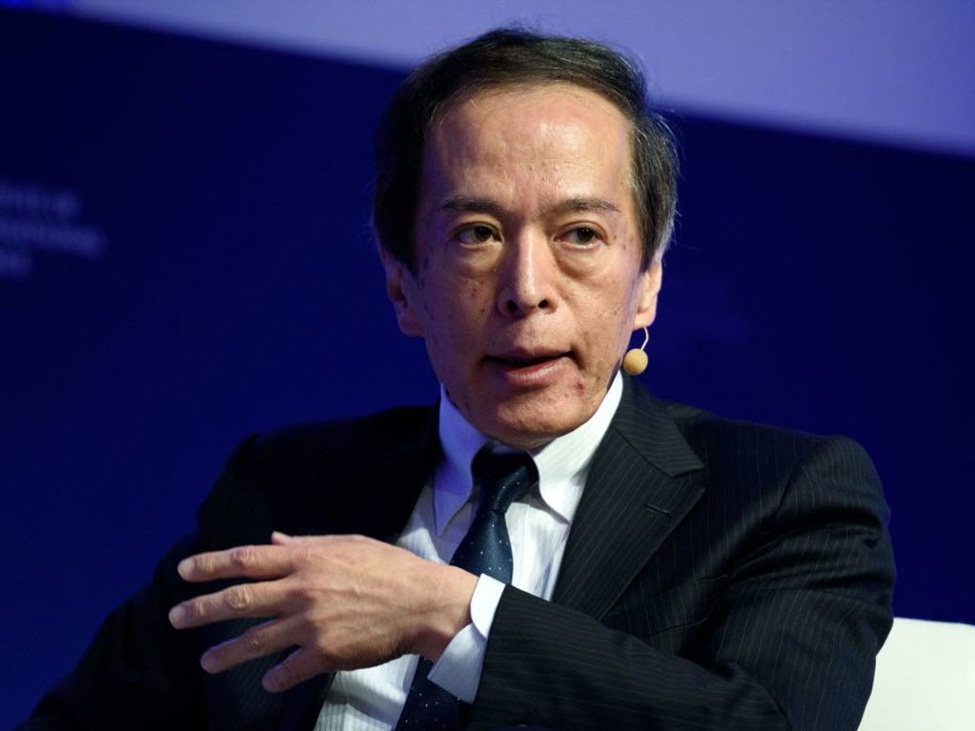
Tight labour market, firmer wages will keep in place cycle in which wages and prices rise in tandemTemporary freeze to food sales tax may briefly push down inflationBut it is likely to have a limited impact on inflation expectations as a wholeBOJ will guide monetary policy appropriately to stably achieve inflation target accompanied by wage gainsHe’s mostly commenting after we got the initial outcome of the spring wage negotiations. From yesterday: Japan’s largest union group Rengo sees average wage hike of 5.26% this fiscal yearThat will mark the third straight fiscal year in which Japan sees average wage hikes of above 5%. That pretty much gives the green light and confirmation to the BOJ if they so desire to act. However, the US-Iran conflict has served to complicate things more so than it already was before.The BOJ was already squaring off against prime minister Takaichi in pursuing a differing policy path that the government wants. So, the latest developments in the Middle East piles on top of that now.As Ueda mentions, the central bank wants inflation to be largely driven by stronger wage pressures. However, higher oil prices now will serve to bring up cost-push inflation instead. And that is something that the BOJ wants to actively avoid from happening or at least not rely on to push the rate hike narrative.Besides that, USD/JPY bordering on the 160 mark will also make a rate hike look like one just to address the yen weakness. And that will be another play on optics that Ueda & co. will be hoping to side step for the time being.
This article was written by Justin Low at investinglive.com.
💡 DMK Insight
The tight labor market and rising wages are key indicators for traders to watch right now. As wages increase, consumer spending typically follows, which can lead to higher inflation. This cycle of rising wages and prices could pressure central banks to adjust monetary policies, impacting forex and crypto markets. The temporary freeze on food sales tax might offer a short-term reprieve for inflation, but its limited effect on overall inflation expectations suggests traders should brace for sustained price pressures. Look for how these dynamics play out in the coming weeks, especially as the Bank of Japan (BOJ) signals its monetary policy direction. If the BOJ takes a more hawkish stance, it could strengthen the yen against other currencies, affecting forex positions. Keep an eye on key economic indicators like wage growth and consumer spending data, as these will be crucial in shaping market sentiment and trading strategies.
📮 Takeaway
Watch for BOJ’s monetary policy shifts and monitor wage growth data closely, as these will influence forex and crypto market movements.