Bitcoin
  Ethereum
  Tether
  XRP
XRP  BNB
BNB  USDC
USDC  Solana
  TRON
TRON  Lido Staked Ether
  Figure Heloc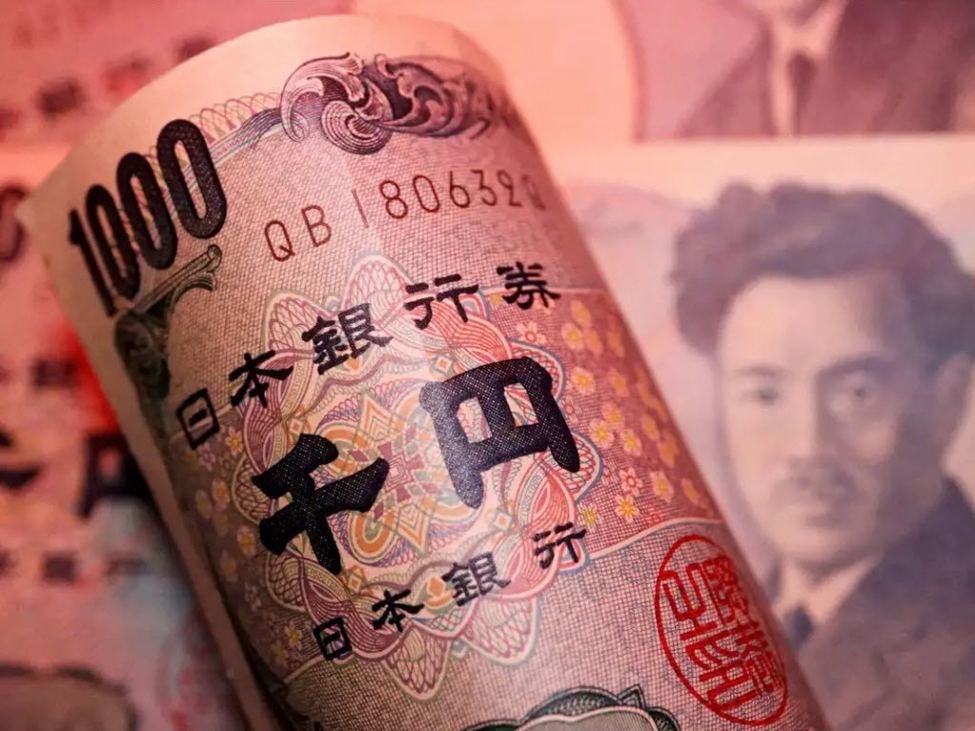
Before the Middle East conflict, underlying data showed that we are “on track”All things being equal, surging oil prices can push up inflation and curb economic outputA rate hike is still possible if economic downturn proves to be temporary, doesn’t affect underlying inflationWe held rates steady this month since we put emphasis on lower visibility on likelihood of achieving inflation targetUnderlying inflation is gradually accelerating towards our 2% target but it is not fixedWe are some distance from the target inflation rate still nowThe main takeaway from Ueda and the BOJ today is that they would like to be in a position to tee up the next rate hike. However, the Middle East situation in the past two weeks have certainly complicated things.Even if it pushes up price pressures, it is not the kind the BOJ really wants. The central bank wants inflation driven by rising wage pressures and not cost-push factors, such as higher energy prices. So, they’re very much in a dilemma now.And much like what all central banks want to play for at this point in time, Ueda is stressing a lot on optionality. Even if the market volatility and added uncertainty to the outlook, he still says that the central bank could hike even during a “temporary” downturn in the economy.In his previous communication stance, he has only went as far as saying that they will continue to raise interest rates “if the economy, prices move in line with forecasts”. So, to switch it up a bit goes to show that the central bank still has the appetite but only under the right circumstances.If not careful, I’m afraid the BOJ might have missed their timing on this one. They barely got in the October move as Takaichi was still consolidating her fiscal planning. And in now wanting to wait for the outcome of the spring wage negotiations, they might’ve just let it all slip by this time around.
This article was written by Justin Low at investinglive.com.
💡 DMK Insight
Oil prices are surging, and here’s why that matters for traders: rising costs can stoke inflation fears, impacting central bank policies. With the Middle East conflict escalating, traders should keep an eye on how this affects oil supply and, consequently, inflation metrics. If inflation rises, the Fed may be forced to reconsider rate hikes sooner than expected, which could lead to volatility in both the forex and crypto markets. Watch for key economic indicators like the CPI and PCE in the coming weeks, as they could signal whether the Fed’s current stance remains tenable. Additionally, if oil prices continue to climb, expect related assets like energy stocks and commodities to react strongly, potentially creating trading opportunities. On the flip side, if the economic downturn proves more persistent, it could lead to a risk-off sentiment, pushing traders toward safe havens like gold or the USD. Keep an eye on the $80 mark for oil; a sustained break above could trigger broader market implications.
📮 Takeaway
Monitor oil prices closely—if they break above $80, expect potential shifts in inflation data and central bank policies that could impact your trading strategies.