Bitcoin
  Ethereum
  Tether
  BNB
BNB  XRP
XRP  USDC
USDC  Solana
  TRON
TRON  Lido Staked Ether
  Figure Heloc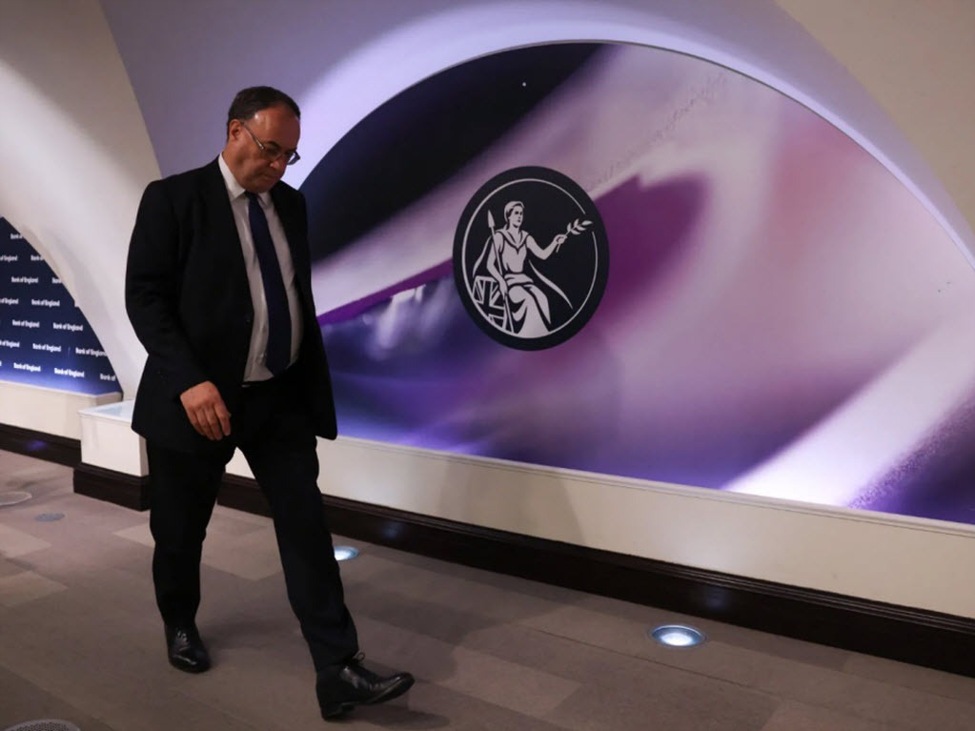
Threat to the Federal Reserve risks spillover effectsThere is a very substantial scope for spilloverFed Chair Powell is a friend of mine and a man of the utmost intergrityDon’t see the same threats to the BoESo far, we have seen more hedging of Dollar positions rather than investors saying they don’t want DollarsBoE Governor Bailey warned that the loss of Fed independence risks spillover effects. Such an event wouldn’t impact just the US markets, but would have a negative impact on the global financial system. In fact, in case the Fed were to lose independence, the US Dollar would sink and this would have consequences for other central banks too as they will need to manage the extreme volatility of their own currencies.Moreover, borrowing costs would likely surge not only in the US but in all other advanced economies. US Treasury yields are the benchmark “risk-free rate” upon which global debt is priced. If markets believe the Fed has lost its independence, they will demand a higher risk premium for everyone raising interest rates and negatively impacting the economies.Bailey also talked about the current de-dollarisation narrative. He said that so far there’s just been more hedging instead of investors outright avoiding the US Dollar. The greenback has been mainly driven by Fed’s policy expectations. In fact, in 2024 the long Dollar positioning reached an extreme following Trump’s election. The market turned very hawkish on the Federal Reserve and those expectations kept the USD strong. In 2025 though, Trump started to rattle markets with his tariffs agenda that culminated with the Liberation Day in April. The selloff in the US Dollar was just caused by the unwinding of extreme long dollar positions and then on the expectations of Fed rate cuts.
This article was written by Giuseppe Dellamotta at investinglive.com.
💡 DMK Insight
The Fed’s current stance is creating ripples, and here’s why traders need to pay attention: With Powell’s comments indicating a lack of immediate threats to the U.S. economy, traders might be lulled into complacency. However, the hedging of Dollar positions suggests that market participants are bracing for potential volatility. This could signal underlying concerns about inflation or geopolitical tensions that could impact the Dollar’s strength. If the Fed’s policies shift unexpectedly, it could lead to significant moves in forex pairs, especially against the Euro and Yen, which are already sensitive to U.S. monetary policy. Traders should keep an eye on the Dollar Index (DXY) as it approaches key support levels. A break below these levels could trigger a wave of selling, impacting not just the Dollar but also commodities priced in USD. Moreover, watch for any shifts in sentiment from institutional investors, as their moves often precede broader market trends. The next Fed meeting will be crucial—any hints of tightening could lead to a sharp reaction across the board.
📮 Takeaway
Monitor the Dollar Index closely; a break below key support could signal significant volatility in forex markets and impact related assets.