Bitcoin
  Ethereum
  Tether
  BNB
BNB  XRP
XRP  USDC
USDC  Solana
  TRON
TRON  Lido Staked Ether
  Figure Heloc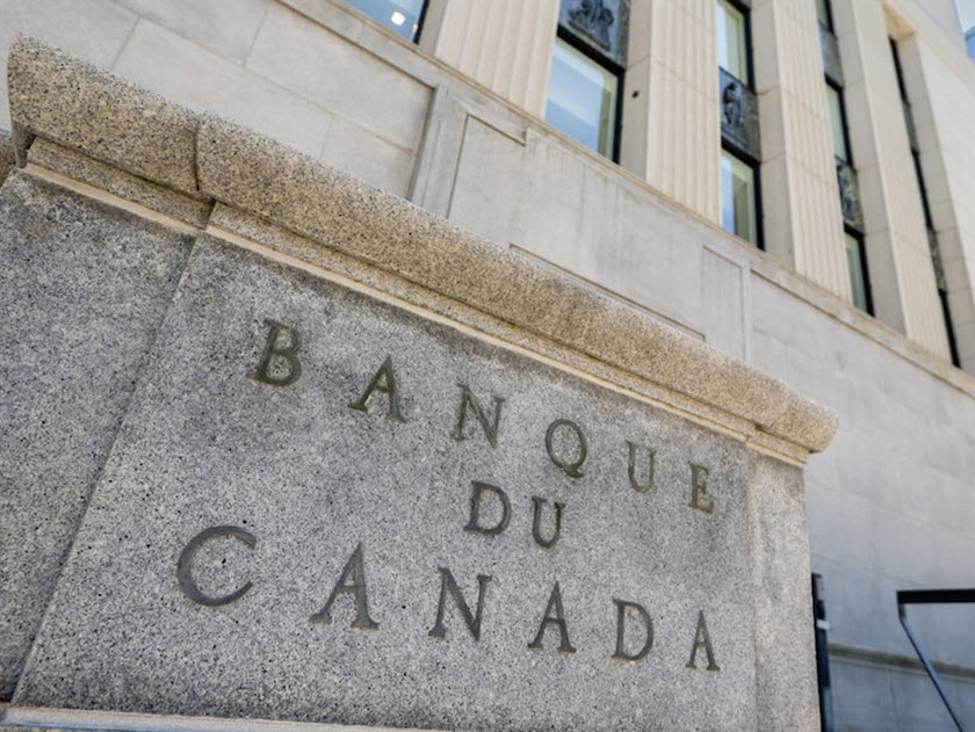
Policy rate held at 2.25%, with Governing Council judging current settings as appropriate and at the lower end of neutral after 100 bp of cuts earlier in 2025Canadian economy showing resilience, supported by upward GDP revisions, though Q4 growth expected to soften and data volatility remains highLabour market improving but still mixed, with unemployment down to 6.5%, hiring concentrated in part-time jobs, and subdued business hiring intentionsInflation near target, with CPI at 2.2% and underlying inflation around 2.5%; near-term bumps expected from base effects but medium-term outlook unchangedHigh uncertainty persists, led by CUSMA trade risks and global trade reconfiguration; policy remains fully data-dependent with no clear bias on the next moveGlobal backdropGlobal growth remains resilient despite rising US protectionismUS economy: Consumer spending and AI investment continue to support growth, but government shutdown data gaps add uncertaintyUS inflation risks tilted slightly higher due to possible tariff pass-throughEurozone growth stronger than expected, led by services; defense spending could offset manufacturing pressureChina growth remains weak, with exports offsetting soft domestic demandFinancial conditions, oil prices, and CAD broadly unchanged vs October MPRCanadian growth outlookGDP revisions show Canada entered 2025 on firmer footing than previously estimatedQ3 GDP +2.6%, stronger than expected, driven mainly by lower imports, not domestic strengthFinal domestic demand flat, with weakness in business investment and consumptionQ4 growth expected to be soft, with housing, consumption, and government spending offsetting weak exports and capexData volatility remains high, with risk of further revisions due to missing US trade dataLabour marketNovember employment gains encouraging, pushing unemployment down to 6.5%Labour signals mixed:Job growth concentrated in part-time employmentTrade-exposed sectors stabilized, but at lower levelsVacancies low and business hiring intentions subduedInflation assessmentHeadline CPI eased to 2.2% (October), in line with expectationsCore inflation measures at 2.5%–3%, with underlying inflation seen near 2.5%Near-term CPI expected to tick higher due to base effects from last year’s GST/HST holidayMedium-term inflation outlook unchanged, with slack offsetting trade-related cost pressuresCore inflation expected to ease graduallyKey risks and structural issuesCUSMA review seen as a major downside risk for business investmentTrade uncertainty weighing heavily on corporate decision-makingStructural trade reconfiguration adds uncertainty across regions and sectorsFiscal and industrial policy seen as primary tools, as monetary policy cannot restore lost supplyLess slack than previously thought, but economy still in excess supplyPolicy decision and biasPolicy rate held at 2.25%, following 100 bp of cuts earlier in 2025Current rate judged appropriate, sitting at the lower end of neutralSupports growth while keeping inflation containedNo clear bias toward the next move—direction and timing remain data-dependentGoverning Council prepared to respond if incoming data materially diverges from the outlookBottom lineEconomy showing resilience, but uncertainty remains elevatedInflation broadly on track, with near-term noise but stable medium-term expectationsPolicy firmly on hold, with flexibility preserved as Canada navigates trade-driven structural change
This article was written by Greg Michalowski at investinglive.com.
💡 DMK Insight
The Bank of Canada’s decision to hold the policy rate at 2.25% is a signal of cautious optimism amid economic resilience. With previous cuts totaling 100 basis points in 2025, the central bank seems to believe that the current rate is appropriate, albeit at the lower end of neutral. This suggests they’re balancing growth with inflation concerns. The upward revisions in GDP indicate that the economy is performing better than expected, but the anticipated softening in Q4 growth and high data volatility could create trading opportunities. Traders should keep an eye on the labor market improvements, as these could influence future rate decisions. However, there’s a flip side: if Q4 growth does indeed soften, it could lead to renewed speculation about further cuts, impacting the Canadian dollar and related assets. Watch for any shifts in economic indicators, particularly employment data and GDP revisions, as these could signal the next moves for the BoC and the broader market.
📮 Takeaway
Monitor Canadian economic indicators closely, especially Q4 GDP and labor market data, as they could influence future rate decisions and market volatility.