Bitcoin
  Ethereum
  Tether
  XRP
XRP  BNB
BNB  USDC
USDC  Solana
  TRON
TRON  Lido Staked Ether
  Figure Heloc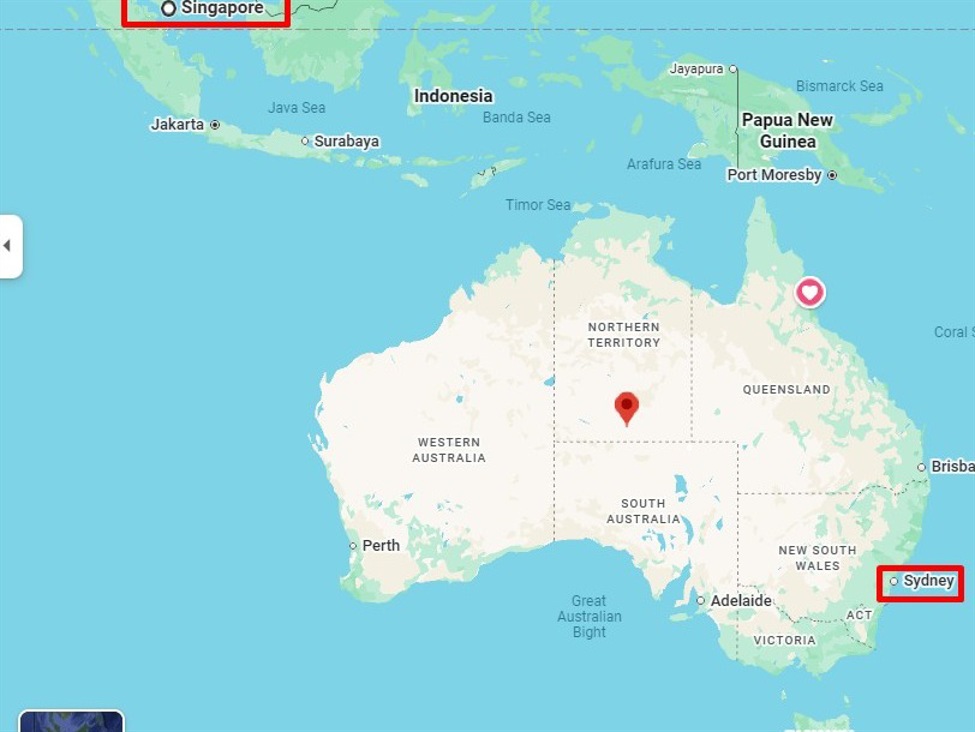
Australia turns to Singapore for fuel security as Hormuz disruption tightens supply.Summary:PM Anthony Albanese in Singapore to secure fuel supply amid Hormuz disruption
Singapore supplies ~55% of Australia’s petrol imports (South Korea supplies ~22% and India~11.5%)
Australia imports ~84% of refined fuel, highlighting vulnerability
Domestic diesel shortages already impacting mining and agriculture
Singapore refining hub also under strain due to crude supply disruption
Australia supplying ~1/3 of Singapore’s LNG, reinforcing mutual dependency
Broader regional coordination underway as Asia scrambles for energy security
Australia is intensifying efforts to secure fuel supplies as the disruption to global energy flows caused by the Middle East conflict exposes the country’s heavy reliance on imported refined products.Prime Minister Anthony Albanese is in Singapore for high-level talks with his counterpart Lawrence Wong, with energy security at the top of the agenda. The visit underscores the strategic importance of Singapore, which serves as Australia’s largest supplier of petrol and a key provider of diesel and jet fuel.The timing reflects growing urgency. With the Strait of Hormuz effectively shut and shipping activity still severely constrained despite a fragile ceasefire, supply chains across Asia remain under pressure. For Australia, the risks are particularly acute given its limited domestic refining capacity and high dependence on imports.Australia consumes roughly one million barrels of oil per day and imports the vast majority of its refined fuel needs. Over time, domestic refining capacity has declined sharply, leaving Australia reliant on regional hubs such as Singapore. Recent data shows that more than half of Australia’s petrol imports originate from Singapore alone, with additional supply coming from South Korea and India.The strain is already being felt domestically. Tight diesel supplies, critical for transport, mining, and agriculture, are beginning to impact key sectors of the economy. Australia’s geographic scale and distribution challenges amplify these pressures, making supply disruptions more difficult to manage.Singapore, while a critical partner, is not immune to the broader shock. As one of Asia’s largest refining centres, it depends on crude flows that have been disrupted by the conflict, limiting its ability to fully offset shortages elsewhere in the region.The relationship between the two countries is mutually reinforcing. Australia supplies a significant share of Singapore’s liquefied natural gas imports, creating a degree of interdependence that policymakers are now leaning on in a period of heightened stress.Canberra has also expanded engagement across the region, holding discussions with multiple Asian partners to diversify supply sources and ensure continuity.In effect, the episode highlights a structural vulnerability: Australia’s exposure to external supply shocks in refined fuels. While diplomatic efforts may ease near-term pressures, the broader lesson points to the importance of supply diversification and resilience in an increasingly fragmented global energy landscape.
This article was written by Eamonn Sheridan at investinglive.com.
💡 DMK Insight
Australia’s fuel supply strategy is shifting, and here’s why that matters for traders: With PM Anthony Albanese securing fuel imports from Singapore due to disruptions in the Hormuz Strait, this move underscores Australia’s heavy reliance on foreign refined fuel—about 84% of its needs. The fact that Singapore accounts for roughly 55% of these imports raises concerns about supply chain vulnerabilities, especially as domestic diesel shortages are already affecting the mining sector. Traders should be aware that any further disruptions could lead to increased fuel prices, impacting transportation costs across various sectors. Look for potential ripple effects in related markets, particularly energy stocks and commodities. If fuel prices spike, sectors like transportation and logistics could see margin pressures, which might trigger sell-offs. Keep an eye on the Australian dollar as well; fluctuations in fuel prices could influence its value against major currencies. Watch for key price levels in crude oil and refined products, as any sustained increase could signal broader inflationary pressures. The immediate focus should be on how these developments unfold in the coming weeks, especially with the mining sector already feeling the pinch.
📮 Takeaway
Monitor crude oil price movements closely; any sustained increase could impact the Australian dollar and related sectors significantly in the coming weeks.