Bitcoin
  Ethereum
  Tether
  XRP
XRP  BNB
BNB  USDC
USDC  Solana
  TRON
TRON  Lido Staked Ether
  Figure Heloc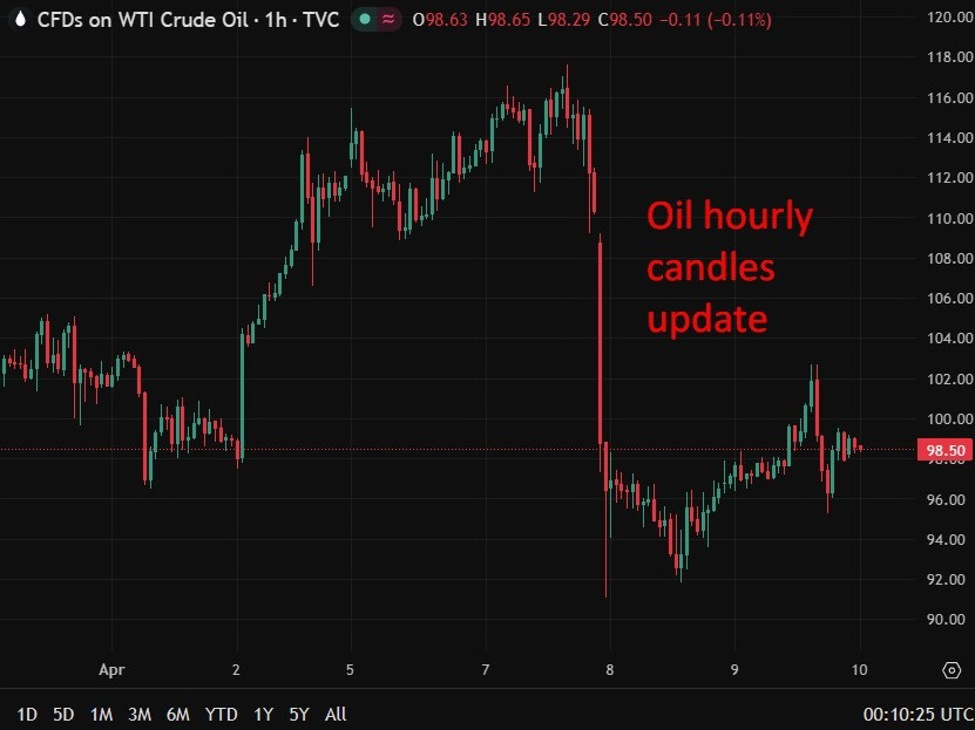
ADB warns prolonged Middle East disruptions could significantly slow Asia growth and drive a sharp rise in inflation.Summary:ADB warns Asia-Pacific growth could slow sharply if Middle East disruptions persist
Growth seen at 4.7% in 2026 under prolonged disruption vs ~5.1% baseline
Region could lose 1.3pp of growth over 2026–27 if conflict drags on
Inflation projected to surge to 5.6% under worst-case scenario
Fragile ceasefire and Hormuz risks remain key uncertainty
Energy shock seen as major threat to region’s economic trajectory
Policy focus: inflation control, financial stability, energy diversification
Developing Asia and the Pacific faces a meaningful slowdown in growth alongside a renewed inflation surge if disruptions linked to the Middle East conflict persist, according to the Asian Development Bank.In its latest outlook, the ADB warns that the region’s economic trajectory is increasingly tied to the duration and severity of energy supply disruptions. Under a scenario where instability continues through the third quarter, growth across the region is projected to slow to around 4.7% in 2026, down from 5.4% previously, while inflation could accelerate sharply to 5.6%.The risks extend beyond a single year. If the conflict drags on for a full 12 months, the ADB estimates the region could lose approximately 1.3 percentage points of growth across 2026 and 2027 combined. This would mark a significant setback for a region that has been a key engine of global economic expansion.The warning comes against a backdrop of a fragile ceasefire and ongoing uncertainty around energy flows, particularly through the Strait of Hormuz. The waterway typically handles around one-fifth of global oil trade, and any sustained disruption has already driven sharp increases in oil and gas prices, feeding directly into regional inflation pressures.The ADB emphasised that the current environment represents a major test for Asia’s growth model, which remains highly sensitive to imported energy costs and global trade conditions. While a shorter disruption would result in only a modest slowdown—with growth closer to 5.1% and inflation more contained—the probability of a prolonged shock appears to be rising.Officials highlighted that markets themselves are signalling scepticism about the durability of the ceasefire, adding to the difficulty of forecasting the outlook. The persistence of elevated energy prices and supply uncertainty is already tightening financial conditions and weighing on business and consumer confidence.In response, policymakers are being urged to prioritise inflation containment and financial stability in the near term, while accelerating longer-term efforts to diversify energy sources and improve efficiency. The broader message is clear: Asia’s growth outlook remains resilient, but increasingly vulnerable to external shocks, with the Middle East conflict now a central risk factor.
This article was written by Eamonn Sheridan at investinglive.com.
💡 DMK Insight
The ADB’s warning about Middle East disruptions is a wake-up call for traders: inflation and growth are at stake. If these disruptions continue, Asia’s growth could drop from 5.1% to 4.7% by 2026, which is a significant shift. This slowdown could ripple through commodities, particularly oil, as supply chain issues and geopolitical tensions often lead to price spikes. Traders should keep an eye on inflation indicators and central bank responses, as rising prices could force tighter monetary policies. The potential loss of 1.3 percentage points in growth over 2026-27 suggests that sectors tied to consumer spending might face headwinds, impacting equities and currencies in the region. Here’s the thing: while mainstream coverage focuses on immediate impacts, the longer-term implications for trade balances and currency valuations could be even more significant. Watch for key economic data releases from major Asian economies and any shifts in oil prices, as these will be crucial for gauging market sentiment and positioning ahead of potential volatility.
📮 Takeaway
Monitor inflation indicators and oil prices closely; prolonged Middle East disruptions could lead to significant market shifts in Asia’s growth and inflation rates.