Bitcoin
  Ethereum
  Tether
  BNB
BNB  USDC
USDC  XRP
XRP  Solana
  TRON
TRON  Lido Staked Ether
  Figure Heloc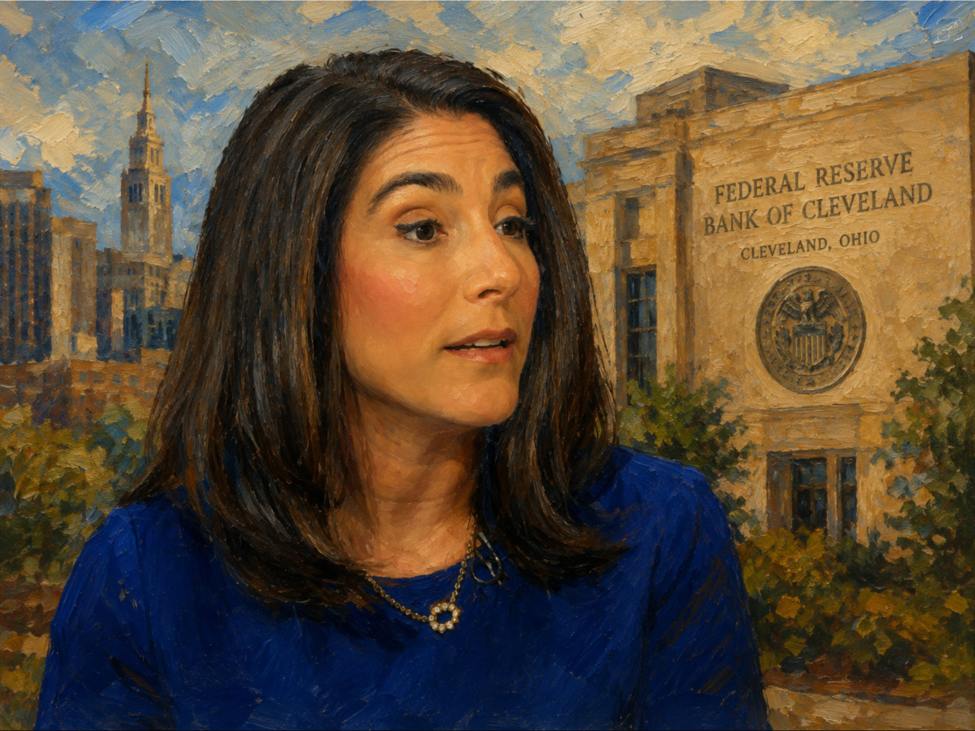
The Fed’s Hammack is a hawk so her highlighting today’s jobs report isn’t a big surprise but it’s notable as a sign of which way the wind is blowing on Fed policy.She wrote:The Federal Reserve’s inflation objective is 2 percent.That number isn’t just theoretical; price stability is a foundation for businesses, consumers, and investors to make sound economic decisions. It’s key to economic growth and maximum employment in the longer run. While I never make too much of any one data point, today’s jobs report reaffirms that the labor market appears to be roughly in balance. The unemployment rate remaining stable at 4.3 percent is right around my definition of full employment.By contrast, inflation is telling a different story. It’s high, moving higher, and I believe persistently high inflation is the bigger concern. When I’m out in the District, I’m starting to hear from people that they don’t think things are going to get better any time soon. It would be a bad development if consumers, businesses, and financial markets begin to expect higher inflation in the future. Such a shift in expectations would warrant decisive action.For today, it’s reasonable to keep rates steady given the uncertainties around the economic outlook. But if recent trends continue, it may soon be appropriate to act. The thing is, it wasn’t just one data point as revisions also make the March and April jobs prints materially better. This is a picture of an improving jobs market, not just ‘in balance’.The question given her comments is how soon is “it may soon be appropriate to act”? The market is now weighing a September rate hike, which is 44% priced in. That’s a big jump from pre-NFP levels. A December hike is now fully priced in as well. In the rates market, US 2-year yields moved up 9.8 bps to 4.15% today.
This article was written by Adam Button at investinglive.com.
💡 DMK Insight
The Fed’s focus on a 2% inflation target is a clear signal for traders: tightening is likely on the horizon. Hammack’s emphasis on the jobs report suggests that employment data will play a crucial role in shaping future Fed decisions. If the labor market remains strong, it could reinforce the Fed’s commitment to raising rates, which historically leads to stronger dollar performance but can pressure equities and risk assets. Traders should keep an eye on upcoming job reports and inflation data, as these will be pivotal in determining market direction. Here’s the flip side: if inflation shows signs of cooling, the Fed might pivot, leading to a potential rally in risk assets. So, while the hawkish tone is clear, the market’s reaction will depend on the actual data. Watch for key levels in the dollar index and major currency pairs, as well as any shifts in sentiment from institutional players who might adjust their positions based on these indicators.
📮 Takeaway
Keep an eye on upcoming jobs reports; strong data could push the Fed towards tightening, impacting dollar strength and risk assets.