
 Bitcoin
  Ethereum
  Tether
  BNB
BNB  XRP
XRP  USDC
USDC  Solana
  TRON
TRON  Lido Staked Ether
  Figure Heloc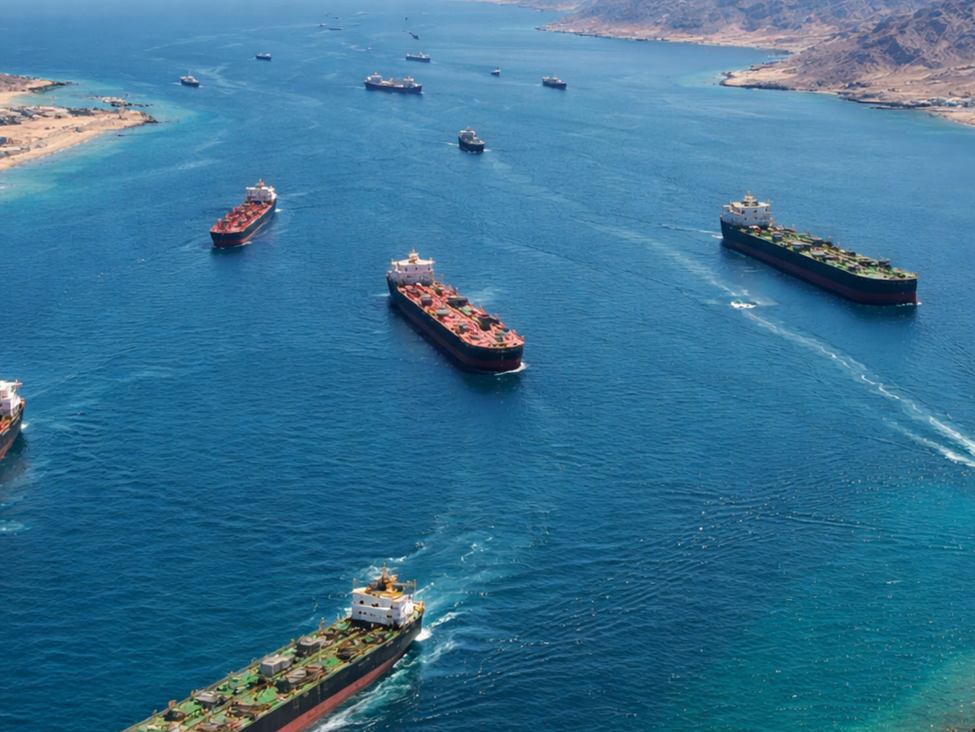
Iran is claiming a figure of 15 vessels transiting through the Strait of Hormuz in the past 24 hours, with those ships said to have obtained permission from Tehran to cross the waterway. Of the 15 vessels, the Iran navy is saying that it includes 4 oil tankers.Now, the issue here is that these may all still be “shadow fleets”. So, it is tough to ascertain which oil tankers these are and where their destinations will be. The same can be said for all the other vessels. As mentioned before, Iran may claim one thing but the reality i.e. actual shipping data tends to differ from that. We have seen that before in recent weeks.So, why exactly is Iran doing this?In part, it is perhaps to play to the optics in managing US expectations as we look towards a deal between the two sides. From before:In any case, an average of 15-30 vessels in total per day is still an absolutely shambolic number when compared to the pre-war days. And even when you pair that to the roughly 3 ships per day that the US is reportedly sneaking through the strait, it’s not that much better.And mind you, these are vessels that are bold enough to turn off their transponders to avoid detection. As a general rule of thumb, don’t expect this to apply to the majority of commercial vessels.Even if the US and Iran are able to agree to a managed reopening of the strait, whether or not maritime insurance can be taken up again is still the number one obstacle. If ships are still not going to be insured when passing through the strait, it will be a risky game for many commercial vessels in passing through.That especially as how things can easily fall apart again between the US and Iran, considering the puzzle pieces in play.
This article was written by Justin Low at investinglive.com.
💡 DMK Insight
Iran’s claim of 15 vessels, including 4 oil tankers, in the Strait of Hormuz is a significant development for oil traders. This situation highlights the ongoing geopolitical tensions in the region, which can lead to volatility in oil prices. The Strait of Hormuz is a critical chokepoint for global oil supply, and any disruptions here can ripple through the entire energy market. Traders should keep an eye on Brent crude prices, which often react sharply to news from this area. If tensions escalate or if Iran takes further actions, we could see a spike in oil prices, potentially breaking key resistance levels. Conversely, if the situation stabilizes, we might see a pullback. Watch for any official statements from Iran or the U.S. that could impact market sentiment, especially in the coming days as these vessels continue their transit.
📮 Takeaway
Monitor Brent crude prices closely; any escalation in the Strait of Hormuz could trigger significant price movements.