 Bitcoin
  Ethereum
  Tether
  BNB
BNB  XRP
XRP  USDC
USDC  Solana
  TRON
TRON  Lido Staked Ether
  Figure Heloc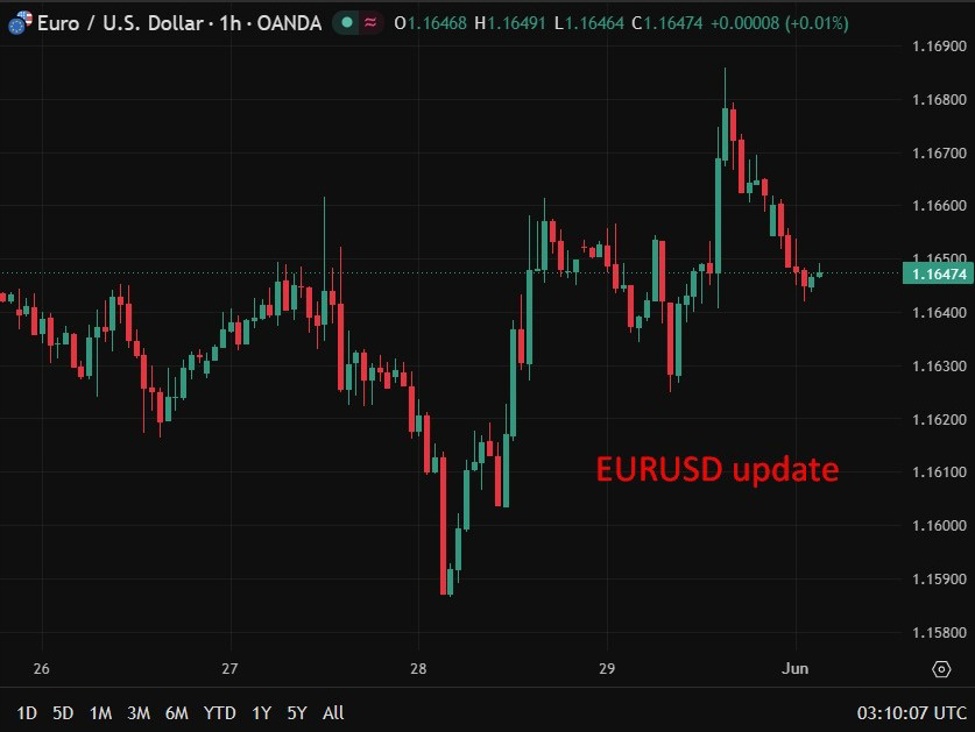
ECB Executive Board member Schnabel said the bank can no longer look through Iran war inflation as price pressures spread beyond energy, signalling further rate hikes without specifying a ceilingSummary:
Source: Isabel Schnabel, ECB Executive Board memberSchnabel said the ECB can no longer overlook the inflationary impact of the Iran conflict as price pressures have spread beyond the energy sector and the risk of unanchored inflation expectations has risenShe said damage to energy infrastructure and global supply chains has altered price dynamics in a more lasting way, meaning a policy response may be required even if the conflict ends immediatelySchnabel declined to specify how many rate hikes would be needed, saying it is too early to say hikes will end after a certain number and that the ECB will continue assessing incoming data and Middle East developmentsShe characterised the Iran shock as increasingly acting as a global demand shock that raises production costs worldwide, distinguishing it from previous energy crisesThe European Central Bank can no longer treat the inflationary consequences of the Iran war as a temporary shock to be waited out, Executive Board member Isabel Schnabel said on Monday, signalling that rate hikes are coming and that their number remains open-ended.Schnabel’s argument rested on a key analytical distinction: the Iran conflict is no longer behaving like a conventional energy price spike. Damage to energy infrastructure and global supply chains has altered price dynamics in a more durable way, and the shock is increasingly functioning as a global demand shock that raises production costs across the board. That framing matters because it removes the standard central bank justification for inaction, namely that supply-side shocks are self-correcting and should be looked through.With inflation pressures now spreading beyond energy and the risk of expectations becoming unanchored rising, Schnabel said the ECB must act regardless of how the conflict evolves. She explicitly refused to set a ceiling on the number of hikes required, saying policymakers would continue to assess incoming data and regional developments before making each decision.The remarks represent a significant shift in tone from an institution that had previously leaned on conflict uncertainty as a reason for caution, and markets will read them as a green light for a more aggressive tightening path in the months ahead.—Schnabel’s remarks are materially hawkish and will reprice near-term ECB rate expectations. Her explicit statement that the bank can no longer look through the inflation impact, combined with a refusal to put a ceiling on the number of hikes required, removes the dovish optionality markets had been pricing around a conflict-driven slowdown. The characterisation of the Iran shock as a global demand shock rather than a transitory energy spike is the key analytical shift: it implies persistence, which argues against waiting for the conflict to end before acting. EUR/USD and short-end eurozone rates will be the primary transmission, with energy-intensive European industrial sectors facing a dual squeeze of higher input costs and tighter monetary conditions.
This article was written by Eamonn Sheridan at investinglive.com.
💡 DMK Insight
Schnabel’s comments on inflation signal a pivotal shift for the ECB and traders need to pay attention. The acknowledgment that inflation pressures are spreading beyond energy suggests the ECB is gearing up for more aggressive rate hikes. This could impact the euro’s strength against the dollar, especially if traders start pricing in a more hawkish stance. Watch for the euro’s reaction around key resistance levels; if it breaks above recent highs, it could indicate a stronger bullish trend. Conversely, if inflation data continues to surprise to the upside, we might see the ECB forced to act even more decisively, which could lead to volatility in both forex and equity markets. But here’s the flip side: if the market overreacts to these comments, we could see a short-term pullback in the euro as profit-taking kicks in. Keep an eye on the upcoming inflation reports and the ECB’s next meeting for any shifts in sentiment. The immediate focus should be on how these developments affect the euro-dollar pair, particularly around the 1.10 level, which has been a pivotal point recently.
📮 Takeaway
Monitor the euro-dollar pair closely, especially around the 1.10 level, as further ECB rate hikes could drive significant volatility.