 Bitcoin
  Ethereum
  Tether
  BNB
BNB  XRP
XRP  USDC
USDC  Solana
  TRON
TRON  Lido Staked Ether
  Figure Heloc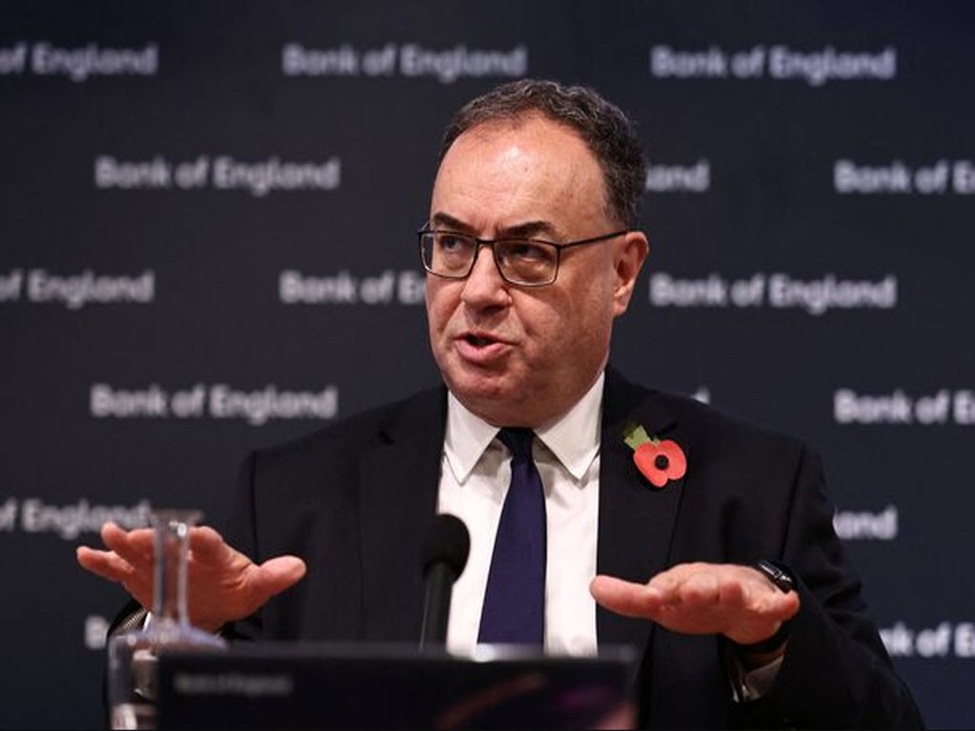
We have to monitor the situation in the Middle EastNeed to see how it affects the UK economy and inflation very closely, and adjust policy as requiredIn having taken expected rate cuts off the table for now, we have already tightened policy considerablyThat is in response to the shock relative to what had been expected by marketsEconomic weakness and uncertainty surrounding the war means tolerating temporarily above target inflation is an appropriate way to approach the policy tradeoffHowever, that tolerance would weaken if signs of second-round effects begin to emergeOn the headline remark, he’s not wrong. That being said, the opposite is also true. With markets now leaning more towards pricing in hawkish steps by the BOE, not raising interest rates this year will end up loosening monetary policy instead. So, there’s that for Bailey & co. to consider.Much like all major central banks right now, the BOE also wants to play for optionality for as long as they can get away with it. Policymakers all want to wait to see how the US-Iran conflict will change next and they will be hoping for more clarity when an agreement is eventually announced. However, that is not to say that the war will end and the Strait of Hormuz will be reopened immediately. In fact, the reality of the situation may be far from that.The BOE for now looks to be putting off a rate hike next month but market pricing suggests that the central bank will have to take action at some point closer to the summer. Traders are pricing in ~32 bps of rate hikes currently by year-end.
This article was written by Justin Low at investinglive.com.
💡 DMK Insight
The geopolitical tensions in the Middle East are more than just headlines—they’re potential game-changers for UK monetary policy. With the Bank of England signaling a pause on rate cuts, traders should be wary of how inflation expectations might shift if the situation escalates. If oil prices spike due to conflict, we could see inflationary pressures rise, forcing the BoE to reconsider its current stance. This could impact GBP pairs significantly, especially against the USD, which is often seen as a safe haven in turbulent times. Keep an eye on key inflation metrics and any comments from the BoE, as they could signal a shift in sentiment. On the flip side, if tensions ease, we might see a rebound in risk appetite, which could strengthen the pound. Watch for any major developments in the Middle East and their direct impact on UK economic indicators, particularly in the coming weeks.
📮 Takeaway
Monitor UK inflation data closely; any spike could force the BoE to rethink its rate strategy, impacting GBP pairs significantly.