
 Bitcoin
  Ethereum
  Tether
  BNB
BNB  XRP
XRP  USDC
USDC  Solana
  TRON
TRON  Lido Staked Ether
  Figure Heloc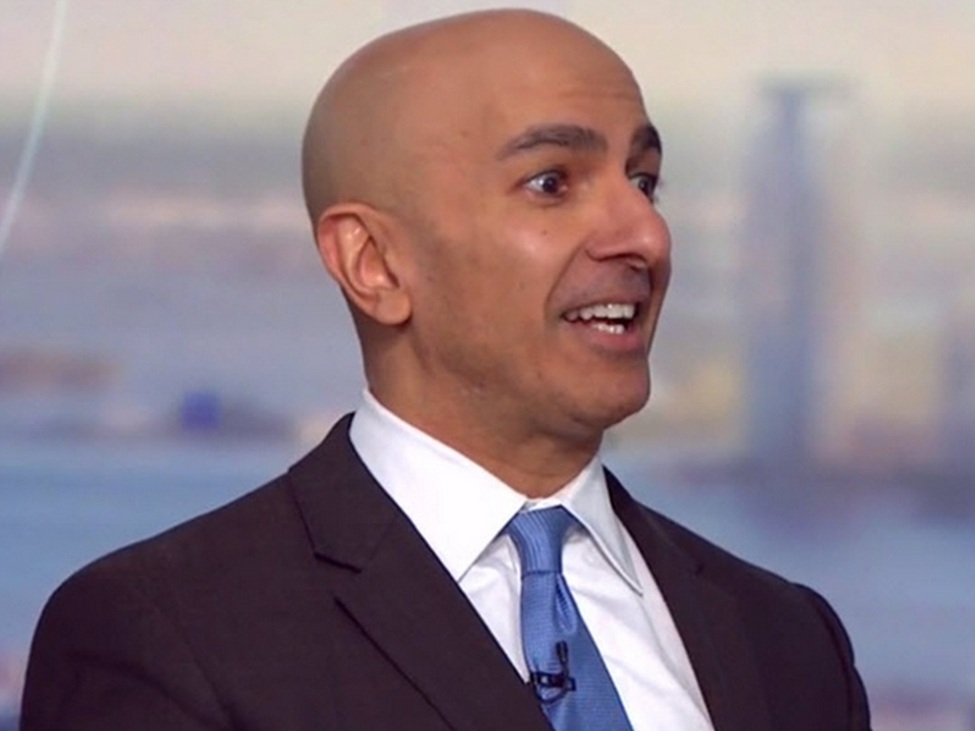
Fed should have neutral policy outlook going forwardRisk to US inflation is now higher than risk of labour market deteriorationThat said, need to still pay attention to both risksMost US data released since April has shown inflationary risks are higher, not lowerInflationary shockwave sent across the globe from the Middle East war could persistConcern over global inflation is working its way into the bond marketFar too soon to make such a prediction about when the next move would be (when asked about October odds)I want to see what happens in US-Iran negotiations and see how global supply chains are respondingConfident that Fed policymakers will vote based on their own reading of the economy and what’s appropriate”It’s going to be the best ideas ultimately that persuade the committee”As a reminder, Kashkari dissented during the latest FOMC meeting in April, objecting to the dovish policy statement put out by the central bank. While he voted to keep interest rates unchanged, he wasn’t happy with the language in the statement as he felt that it was still leaning more towards a rate cut rather than it being neutral or acknowledging the upside risks to the inflation outlook.And his comments above is making it clear how he feels about the issue at least.That being said, he’s not really pushing too hard to side with a more hawkish positioning. He is still very much keeping mum about what he feels the Fed should do next and when. But as things stand, he would like that optionality in wanting the Fed to be more neutral in its communique.
This article was written by Justin Low at investinglive.com.
💡 DMK Insight
The Fed’s shift to a neutral policy outlook signals a pivotal moment for traders navigating inflation risks. With inflationary pressures rising, particularly from global shocks, traders should brace for potential volatility in both equities and commodities. The focus on inflation over labor market stability suggests that the Fed may prioritize price stability, which could lead to tighter monetary policy sooner than expected. This is crucial for day traders and swing traders who rely on market sentiment and economic indicators. Keep an eye on key inflation metrics and upcoming Fed statements, as they could dictate market direction. Additionally, sectors sensitive to interest rates, like tech and real estate, may react sharply to any signs of policy shifts. On the flip side, if labor market data shows unexpected strength, it could temper inflation fears and provide a short-term rally in risk assets. Watch for critical levels in the S&P 500 and commodities that could signal a broader market reaction. The next few weeks will be telling, so stay alert for any economic releases that could sway the Fed’s stance.
📮 Takeaway
Monitor upcoming inflation data closely; a shift in Fed policy could impact equities and commodities significantly in the coming weeks.