Bitcoin
  Ethereum
  Tether
  BNB
BNB  XRP
XRP  USDC
USDC  Solana
  TRON
TRON  Lido Staked Ether
  Figure Heloc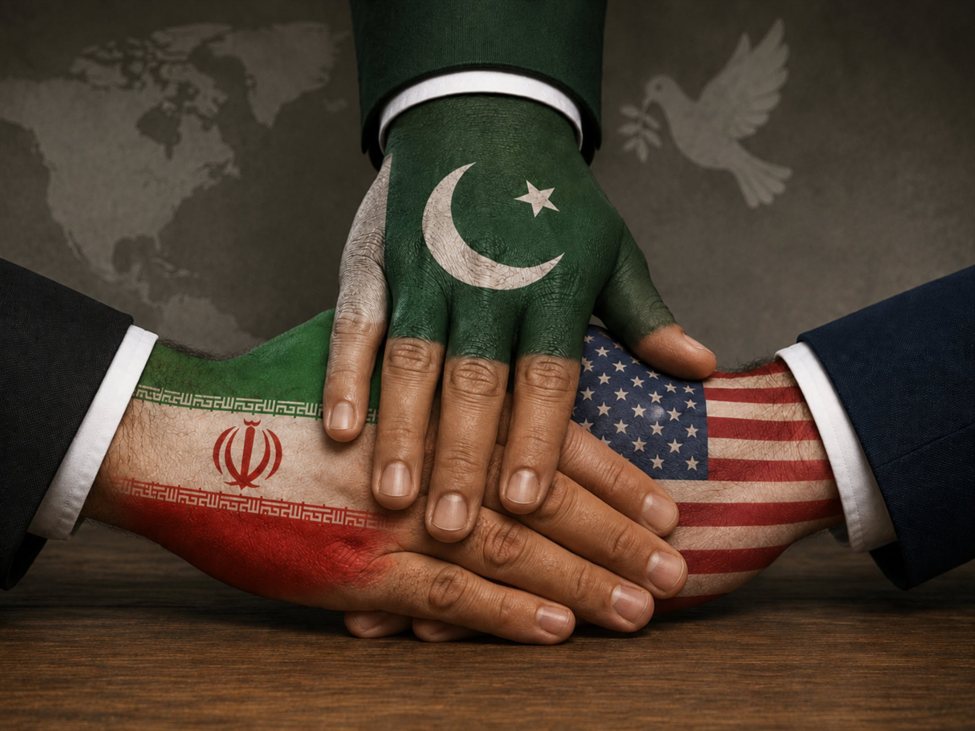
According to Iran’s Fars news agency, the unfreezing of billions of dollars in Iranian assets has emerged as the final obstacle to securing a Memorandum of Understanding (MoU) aimed at ending recent hostilities and reopening the Strait of Hormuz. This issue is currently being ironed out through Qatari mediation.The fact that the debate has shifted from whether Iran will cooperate on its nuclear material to how and when Iran gets its money back could be viewed as a net-positive signal. It could suggest that the structural layout of a deal, including a 60-day extension of the current ceasefire and a mechanism to manage or dispose of Iran’s highly enriched uranium stockpile, is largely mapped out.Iran is reportedly demanding guaranteed access to $12 billion in frozen assets during the very first phase of the agreement. This includes roughly $6 billion originally parked in Qatari banks during a 2023 prisoner swap, which the US subsequently restricted following the outbreak of the regional conflict. The current friction lies in the timing. The US has pushed to link the release of these funds to a finalized, comprehensive nuclear agreement. Iran, on the other hand, has made it clear that without a concrete financial step by the US upfront, no preliminary deal will move forward.
This article was written by Giuseppe Dellamotta at investinglive.com.
💡 DMK Insight
The unfreezing of Iranian assets could shift oil market dynamics significantly. If the MoU is secured, expect increased oil supply from Iran, which could pressure prices in the short term. Traders should watch for fluctuations in crude oil futures, particularly around key levels like $80 per barrel. The Strait of Hormuz is a critical chokepoint, and any resolution here could lead to a more stable supply chain, impacting not just oil but also currencies tied to oil economies. However, there’s a flip side: if tensions escalate instead, we could see a spike in prices as markets react to uncertainty. Keep an eye on geopolitical developments and the response from major oil producers, as they might adjust their output in anticipation of these changes. Overall, this situation is fluid, and traders should monitor news closely for immediate impacts on oil and related assets like the USD against oil-linked currencies.
📮 Takeaway
Watch for oil prices around $80 per barrel; any resolution on Iranian assets could lead to increased supply and price pressure.