Bitcoin
  Ethereum
  Tether
  BNB
BNB  XRP
XRP  USDC
USDC  Solana
  TRON
TRON  Lido Staked Ether
  Figure Heloc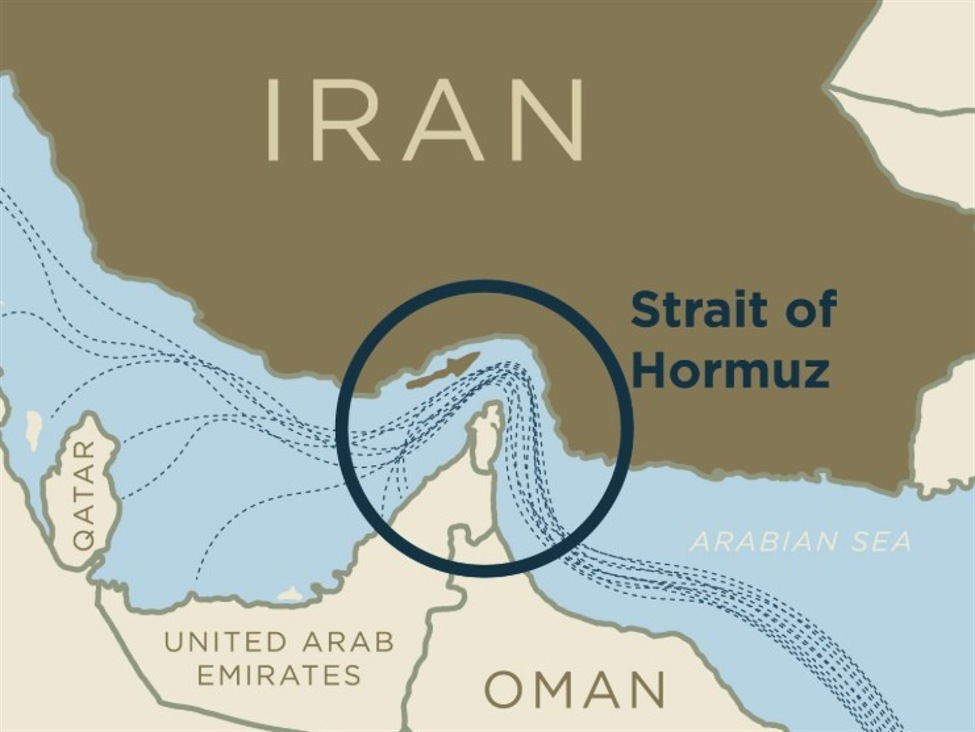
The very large crude carrier cleared the Gulf of Oman into the Arabian Sea with around 2 million barrels of Iraqi crude bound for China. Most tankers remain stranded in the Persian Gulf following Iran’s effective closure of the Strait of Hormuz in late February.Earlier:The outline of a deal existssigning still days away
This article was written by Eamonn Sheridan at investinglive.com.
💡 DMK Insight
The movement of a large crude carrier with 2 million barrels of Iraqi crude to China highlights ongoing supply chain disruptions in the oil market. With Iran’s closure of the Strait of Hormuz, a critical chokepoint for global oil shipments, traders need to be aware of potential price spikes. This situation could lead to increased volatility in crude oil prices, especially if more tankers remain stranded. Watch for how this impacts WTI and Brent crude benchmarks, as any significant supply constraints could push prices above key resistance levels. Additionally, keep an eye on geopolitical developments, as any easing of tensions could quickly shift market sentiment. The real story here is how these disruptions might ripple through related markets, including energy stocks and ETFs that track oil performance.
📮 Takeaway
Monitor crude oil prices closely; any further disruptions could push WTI above key resistance levels, impacting related energy assets.