 Bitcoin
  Ethereum
  Tether
  BNB
BNB  XRP
XRP  USDC
USDC  Solana
  TRON
TRON  Lido Staked Ether
  Figure Heloc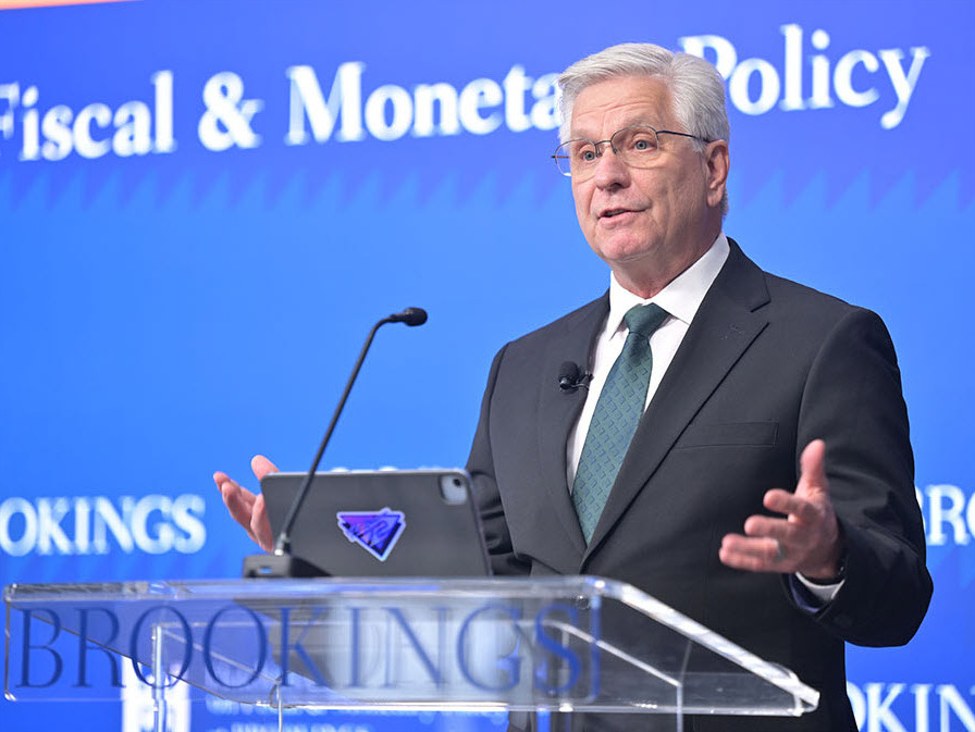
If shorter run expectations go up, that’s alarming and the Fed might have to take steps
There is no way the Fed can go back to the small balance sheet of 2008
The Fed wants to run an ample reserves type system
Does not want to go to a scarce reserve system
Has not spoken to Warsh about policy
It’s crazy given recent data to be talking about rate cuts in the near futureWaller is a highly influential member of the Board of Governors of the Federal Reserve. Nominated by President Trump and confirmed in 2020, he serves a term ending in 2030. He is widely known in macroeconomic circles for his sharp academic background and historically pragmatic, data-driven approach to monetary policy. His pragmatism is tilting to the hawkish side now.Waller adds:I have a very strong beliefs in the need for central bank independence. The comments come ahead of the swearing-in of new Fed Chair Kevin Warsh, where President Trump is also scheduled to speak. Warsh’s nomination by Trump was viewed by many as leaning more dovish relative to other potential candidates, particularly given the administration’s preference for lower interest rates. However, during his time on the Fed Board, Warsh was often seen as more pragmatic and, at times, tilted toward the hawkish side on inflation and financial stability concerns. Ultimately, as with all Fed officials, his policy stance is likely to depend heavily on the direction of the economy, inflation trends, and labor market conditions.Looking at the stocks heading into the swearing in:Dow is up 0.62% and moving further away from the 50,000 level. The price is trading at 50,612S&P is up 41 points or 0.55% at 7486. A record close would be at 7501.25. The high reached 7499.46Nasdaq is up 174 points or 0.66% at 26467. The high close level is up at 26635In the US debt market:2 year yield is at 4.131%, up 4.5 basis points10 year yield is at 4.579%, down -0.4 basis points
This article was written by Greg Michalowski at investinglive.com.
💡 DMK Insight
The Fed’s stance on maintaining an ample reserves system is crucial for traders right now. If shorter run expectations rise, it could signal a tightening of monetary policy, which might lead to increased volatility in both equities and forex markets. Traders should be alert to potential shifts in interest rates that could impact asset valuations. The Fed’s inability to revert to a pre-2008 balance sheet could mean prolonged periods of higher rates, affecting everything from stock prices to currency strength. Look for key economic indicators like inflation data and employment reports, as these will likely influence the Fed’s decisions. If inflation continues to surprise to the upside, we could see a more aggressive tightening cycle, which would ripple through markets, particularly in sectors sensitive to interest rates like real estate and utilities. Keep an eye on the 10-year Treasury yield as a barometer for market expectations; a breakout above recent highs could signal a shift in sentiment. In this environment, traders might want to consider hedging strategies or adjusting their positions in interest rate-sensitive assets to mitigate potential risks.
📮 Takeaway
Watch for rising inflation indicators and 10-year Treasury yields; they could signal a shift in Fed policy that impacts market volatility.