
 Bitcoin
  Ethereum
  Tether
  BNB
BNB  XRP
XRP  USDC
USDC  Solana
  TRON
TRON  Lido Staked Ether
  Figure Heloc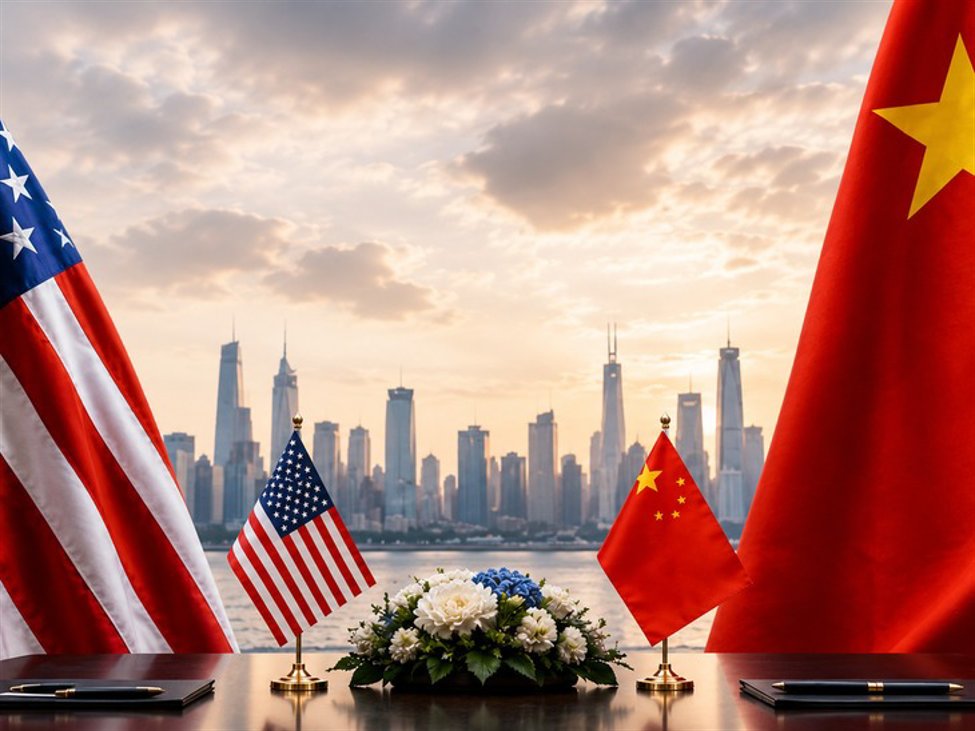
Donald Trump called last week’s U.S.–China summit “very successful,” while Xi described it as a “historic and landmark” visit. But in reality, the results were pretty modest, even though Trump was joined by the CEOs of 30 major American companies, including Tesla, Apple, Nvidia, BlackRock, Boeing, Exxon, and Qualcomm.The Chinese leader did say the door to business in China will “open wider,” but it’s not clear by how much. There was also no talk of ending the trade war, and little progress on Taiwan, and especially Iran, which remains a major headache for the global economy. The rare-earth issue is far from resolved, either. With so many key issues still unresolved, it’s no surprise that the reaction from the S&P 500 and Nasdaq was muted.Among the deals announced, China promised to buy at least $17 billion worth of U.S. agricultural products every year through 2028, adding to commitments made in October 2025, and to restore market access for U.S. beef. Beijing also agreed to purchase 200 Boeing aircraft, while the U.S. will keep supplying engines and other key components, even as China continues developing its own passenger planes, which still rely heavily on foreign technology.As for what China got in return, some say Washington authorized Nvidia to export its H200 chips to China. The catch is that Beijing hasn’t formally approved the shipments, which led semiconductor stocks to dip on Friday alongside disappointing inflation data. Most likely, the real trade-off was more predictable U.S. trade and sanctions policies toward China. But who can say that if the U.S. gains control over the Strait of Hormuz, the terms of their relationship won’t be reconsidered?Looking ahead, Xi Jinping is expected to visit Washington on September 24, and a lot could change before then. On one hand, China’s domestic economy is weakening — with industrial production growth slowing to just 4.1% year-over-year, down from 5.7% in March and well below the expected 5.9%, and retail sales growth dropping sharply to 0.2% from 1.7%, the weakest reading since December 2022 and far below the 2% forecast — meanings it’s in the country’s interest to find common ground. On the other hand, if the U.S. manages to secure another chip or energy supplier from China, the trade war could return in full force between the two countries.
This article was written by IL Contributors at investinglive.com.
💡 DMK Insight
So, the U.S.–China summit was labeled a success, but here’s the catch: results were underwhelming. While Trump touted the meeting alongside major CEOs, the lack of concrete outcomes could lead to market volatility, especially in sectors tied to these companies. Traders should keep an eye on tech stocks like Nvidia and Apple, which often react sharply to geopolitical news. The broader implications might ripple through the forex market as well, particularly affecting USD/CNY. If tensions resurface or if trade barriers remain, expect potential sell-offs in these equities. Watch for key support levels in tech stocks; a break below recent lows could trigger further selling pressure. On the flip side, if any unexpected agreements emerge from this summit, it could provide a short-term boost, but skepticism remains warranted given the modest results. Keep an eye on the next earnings reports from these companies for any commentary on international relations, as that could provide clues on how to position yourself in the coming weeks.
📮 Takeaway
Monitor tech stocks like Nvidia and Apple for volatility; a break below recent support levels could signal further downside.