 Bitcoin
  Ethereum
  Tether
  BNB
BNB  XRP
XRP  USDC
USDC  Solana
  TRON
TRON  Lido Staked Ether
  Figure Heloc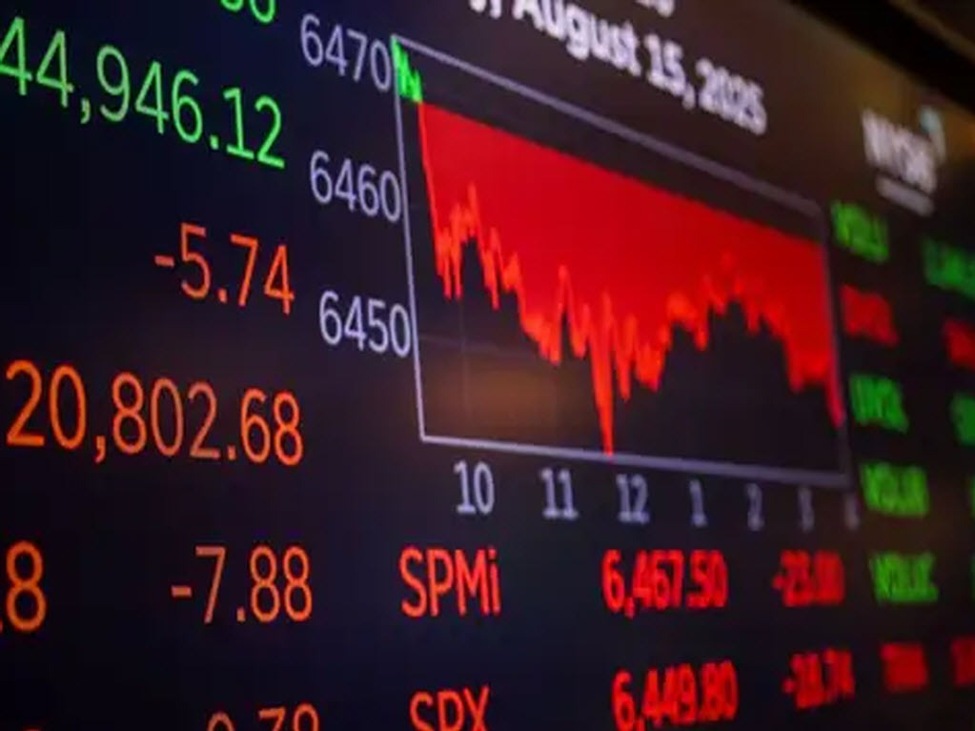
The risk mood is looking rather dour as we look to get into European trading later. The US-Iran conflict continues to drag on, with no real progress over the weekend. And that is making for a very dicey start to the new week today.Iran is now charging a toll for ships looking to pass through the Strait of Hormuz, and even then it will only be limited to exceptions to some of its allies. To those aligning themselves with the US, there will be no such passage. And while that is going on, the US naval blockade also continues to stay in place.All in all, it doesn’t mean much. The strait remains in de facto closure with the only vessels passing through being small regional cargo ships, Iranian coastal ships, and a few Chinese vessels that are heavily escorted and permitted by the Iranian navy. And even then, the traffic from these ships still resembles a ghost town. The key thing remains that no oil and gas tankers are passing through.As such, we’re bracing ourselves for another week of the status quo being prolonged. And the toll on markets is also starting to show up, more evidently in the bond market.Treasury yields sold off heavily in the second half of last week with 10-year yields now shooting up to 4.62% and 30-year yields up to 5.14%. Both are hitting fresh one-year highs as the bond market is screaming that inflation worries are starting to balloon up and there will be a major toll on the economy.And it is not just in the US, we’re seeing the same in Europe as well.On Friday, 10-year bond yields in France shot up to 3.97% – its highest since 2009. Meanwhile, 30-year yields jumped up to 4.66% – its highest since late 2008. In Germany, 10-year yields jumped to 3.18% and 30-year yields to 3.68% – both the highest since 2011.With fiscal worries already a major concern in the likes of France since last year, this latest episode is just piling on the pressure on Europe’s second largest economy.In Japan, we also briefly saw 30-year yields hit 4.20% earlier today. If the government wasn’t all too worried about fiscal concerns before, they surely are now. And that just piles on top of the Takaichi trade that is continuing to run in the background.In turn, we’re starting to see all of this translate to perhaps the start of a corrective move in equities.After wiping out its weekly gains on Friday, US stocks are bracing themselves for another downbeat session later today. S&P 500 futures are lower by 0.6% with Nasdaq futures down by 0.5% currently.Looking to Europe, DAX futures are down 0.9% while CAC 40 futures are down 1.5% at the moment.It’s looking quite rough out there as other asset classes are finally starting to heed the warning signal sent out from the bond market.
This article was written by Justin Low at investinglive.com.
💡 DMK Insight
The ongoing US-Iran tensions are casting a shadow over market sentiment, and here’s why that matters: As we head into European trading, the lack of progress in the US-Iran conflict is likely to keep risk appetite subdued. Traders should be cautious, as geopolitical tensions can lead to increased volatility in both the forex and commodity markets. For instance, oil prices could react sharply if the situation escalates, impacting currencies like the Canadian dollar and the Norwegian krone, which are sensitive to oil price fluctuations. Additionally, safe-haven assets like gold may see increased demand as investors seek refuge from potential market instability. It’s worth noting that this isn’t just a short-term issue; prolonged tensions could lead to a sustained risk-off environment. Traders should keep an eye on key levels in oil and gold, as breaks above or below recent highs or lows could signal larger moves. Watch for any news updates that could shift sentiment quickly, as the market is on edge and could react dramatically to new developments.
📮 Takeaway
Monitor oil prices closely; any escalation in the US-Iran conflict could push crude above key resistance levels, impacting related currencies and assets.