 Bitcoin
  Ethereum
  Tether
  BNB
BNB  XRP
XRP  USDC
USDC  Solana
  TRON
TRON  Lido Staked Ether
  Figure Heloc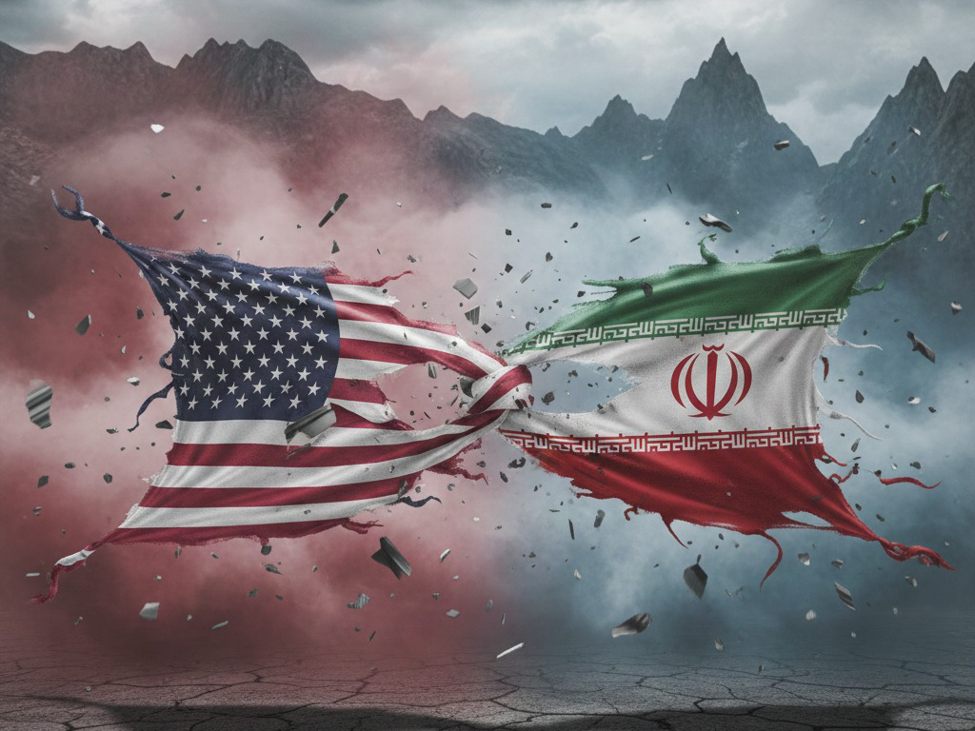
Iranian and Omani technical teams met last week in Oman to negotiate a mechanism for safe transit in the Strait of HormuzProcess of talks through Pakistani mediation is ongoingBoth Iran and the US have sent their comments on the recent Iranian proposalTehran’s demands in negotiations with the US include releasing Iranian frozen funds and lifting sanctionsIran’s foreign ministry says that indirect diplomatic channels with the US remain active despite recent escalations. Iranian and Omani technical teams held meetings in Oman last week to negotiate a dedicated mechanism aimed at securing safe transit through the critical chokepoint of the Strait of Hormuz. Alongside these maritime security talks, Tehran clarified that the broader process of dialogue is traversing a very difficult course through Pakistani mediation, with both the US and Iran having officially exchanged formal comments and counter-proposals regarding recent framework for peace. Trump issued a warning on Truth Social, declaring that the clock is ticking for Iran and urging the country to move fast to secure a deal or face total devastation. The White House has previously labeled Iran’s proposal, which demands an end to the naval blockade of the Strait of Hormuz, the lifting of broad economic sanctions, release of frozen funds and guarantees against future attacks, as totally unacceptable. US’s own strict parameters demand that Iran surrender its stockpile of highly enriched uranium and accept a multi-decade enrichment moratorium, exposing massive deadlocks that the Pakistani mediators are struggling to bridge.This stalemate is now starting to weigh on global financial markets. We saw a sharp surge in US Treasury yields on Friday, well past their previous March highs. Market participants price in persistent inflation risks, with risks of the Fed being forced to hike rates at some point. We have now 50% chance of a rate hike expected by year-end.
This article was written by Giuseppe Dellamotta at investinglive.com.
💡 DMK Insight
Tensions in the Strait of Hormuz are ramping up, and here’s why that matters for traders: the ongoing negotiations between Iran and the US could significantly impact oil prices. With Iran’s demands for the release of certain sanctions, any breakthrough—or failure—could lead to volatility in crude oil markets, especially given that this strait is a critical chokepoint for global oil supply. Traders should keep an eye on developments, as any escalations or agreements could trigger sharp price movements in oil futures and related assets. Look, the broader context here is that geopolitical tensions often lead to risk-off sentiment, which can affect not just oil but also currencies tied to oil economies, like the Omani rial or even the Iranian rial. If negotiations falter, we could see a spike in oil prices, potentially breaking resistance levels that traders have been watching closely. Conversely, a successful negotiation might lead to a temporary dip in prices, creating a buying opportunity for those looking to capitalize on short-term fluctuations. For now, watch for any news from the ongoing talks and keep an eye on Brent crude oil prices. A break above or below key levels could signal where the market is headed next.
📮 Takeaway
Monitor Brent crude oil prices closely; any news from the Iran-US negotiations could trigger significant volatility.