
 Bitcoin
  Ethereum
  Tether
  BNB
BNB  XRP
XRP  USDC
USDC  Solana
  TRON
TRON  Lido Staked Ether
  Figure Heloc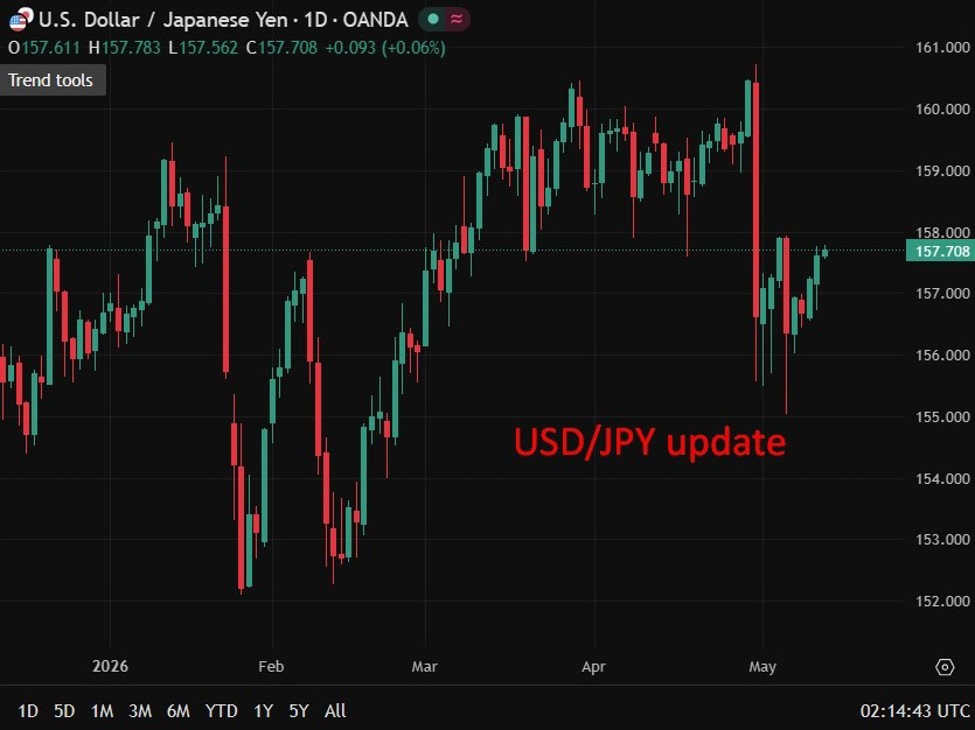
The OECD projects the Bank of Japan will raise its policy rate to 2% by end-2027 from 0.75% currently, backing continued hikes on solid wage growth and a closed output gap. Summary:The OECD projects the Bank of Japan will raise its short-term policy rate to 2% by the end of 2027, up from the current 0.75%, supported by higher inflation expectations, solid wage growth and a closed output gap, according to an OECD report released WednesdayThe Paris-based body said Japan’s economy is in a transitional period, moving away from three decades of near-zero inflation toward an environment of rising prices, wages and domestically driven growthOECD forecasts Japan’s economy will expand 0.7% in 2026 and 0.9% in 2027, slowing from 1.2% growth last year, with inflation expected to converge toward the BOJ’s 2% target over the same periodThe OECD urged Japan to rely primarily on consumption tax increases to boost government revenues, noting the current 10% rate is among the lowest across OECD member economiesThe BOJ should stand ready to adjust the pace and maturity profile of its Japanese government bond purchases if financial or bond market disruptions emerge, the OECD said, acknowledging that the ongoing taper has contributed to heightened JGB market volatilityThe BOJ is due to review its bond taper plan at its June 15-16 policy meeting and will set out a new framework for purchases from April 2027 onwardThe OECD has projected the Bank of Japan will raise its short-term policy rate to 2% by the end of 2027, lending authoritative external backing to the central bank’s hawkish shift and framing continued rate increases as appropriate given the state of Japan’s economy.In a report released Wednesday, the Paris-based organisation said the BOJ’s current rate of 0.75% sits near the bottom of the estimated nominal neutral rate range, and that the conditions needed to justify ongoing tightening are firmly in place. Higher inflation expectations, robust nominal wage growth and a closed output gap together make the case for continued hikes as Japan completes its long-anticipated exit from three decades of near-zero inflation and near-zero interest rates.The OECD characterised Japan’s economy as being in a genuine transitional phase, one in which inflation initially imported through higher commodity prices has since been reinforced by domestic labour shortages that have driven up wages across the economy. That shift from externally driven to domestically embedded inflation is significant, as it suggests price pressures are more durable and less likely to reverse without a policy response. The organisation expects inflation to converge toward the BOJ’s 2% target through 2026 and 2027, supported by solid domestic demand that it said should help absorb external headwinds from the ongoing Middle East conflict.Growth forecasts were more modest. The OECD projects Japan’s economy will expand 0.7% in 2026 and 0.9% in 2027, a step down from 1.2% last year, reflecting the drag from global uncertainty even as domestic fundamentals remain supportive.On fiscal policy, the OECD urged Tokyo to lean primarily on consumption tax increases to strengthen government revenues. Japan’s current consumption tax rate of 10% ranks among the lowest in the OECD, leaving meaningful headroom for increases relative to peer economies, the report noted.The organisation also addressed risks in the Japanese government bond market. While welcoming the BOJ’s gradual reduction in JGB purchases as a necessary step in unwinding its extraordinary stimulus programme, the OECD flagged that the share of bonds held by banks, insurers and pension funds has declined after years of suppressed yields, leaving the market more sensitive to shifts in buying patterns. It recommended the BOJ retain flexibility to modify both the pace and maturity composition of its purchases should conditions deteriorate.The BOJ will next meet on June 15-16, when it is expected to review its bond taper roadmap and set out a new purchase plan for the period from April 2027 onward.—An OECD endorsement of the BOJ’s hawkish trajectory, with a 2% rate target by end-2027 framed as justified rather than aggressive, adds institutional credibility to expectations of further yen support as the interest rate differential with the dollar gradually narrows. For JGB markets, the recommendation that the BOJ stand ready to adjust the pace and maturity profile of its bond purchases in response to disruptions is a signal that policymakers are alert to volatility risks as the taper continues, a dynamic that could periodically inject turbulence into what had been one of the world’s most stable fixed income markets. The consumption tax recommendation, if adopted, carries implications for domestic demand and inflation dynamics, potentially complicating the BOJ’s own projections if household spending softens in response to higher levies.
This article was written by Eamonn Sheridan at investinglive.com.
💡 DMK Insight
The Bank of Japan’s potential rate hike to 2% by 2027 could shake up global markets, especially for currencies and assets tied to Japanese economic performance. With SOL currently at $94.59, traders should consider how this rate adjustment might impact the yen and, by extension, crypto markets. A stronger yen could lead to reduced capital inflows into riskier assets like cryptocurrencies, as investors may favor safer, higher-yielding options. Additionally, if wage growth continues to support this policy shift, it could signal a broader trend of tightening monetary policy across other central banks, affecting forex pairs and crypto valuations alike. Watch for how SOL reacts to these macroeconomic shifts, particularly if it approaches key support or resistance levels. Here’s the thing: while many might see this as a long-term play, the immediate effects could create volatility. Keep an eye on the daily charts for SOL, especially if it starts to break below $90, which could trigger further selling pressure. Conversely, if it holds above $95, it might attract bullish sentiment amidst the uncertainty.
📮 Takeaway
Monitor SOL closely; a break below $90 could signal increased selling pressure, while holding above $95 might indicate bullish momentum amidst global rate shifts.