 Bitcoin
  Ethereum
  Tether
  XRP
XRP  BNB
BNB  USDC
USDC  Solana
  TRON
TRON  Lido Staked Ether
  Figure Heloc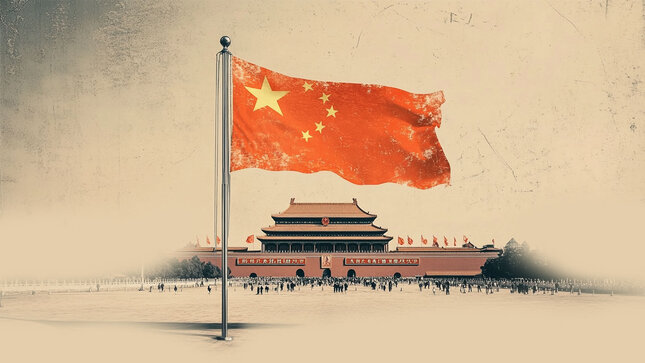
Rabobank strategists assess how the US and Israel’s war against Iran could affect China. They note higher Oil and gas prices and global cost-push inflation, but argues China’s inflation is unlikely to force PBOC tightening.
💡 DMK Insight
The geopolitical tensions involving the US, Israel, and Iran are set to ripple through global markets, particularly impacting oil prices. As Rabobank highlights, rising oil and gas prices could exacerbate cost-push inflation, which traders need to watch closely. However, the expectation that China’s inflation won’t lead to PBOC tightening suggests a divergence in monetary policy that could affect currency pairs like USD/CNY. If oil prices surge, we might see commodities rally, but the Chinese yuan could remain stable due to the PBOC’s likely accommodative stance. This could create opportunities for traders looking to capitalize on currency volatility against a backdrop of rising energy costs. Keep an eye on key levels in oil prices and the USD/CNY pair; any significant breakouts could signal broader market movements. The real story is how these geopolitical events could shift sentiment in commodities and currencies, so stay alert for any sudden changes in oil prices or PBOC announcements.
📮 Takeaway
Watch for oil price movements and USD/CNY fluctuations; a breakout in oil could signal broader market shifts.