
 Bitcoin
  Ethereum
  Tether
  XRP
XRP  BNB
BNB  USDC
USDC  Solana
  TRON
TRON  Lido Staked Ether
  Figure Heloc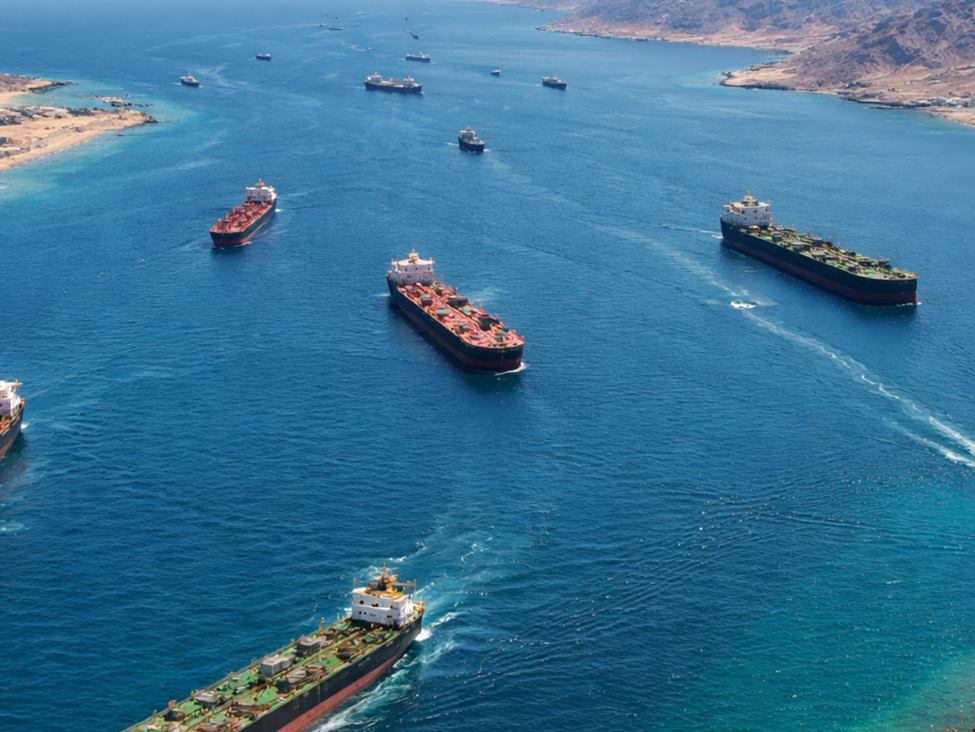
A spokesperson for Iran’s Islamic Revolutionary Guard Corps (IRGC) declared that any vessel violating the Islamic Republic’s maritime rules will be stopped by force. The warning, delivered through the state-linked Fars News Agency, serves as a direct challenge to a newly unveiled American initiative designed to break the maritime deadlock in the region. This comes in immediate response to an announcement from US President Trump, who announced on his Truth Social account Operation Project Freedom. Framing the mission as a humanitarian gesture, Trump stated that the United States would begin guiding neutral commercial vessels safely out of the Strait of Hormuz starting today.According to the President, these ships, many of which have been stranded for weeks due to a naval blockade and ongoing regional hostilities, are running low on food and essential supplies. He characterized the crews as innocent bystanders caught in a conflict they did not create and insisted that the US move is an act of goodwill intended to free people and companies that are “victims of circumstance”.Despite the humanitarian framing, the operation carries a heavy military weight. Trump issued a blunt ultimatum alongside the plan, warning that any interference with the process would be dealt with forcefully. This “safe passage” initiative seeks to bypass a new maritime regime announced by Iran, which requires vessels to seek explicit permission and follow strict Iranian regulations to transit the Strait. Iranian officials, including Ebrahim Azizi of the Parliament’s National Security Committee, have already dismissed Trump’s plan as “delusional” and warned that any American interference in the Strait would be considered a direct violation of the standing ceasefire framework. This fragile standoff will likely keep oil prices elevated due to escalation risks.
This article was written by Giuseppe Dellamotta at investinglive.com.
💡 DMK Insight
Iran’s aggressive maritime stance could disrupt oil supply routes, impacting global prices. With the IRGC’s declaration to use force against vessels violating its maritime rules, traders should brace for potential volatility in oil markets. This move is a direct counter to U.S. efforts aimed at stabilizing maritime operations, which could lead to increased tensions in the Strait of Hormuz—a critical chokepoint for oil transport. If Iran follows through, we might see a spike in oil prices as fears of supply disruptions mount. Keep an eye on Brent crude futures; any escalation could push prices above recent resistance levels. On the flip side, if the situation de-escalates, we could see a pullback in oil prices, providing a potential buying opportunity for traders looking to capitalize on short-term fluctuations. Watch for any updates from the U.S. Navy or Iranian officials, as these could significantly influence market sentiment and trading strategies in the coming days.
📮 Takeaway
Monitor Brent crude prices closely; any escalation in Iran’s maritime threats could push prices above key resistance levels, creating trading opportunities.