 Bitcoin
  Ethereum
  Tether
  XRP
XRP  BNB
BNB  USDC
USDC  Solana
  TRON
TRON  Lido Staked Ether
  Figure Heloc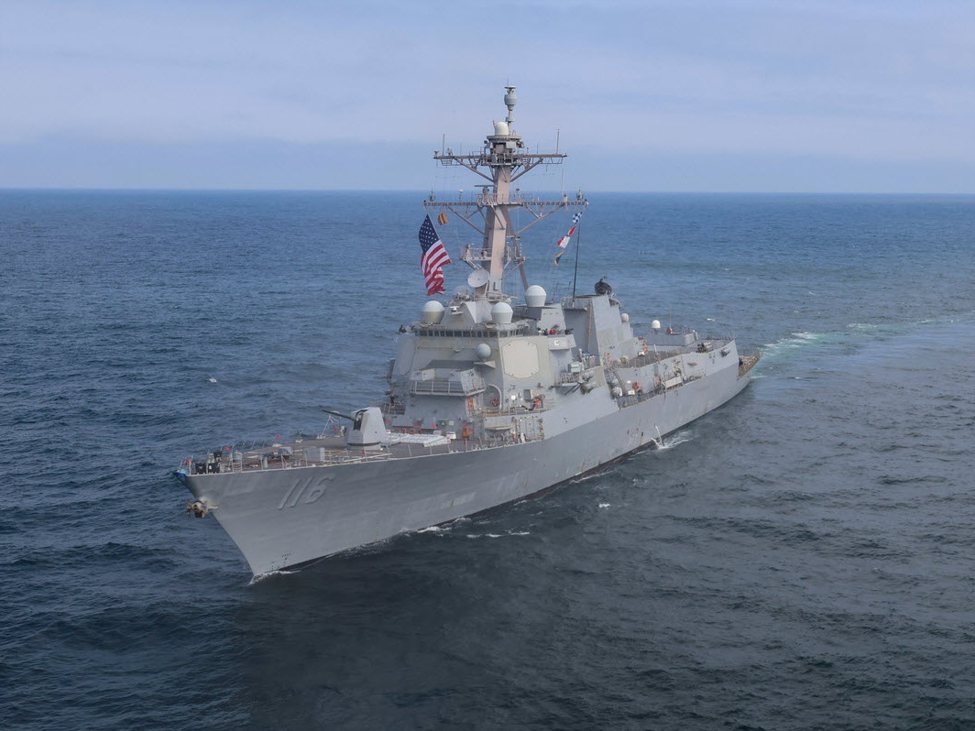
Global Affairs Correspondent for Axios, Barack Ravid, said on X that a senior US official denied Iranian missiles hit a US warship. This has triggered a quick reversal in earlier moves after Fars News Agency reported that two missiles struck a US warship near Jask Island after it allegedly ignored repeated warnings to exit Iranian territorial waters.We are likely to get more of such conflicting reports in the next days as tensions in the Strait of Hormuz remain high. This should keep oil prices elevated and risk sentiment a bit more in check as things could escalate very quickly.For now, US stocks are ignoring these risks on expectations that eventually the Strait of Hormuz will be reopened, but the longer this stalemate drags on, the higher the risk that the Fed would need to adopt a tightening bias.
This article was written by Giuseppe Dellamotta at investinglive.com.
💡 DMK Insight
The denial of missile strikes on a US warship is a game changer for market sentiment. Initially, reports of an attack could’ve spurred volatility in oil and defense stocks, but the quick denial suggests a stabilizing effect on those markets. Traders should note that geopolitical tensions often lead to knee-jerk reactions, but this denial might calm fears, at least temporarily. Keep an eye on crude oil prices, which often react to Middle Eastern tensions; a drop in oil prices could signal a return to risk-on sentiment. Additionally, defense stocks may see less upward pressure, so watch for any shifts in trading volume or price action in that sector. But here’s the flip side: if tensions escalate again, or if new information emerges, we could see a rapid reversal. Traders should monitor key levels in oil, particularly if it approaches recent highs, as that could indicate renewed fear in the market. For now, the immediate impact seems contained, but stay alert for any further developments.
📮 Takeaway
Watch crude oil prices closely; a drop could signal a return to risk-on sentiment, while renewed tensions may reverse this trend.