Bitcoin
  Ethereum
  Tether
  XRP
XRP  BNB
BNB  USDC
USDC  Solana
  TRON
TRON  Lido Staked Ether
  Figure Heloc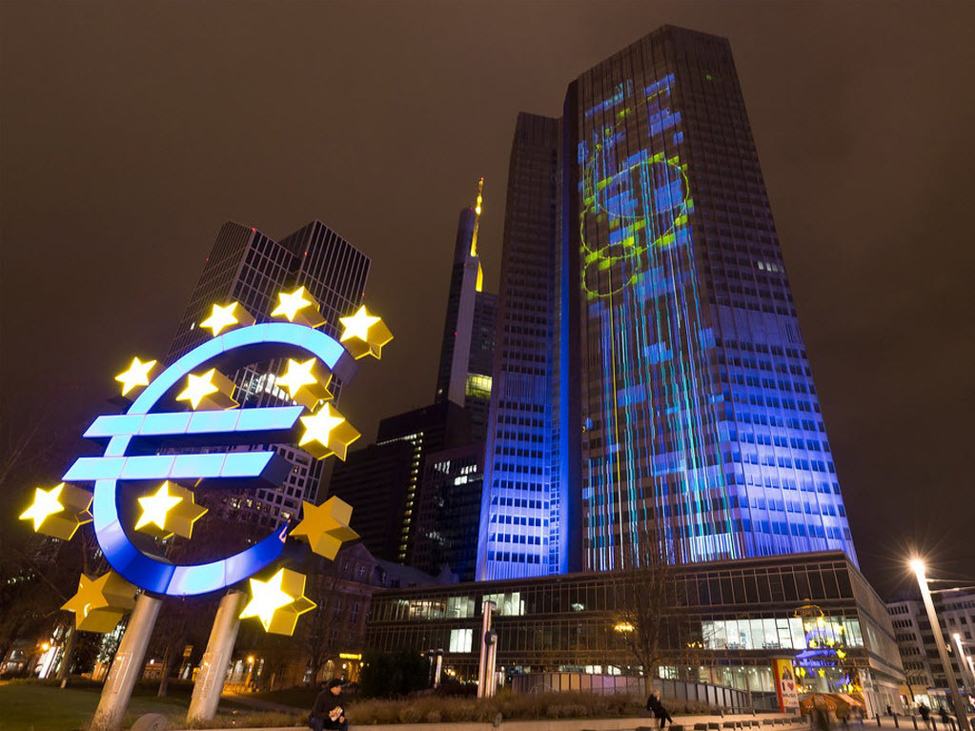
I don’t envy being in the ECB’s position right now. The central bank already had to pause on rate cuts during the summer last year as inflation pressures stopped easing, especially in Germany. A modest economic rebound in the final quarter of last year helped to vindicate their decision to do so but now, everything feels like it is thrown out the window.As the Middle East conflict drags on, the disruption to the energy market and surging oil and gas prices are major issues for the European economy. The immediate impact is on the inflation front, which we are already seeing early signs of that. But the next part, will be the kind of economic hit and demand destruction that higher energy prices will cause on households.So, is the ECB supposed to proceed with a straightforward response of raising key interest rates? That so as to avoid inflation expectations from de-anchoring and to show that they are “doing something” about the whole situation.Well, it’s not that simple. As mentioned before, what I don’t like about this is that monetary policy is ill-equipped to tackle a supply shock and/or negative demand shock.If the war drags on for another month or two, what exactly does a rate hike by the ECB do? It isn’t going to resolve tensions between the US and Iran. And it sure isn’t going to help reopen the Strait of Hormuz or end the disruption to key energy facilities in the Gulf region.As such, the main thing that policymakers are hoping for is to buy enough time so that they can get better clarity to deal with the situation. And also allow themselves more optionality and flexibility in assessing the inflation outlook. But how long can they really wait for?The main issue now is that there is a suggestion that the ECB has to try and do something regardless and that’s already baked into market pricing for rate hikes. Traders are pricing in ~80 bps of rate hikes by the ECB by year-end now.So, what happens when the ECB does not deliver on that?The thing is that markets have already tightened financial conditions on behalf of the ECB. And if they walk back on that or delay things further, we should see a loosening of those conditions instead.And as mentioned earlier this week:”Credibility concerns aside, this is a potentially dangerous situation as it risks inflation running away especially if we start to see second-round effects come into play. That particular risk is what central banks are very much afraid of, even if the Middle East conflict is to end today.”There’s a fine balance to be had as such.And adding to the difficulty in navigating the situation, let’s be reminded that the ECB has already brought the deposit facility rate to 2.00%. That is around the middle of their supposed neutral estimate of 1.75% to 2.25%.So, what exactly does 50 bps of rate hikes do in this instance? By their interpretation, that brings interest rates back to just marginally restrictive territory at best. Is that really enough to bring inflation back down especially with the risk of second-round effects coming in?As we saw with the Russia-Ukraine crisis, it’s going to take much more than that. And therein lies another set of risks if the ECB moves too slowly to act.Even if not being very clear at the moment, it must be said that one policy misstep is enough to send the economy on a recession spiral or if not an inflation one. And that’s a very, very tough position to be in.
This article was written by Justin Low at investinglive.com.
💡 DMK Insight
The ECB’s struggle with inflation and economic growth is a critical watchpoint for traders right now. With inflation pressures still high, particularly in Germany, the central bank’s decision to pause rate cuts signals a cautious approach that could impact the euro and related assets. If inflation remains stubborn, the ECB may have to reconsider its stance, which could lead to volatility in the forex markets, especially against the dollar. Traders should keep an eye on upcoming economic data releases from the Eurozone, as these will likely influence ECB policy and market sentiment. Here’s the kicker: if the ECB signals a more hawkish tone in response to persistent inflation, we could see the euro strengthen against the dollar, especially if U.S. economic indicators show signs of slowing. Conversely, any indication of a dovish shift could weaken the euro, creating potential trading opportunities. Watch for key inflation reports and ECB communications in the coming weeks, as they will be pivotal in shaping market expectations and positioning.
📮 Takeaway
Monitor ECB communications and Eurozone inflation data closely; a hawkish shift could strengthen the euro against the dollar.