Bitcoin
  Ethereum
  Tether
  XRP
XRP  BNB
BNB  USDC
USDC  Solana
  TRON
TRON  Lido Staked Ether
  Figure Heloc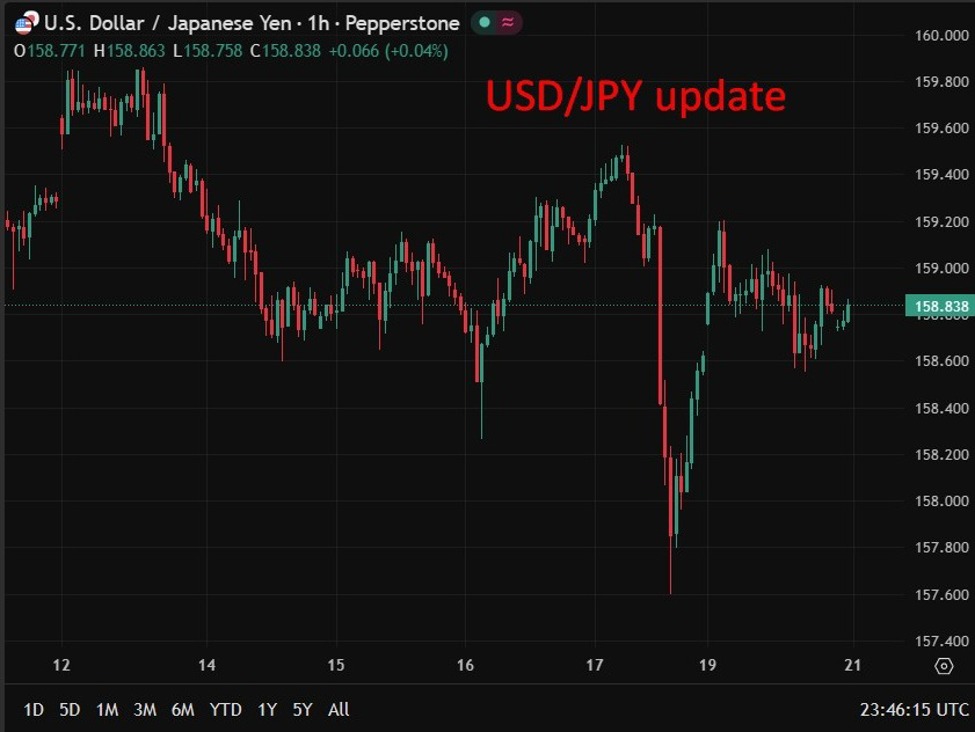
BOJ is likely to hold rates in April amid Middle East uncertainty, Reuters reports, but signal readiness to hike as soon as June as inflation rises and growth risks increase.Summary:BOJ seen holding rates in April amid Middle East uncertainty
Decision viewed as close call, dependent on geopolitics
Market pricing for April hike drops below 20%
Bank likely to retain hawkish bias, eye June hike
Growth forecasts seen lowered, inflation projections raised
Energy shock complicates policy pathThe Bank of Japan is increasingly likely to hold interest rates steady at its upcoming April meeting, according to sources familiar with its thinking, as policymakers assess the fallout from the ongoing Middle East conflict, Reuters reports.Officials are said to view the decision as a close call, with the outcome still dependent on developments in US-Iran negotiations and broader geopolitical conditions. However, the balance of opinion within the Bank appears to favour a pause, allowing more time to evaluate the economic and inflation impact of elevated energy prices and heightened uncertainty.The shift reflects a move away from earlier expectations of a near-term rate hike. Market pricing for an April increase has declined sharply, falling below 20% following cautious remarks from Governor Kazuo Ueda, who emphasised the importance of monitoring the scale and duration of the energy shock.Despite the likely pause, the Bank is expected to maintain a hawkish bias. Sources indicate the BOJ will signal its readiness to resume rate hikes as early as June, particularly as inflationary pressures build. Oil price gains linked to the conflict are pushing up import costs in Japan, complicating the policy outlook for an economy heavily reliant on external energy supply.At the same time, the BOJ is expected to revise down its growth forecasts while lifting its inflation projections in its upcoming quarterly outlook report. While the central bank still sees the economy on track for a moderate recovery, risks to activity have increased, particularly through the impact on manufacturing and household costs.With policy rates still below estimated neutral levels and real rates deeply negative, the case for further tightening remains intact. However, the timing has become more uncertain as policymakers balance rising inflation risks against a fragile growth backdrop.—A hawkish hold is broadly neutral for rates but supportive for JPY in the near term if guidance leans toward June tightening. However, delaying hikes risks renewed yen weakness, particularly if global yields remain elevated. The balance of risks keeps JGB yields biased higher while FX remains sensitive to energy-driven inflation dynamics.
This article was written by Eamonn Sheridan at investinglive.com.
💡 DMK Insight
The BOJ’s potential rate hold in April amidst geopolitical tensions is a pivotal moment for traders. With inflation pressures mounting and growth risks on the rise, the central bank’s readiness to hike rates as early as June could shift market dynamics significantly. Traders should keep an eye on how this decision plays into the broader context of global monetary policy, especially with the Fed’s stance and the ECB’s moves. If the BOJ signals a more hawkish outlook, it could strengthen the yen and impact related assets like Japanese equities and commodities. Watch for key levels in USD/JPY; a break below recent support could indicate a stronger yen, while resistance above could suggest continued dollar strength. The geopolitical backdrop adds an extra layer of volatility, making it crucial to monitor developments closely. Here’s the thing: while many might expect a straightforward hold, the BOJ’s language and any hints of future hikes could create unexpected market reactions. Keep your eyes peeled for any shifts in sentiment, especially in the lead-up to the June meeting.
📮 Takeaway
Watch for BOJ’s signals in April; a hawkish tone could strengthen the yen and impact USD/JPY levels significantly.